
Plants
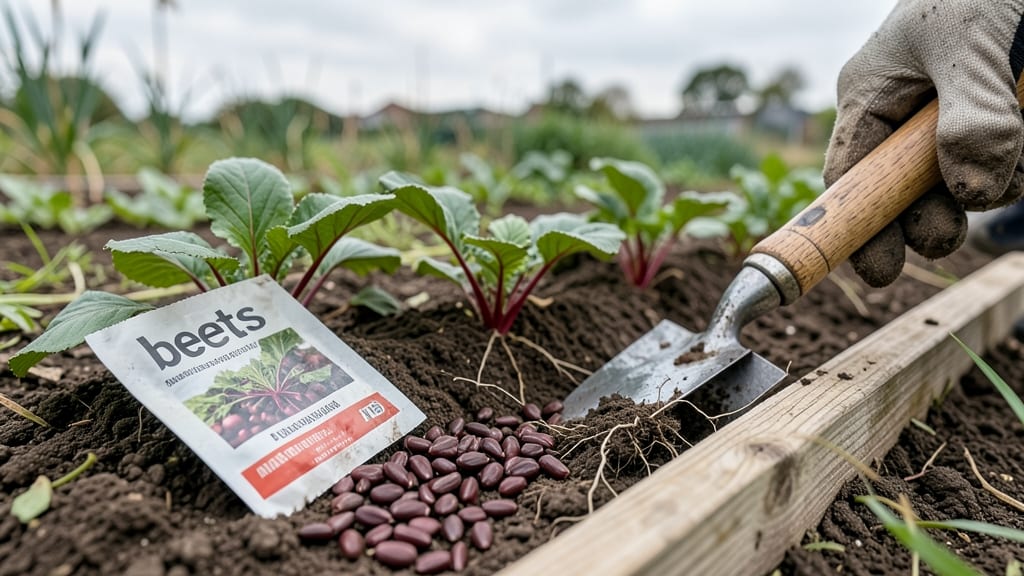
Timing your beet 🍠 planting in Utah isn’t just about following a calendar—it’s about beating the state’s unpredictable frost and high-altitude quirks. Plant too early, and you’ll risk stunted growth or bolting before harvest; too late, and you’ll miss the sweetest roots of the season.
The key is knowing when soil warms enough in zones 5-7 to give these hardy veggies the perfect start.
Most Utah gardeners swear by two windows: the early spring rush of March-April and the cooler fall stretch of August-September. But with Utah’s dramatic temperature swings—especially at higher elevations—your exact timing might need tweaking.
Whether you’re in Salt Lake City’s valleys or St. George’s desert, I’ll break down the high-altitude schedule that actually works for consistent harvests.
Beyond dates, Utah’s alkaline soil and dry spells can sabotage even the best-laid plans. You’ll learn how to prep your soil for beet success, space seeds correctly, and protect young plants from unexpected late frosts.
Plus, I’ll share Utah-friendly varieties that thrive despite the challenges—because nobody wants to wait 70 days for a harvest that might never come.
Ready to grow beets that are sweet, plentiful, and ready by May-June or October-November? Let’s dive into the exact steps that’ll turn your Utah garden into a beet bonanza—no guesswork required.
Utah’s best planting windows for beets: high-altitude timeline
Utah’s high-altitude climate and variable frost dates mean your beet planting schedule must account for USDA Zones 5-7 and microclimates like Salt Lake City’s 4,200-foot elevation versus St. George’s desert lowlands.
Unlike coastal regions, Utah’s cool nights and hot days demand precise timing to avoid bolting or frost damage.
Beets thrive when soil temperatures reach 45°F—a threshold Utah typically hits in late March to early April in most areas. However, St. George’s warmer climate allows for 2-3 weeks earlier planting, while northern Utah’s higher elevations may need to wait until mid-April.
Here’s how to align your planting with Utah’s three key windows: spring, summer, and fall. Each offers distinct advantages for maximizing your harvest.
| Planting Window | Ideal Months (Utah) | Soil Temp Requirement | Days to Harvest | Utah-Specific Tips |
|---|---|---|---|---|
| Spring | March–April | 45°F+ | 55–70 days | Use row covers for early March plantings in northern Utah. |
| Summer | August (late) | 50°F+ | 45–55 days | Plant heat-tolerant varieties like ‘Detroit Dark Red’ to avoid bolting. |
| Fall | September | 50°F+ | 50–60 days | Mulch heavily to protect from early frosts (common by mid-October). |
For Salt Lake City and Ogden, aim for March 15–April 15 for spring plantings, with a second window in late August to avoid summer bolting. In St. George, you can start as early as February 20 and enjoy a longer harvest window thanks to milder winters.
Utah’s alkaline soil (pH 7.5–8.5) can stunt beet growth, so amend beds with compost or sulfur to lower pH to 6.0–7.0. Test your soil in early spring to give roots the best start.
Pro tip: Use succession planting every 2 weeks in spring and fall to ensure a continuous harvest. For example, sow March 1, March 15, and April 1 for a staggered yield through June.
If you’re in Zone 6 or higher (common in northern Utah), consider cold-hardy varieties like ‘Early Wonder Tall Top' for early spring or ‘Golden’ for fall harvests. These tolerate light frosts and short daylight better than standard types.
Remember, Utah’s unpredictable weather means monitoring frost forecasts is key. The National Weather Service provides localized alerts—bookmark their site for real-time updates during planting season.
By aligning your beet schedule with these high-altitude windows, you’ll avoid the two biggest Utah gardening pitfalls: bolting from heat stress and frost damage. With the right timing, you’ll enjoy sweet, tender beets from May through November.
How to extend your beet harvest season in Utah’s climate
Utah’s short growing season and unpredictable frost patterns can make beet harvesting feel like a high-stakes gamble. But with the right strategies, you can enjoy fresh beets from late spring through fall. The key? Succession planting, cold-hardy varieties, and smart protective measures.
Start by choosing bolting-resistant varieties like 'Detroit Dark Red' or 'Golden', which handle Utah’s heat better. These varieties also mature faster, giving you more harvest windows. For example, 'Babybeat' can be ready in just 45 days, perfect for quick succession plantings.
Here’s how I extend my harvest season in Utah’s climate:
Plant beets every 2-3 weeks from March to August. This ensures a steady supply of fresh roots even as older plants mature. For example, my first planting in mid-March yields harvests by May, while a late-July planting gives me fall beets.
Opt for varieties like 'Chioggia' or 'Cylindra', which tolerate cooler temperatures. These can handle Utah’s late-spring frosts better than heat-sensitive types, extending your early harvest window by 2-3 weeks.
Use floating row covers to protect seedlings from late-spring frosts (common in Salt Lake City) or extend fall harvests. I’ve added covers in early May and late September to push my harvest season by 4-6 weeks on either end.
Apply 2-3 inches of straw mulch around plants to regulate soil temperature. This prevents bolting from heat stress in summer and keeps roots edible longer. Mulch also suppresses weeds, reducing competition for nutrients.
For fall harvests, sow seeds by mid-August in northern Utah or early September in St. George. Aim for roots to mature before first frost (mid-October). I’ve had success with 'Early Wonder', which matures in 50 days.
Don’t forget to harvest regularly—beets left in the ground too long become woody. Thin seedlings to 2-3 inches apart to prevent overcrowding, which stresses plants and reduces yield. In Utah’s dry climate, drip irrigation keeps soil consistently moist without wasting water.
With these strategies, I’ve stretched my beet harvest from May to November, even in Utah’s challenging climate. The secret? Adaptability—watch your plants, adjust timing, and protect them from Utah’s unpredictable weather swings. 🌱