
Plants
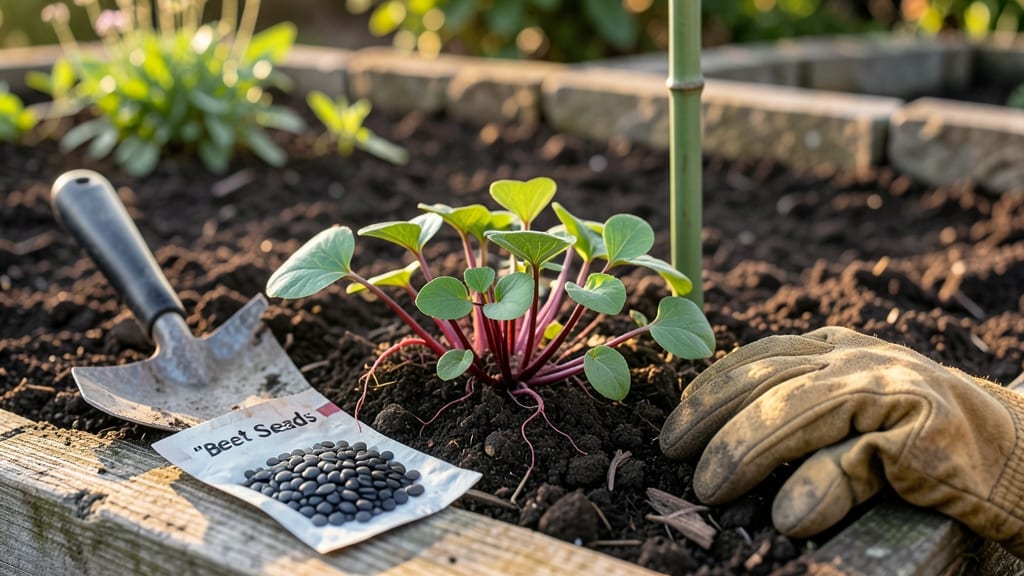
Timing your beet planting in Seattle wrong could mean bitter, woody roots instead of the sweet, tender 🍠 harvest you’re after—but get it right, and you’ll enjoy fresh beets from spring through fall.
The city’s coastal fog and inland heat pockets create a tricky balance, forcing gardeners to adjust planting schedules by as much as 6 weeks depending on where they live.
Most Seattle gardeners swear by early spring plantings in March, when soil temperatures finally climb above 40°F, but coastal areas near Puget Sound can wait until April to avoid bolting.
Meanwhile, inland spots like Redmond might push planting into May for better success. The key? Understanding your microclimate and choosing varieties that match your growing season.
In this guide, I’ll break down the exact windows for coastal vs. inland Seattle, plus soil prep tricks to handle our famously damp conditions. You’ll also learn how to stretch your harvest with succession planting—because why stop at one batch when you can enjoy beets all season long?
Ready to grow the best beets Seattle has to offer? Let’s dive into the timing secrets that’ll keep your garden producing sweet, juicy roots from May through October.
Seattle beet planting calendar: coastal vs inland timing to avoid bolting
Seattle’s microclimates create dramatic differences between coastal areas like Bainbridge Island and inland zones like Redmond. Coastal regions stay cooler and wetter, while inland spots can hit 90°F+ by July—both extremes demand precise beet planting timing to avoid bolting (premature flowering).
Let’s break down the optimal planting windows for each zone, including soil temperature triggers and heat-tolerant variety picks.
For coastal Seattle (e.g., West Seattle, Shoreline), your last frost date is typically March 15, but chilly soils delay germination. Start seeds indoors in early February or direct-sow outdoors in late February to early March.
Inland areas (e.g., Kirkland, Bellevue) can plant 2-3 weeks earlier thanks to warmer soils. Soil temperature must reach 45°F+ for reliable germination—use a soil thermometer if unsure.
Here’s where variety selection becomes critical. Coastal gardeners should prioritize cold-hardy types like ‘Detroit Dark Red’ or ‘Golden’, while inland growers need heat-tolerant varieties such as ‘Ruby Queen’ or ‘Boltardy’.
The latter resists bolting even when days stretch past 14 hours of daylight—common by late June in Seattle.
Your second planting window opens in late July to early August for a fall harvest. Coastal areas can extend this until mid-August, but avoid planting after August 15 inland, as beet roots struggle to mature before first frost (November 15).
For both zones, succession planting every 2 weeks ensures a steady supply.
🌱
Seattle’s Pacific Northwest rain means soil prep is just as critical as timing. Before planting, amend your beds with 2–3 inches of compost to improve drainage—beets hate soggy roots.
Inland soils often need extra organic matter to retain moisture during summer dry spells. Test your soil’s pH (6.0–7.0 ideal) and adjust with lime or sulfur if needed.
For coastal gardeners, focus on early spring plantings (February–March) and late summer succession (August). Use row covers if nights dip below 40°F to protect tender seedlings. Inland growers should prioritize shade cloth (30–50%) during June–July to prevent bolting—even Boltardy varieties struggle in 95°F+ heat.
Harvest timing varies by planting date: Spring beets (March) are ready by late May–June, while fall plantings (August) should harvest by October 15 before frost.
Always pull beets when roots reach 1–3 inches—larger roots become woody and tough. Don’t wait too long in Seattle’s damp climate, or you’ll risk rot.
🌿
How to extend beet season in Seattle: succession planting and cold protection hacks
Seattle’s mild coastal winters and cool summers create a unique opportunity to grow beets almost year-round. The key? Strategic succession planting and smart cold protection to avoid bolting during temperature swings.
With the right approach, you can enjoy fresh beets from early spring through late fall—even when neighbors are giving up.
Start by focusing on two critical windows: late winter/early spring and late summer. These periods offer the best balance of soil warmth and daylight length for consistent harvests.
For example, planting Detroit Dark Red in February gives you early spring harvests, while Boltardy varieties planted in August thrive through fall’s cooler temps.
Here’s how to maximize your beet season without risking bolting or frost damage:
- 📅 Plant every 2 weeks from March to July for continuous harvests. Use succession planting to fill gaps between crops.
- ❄️ Protect seedlings with row covers or cold frames when night temps drop below 40°F. This buys you 2-3 extra weeks of growing time in spring/fall.
- ☀️ Use shade cloth (30-50%) during summer heatwaves to prevent bolting. Even 75°F soil temps can trigger premature flowering.
- 🌿 Choose bolt-resistant varieties like ‘Cylindra’ or ‘Golden’ for extended seasons. These handle longer daylight better than standard types.
- 💧 Mulch heavily with straw or leaves to regulate soil temps. This prevents bolting from heat stress and keeps roots cool in summer.
For winter harvests, focus on cold-hardy varieties like ‘Chioggia’ or ‘Albina Vereduna’. These can tolerate light frosts and even grow under row covers through December. Just remember: beets need 50-60 days to mature, so time your last planting for a September harvest before winter slows growth.
One common mistake? Assuming all beets are created equal. Day-length sensitive varieties (like ‘Detroit’) bolt faster in Seattle’s long summer days, while short-day types (like ‘Boltardy’) stay productive longer. Always check seed packets for day-neutral labels if extending your season.
With these strategies, you’ll turn Seattle’s unpredictable climate into an advantage. Soon, your garden will be the envy of the neighborhood—producing sweet, tender beets when others are still dreaming of harvest. 🌱