
Plants
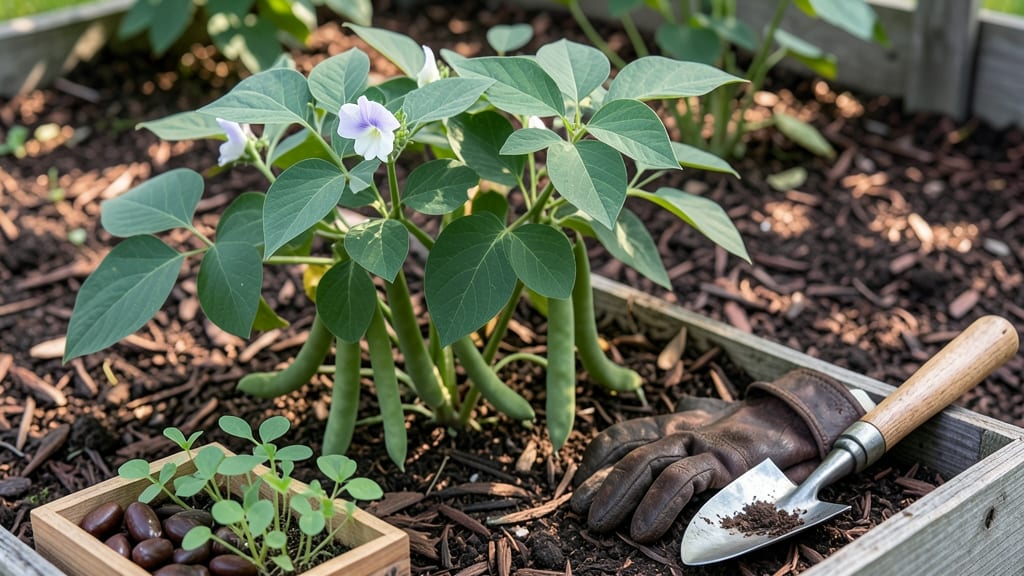
Timing your bean planting in Zone 8 is the secret to avoiding bitter, stringy pods and bolting plants—get it wrong, and you’ll waste your entire growing season.
With last frost dates hovering around March 15 and first frosts in mid-November, you’ve got a narrow window to plant 🌱 beans twice: once in spring and again in fall.
Most gardeners in Zone 8 focus on spring planting, but the real trick is knowing when soil temperatures hit that sweet spot of 60°F—too early, and your beans will bolt before producing pods.
Meanwhile, fall planting offers a second chance for harvests, but it requires careful variety selection and microclimate awareness.
Whether you’re a first-time gardener or a seasoned pro, I’ll break down the exact planting windows, soil temperature tips, and variety choices that keep your beans thriving from June through November. No more guesswork—just a foolproof plan for your Zone 8 garden.
Ready to master the art of bean timing? Let’s dive into the strategies that’ll give you a steady supply of fresh, tender beans all season long.
Optimal planting windows for beans in Zone 8 (spring vs fall)
In Zone 8, beans thrive when planted during two distinct windows: early spring (after last frost) and late summer (for fall harvests). The key is avoiding cold soil (below 60°F) and late-season heat, which both trigger bolting—when plants flower prematurely without producing pods.
Let’s break down the best timing for your region.
For spring planting, aim for March 15 to April 30—once soil temperatures consistently stay above 60°F. Coastal Zone 8 areas (like Southern California) can start as early as February, while inland zones (e.g., Arizona deserts) may wait until late April.
Always check your last frost date (typically March 15 in most of Zone 8) and plant 2 weeks after to be safe.
Fall planting offers a second harvest window: August 1 to September 15. This aligns with cooler temperatures and shorter daylight, reducing bolting risk. However, avoid planting after September 15, as days grow too short for beans to mature before first frost (usually November 15).
| Planting Window | Ideal Soil Temp | Microclimate Notes | Risk of Bolting |
|---|---|---|---|
| Spring: March 15–April 30 | 60°F+ (consistently) | Coastal: Start Feb 15; Inland: Wait until late April | High if planted too early (cold soil) |
| Fall: August 1–September 15 | 65°F+ (daytime) | Avoid high-desert areas (cooler nights needed) | Low if planted before Sept 15 |
🌱 Pro Tip: Use a soil thermometer to confirm temps before planting!
Direct-sowing is best for beans—transplants struggle with root shock and often bolt faster. If you’re using starter plants, harden them off for 7–10 days before transplanting into well-drained soil with compost.
Space seeds 3–4 inches apart in rows 18–24 inches apart for bush beans or 6–8 inches apart for pole beans (with trellises).
Zone 8’s long growing season (up to 270 frost-free days) lets you try succession planting. Sow new seeds every 2 weeks from April to July for a continuous harvest.
For example, plant one batch in April, another in May, and a final one in June to stretch your harvest until October.
Watch for heat waves after planting—temperatures above 85°F can stress beans. Use shade cloth (30–50%) during peak afternoon sun if your area hits 90°F+. Mulch with straw or grass clippings to keep soil cool and moist, which also deters weeds and retains 1–2 inches of water per week.
For pole beans, install trellises or T-posts at planting time to save space and improve air circulation. This reduces fungal diseases like rust, which thrive in Zone 8’s humid summers. Prune suckers regularly to focus energy on pod production rather than excessive foliage.
Remember: Bean seeds germinate best at 70–85°F. If your spring soil is cooler than 60°F, wait or use black plastic mulch to warm it faster. In fall, prioritize heat-tolerant varieties like ‘Christmas Limas’ or ‘Scarlet Runner’ to handle late-summer warmth.
By following these Zone 8-specific timelines, you’ll avoid bolting, maximize yields, and enjoy fresh green beans from June to November—with minimal fuss. Happy planting! 🌿
Optimal planting windows for beans in Zone 8 (spring vs fall)
Zone 8 gardeners have a unique advantage with beans—they can grow them in both spring and fall, but timing is everything. The key is planting when soil temperatures stay above 60°F and nighttime temps remain above 50°F.
Too early, and beans bolt; too late, and you risk heat stress or early frost.
For spring planting, aim for 2-4 weeks after your last frost date, typically mid-March to early May in Zone 8. Coastal areas may start slightly earlier, while inland regions should wait until soil warms fully.
Fall plantings should happen 8-10 weeks before first frost, usually late August to early September.
Soil temperature is your best guide. Use a soil thermometer to confirm 60°F+ at 2-inch depth before planting. If temps fluctuate, opt for shade cloth or wait until conditions stabilize. Remember, beans are warm-season crops—they won’t tolerate cold soil.
🌱 Spring vs. Fall Planting Comparison
| Factor | Spring Planting | Fall Planting |
|---|---|---|
| Best Time | Mid-March to early May | Late August to early September |
| Soil Temp | 60°F+ at 2" | 60°F+ at 2" |
| Frost Risk | Low after last frost | High before first frost |
| Harvest Window | June–July | October–November |
| Best Varieties | Early-maturing (e.g., Blue Lake) | Heat-tolerant (e.g., Black Valentine) |
Direct-sowing is ideal for beans—they dislike transplant shock. Plant seeds 1 inch deep, 2-3 inches apart, with rows 18-24 inches apart. For pole beans, add trellises at planting. If using starter plants, harden them off for 5-7 days before transplanting to avoid stress.
Extend your harvest by succession planting every 2 weeks in spring and fall. Choose short-season varieties for early spring or late fall to beat the heat or frost. Mulch with straw or grass clippings to keep soil temps stable and moisture consistent.
Pro tip: Monitor your local microclimate. Urban areas may stay warmer longer, while rural spots cool faster. Adjust planting dates by 1-2 weeks based on your specific conditions. With the right timing, you’ll enjoy fresh beans for 3+ months in Zone 8!