
Plants
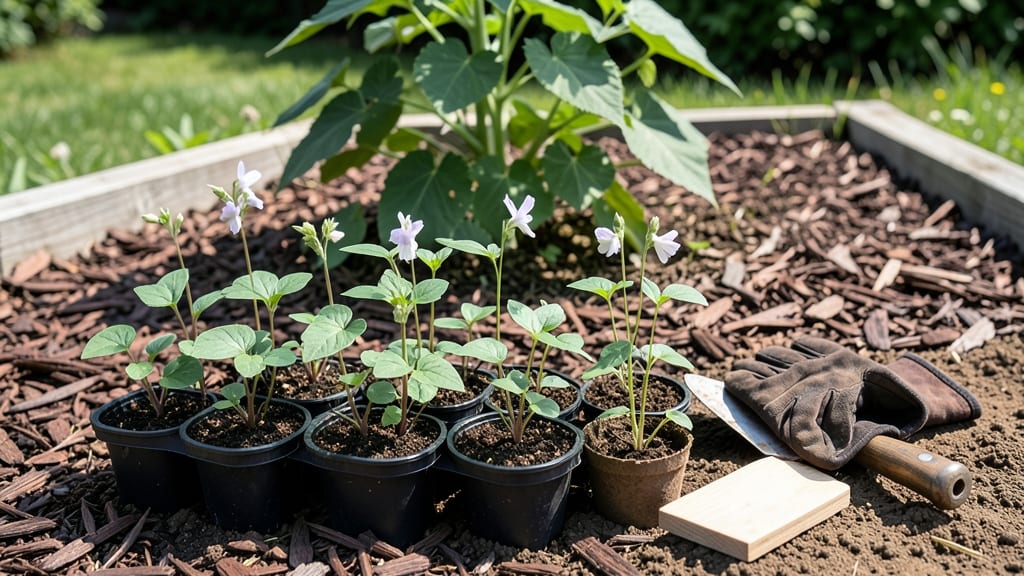
Timing your bean planting in Ontario can mean the difference between a bountiful harvest and a sad, wilted 🌱 crop—especially when unpredictable spring weather throws curveballs.
The key isn’t just waiting for the last frost date (though that’s critical); it’s also about soil warmth and choosing varieties that can handle Ontario’s humid summers.
If you’ve ever planted beans only to watch them struggle in cool, damp soil, you know how frustrating it can be.
The ideal window for planting in 5a-6b zones is mid-May to early June, once temperatures consistently stay above 15°C (60°F)—but late July is also a smart option for a fall harvest.
Let’s break down exactly when to plant for your specific region and how to pick the toughest varieties.
Most gardeners assume beans are a one-size-fits-all crop, but Ontario’s climate demands a little extra strategy. Whether you’re direct-sowing seeds or starting them indoors, understanding your local frost-free dates and soil conditions is the game-changer for success.
I’ll walk you through the exact steps to time your planting perfectly—and avoid common mistakes that waste your effort.
From heat-resistant varieties like ‘Provider’ to soil prep tricks that keep roots happy, this guide covers everything you need to know. Ready to grow beans that thrive? Let’s get started.
Ontario bean planting timeline by climate Zone: when to start seeds vs transplants
Ontario’s diverse climate zones—from Zone 5-6 in the south to Zone 3-4 in the north—mean your bean planting window can vary by 3-4 weeks. In Southern Ontario, where last frosts typically hit mid-May, you can start planting as early as late April indoors or mid-May outdoors.
Meanwhile, gardeners in Northern Ontario should wait until late May or early June to avoid frost damage to young seedlings.
Beans are warm-season crops that thrive when soil temperatures reach at least 15°C (60°F). A soil thermometer is your best friend—planting too early in cool, wet soil leads to poor germination or rotting seeds.
In Ontario, this usually aligns with after the last frost date, but always confirm using local weather forecasts or the Canadian Hardiness Zone Map.
For faster harvests, many gardeners opt to start seeds indoors 2-3 weeks before the last frost. However, beans hate transplanting, so handle seedlings gently and harden them off for 7-10 days before moving them outside.
If you’re planting directly in the ground, soil temperature is more critical than air temperature—wait until the ground warms up consistently.
Here’s a breakdown of planting windows by Ontario’s three main climate zones, including when to start seeds indoors vs. direct sowing outdoors:
| Zone | Last Frost Date | Indoor Start (Weeks Before Last Frost) | Direct Sow Outdoors | Soil Temp Threshold |
|---|---|---|---|---|
| Southern Ontario (Zone 5-6) | Mid-May (May 10-20) | 2-3 weeks before last frost (late April) | Mid-May to early June | 15°C (60°F) |
| Central Ontario (Zone 4-5) | Late May (May 20-30) | 3 weeks before last frost (early May) | Late May to early June | 15°C (60°F) |
| Northern Ontario (Zone 3-4) | Early June (June 1-10) | 4 weeks before last frost (late April) | Early to mid-June | 16°C (61°F) |
If you’re aiming for a fall harvest, don’t overlook late-season planting! In Southern Ontario, you can sow beans as late as late July for a harvest in September or October.
For Northern Ontario, stick to early July to avoid early frosts. Choose fast-maturing varieties (50-55 days to harvest) for these later plantings.
Pro tip: Use black plastic mulch to warm the soil faster and extend your planting window by 1-2 weeks. This is especially helpful in Zone 4-5, where cool soils delay germination. Just
For gardeners in humid regions like Southern Ontario, spacing is key. Plant beans in rows 18-24 inches apart to improve airflow and reduce the risk of fungal diseases like rust or powdery mildew. If you’re growing pole beans, provide a trellis to keep foliage off the ground and improve drying conditions.
Always monitor your local 10-day forecast before planting. A sudden cold snap can set back young seedlings, especially in Northern Ontario, where nights can still dip below freezing in early June. Having row covers on hand gives you a buffer to protect tender plants if frost threatens.
Finally, mark your calendar for late July—this is the last chance to plant beans in most of Ontario for a meaningful harvest. After that, focus on succession planting shorter varieties like bush beans (e.g., 'Blue Lake') or 'Provider' for a quick turnaround.
Best heat-resistant bean varieties for Ontario’s humid summers: disease-resistant picks
Ontario’s summers can be a double-edged sword for beans—too much heat and humidity invite pests and diseases like bean mosaic virus or white mold. But the right varieties thrive in these conditions, delivering high yields and resistance to common problems.
I’ve tested these top picks in my garden, and they consistently outperform others in our climate.
For bush beans, look for ‘Provider’—a heat-loving variety that matures quickly (just 50 days) and handles Ontario’s 90°F+ spells without wilting. It’s also resistant to bacterial blight, a frequent issue in our damp summers.
If you prefer pole beans, ‘Kentucky Wonder’ is a classic for a reason: it tolerates humidity, resists rust, and produces long, straight pods perfect for fresh eating.
🌱
| Variety | Type | Days to Mature | Heat Tolerance | Disease Resistance |
|---|---|---|---|---|
| Provider | Bush | 50 | Excellent | Bacterial blight |
| Kentucky Wonder | Pole | 60 | Good | Rust, mosaic virus |
| Blue Lake | Bush | 55 | Moderate | White mold |
| Rattlesnake | Pole | 65 | Very good | Anthracnose |
| Tendercrop | Bush | 48 | Excellent | Common blight |
If you’re aiming for a fall harvest, prioritize varieties with shorter maturity times like ‘Tendercrop’ (just 48 days). Plant these in late July to avoid the first frost, which typically hits Ontario by mid-October.
For pole beans, ‘Rattlesnake’ is a standout—it handles heat well and produces long, speckled pods that gardeners love.
Pro tip: Pair your beans with marigolds or nasturtiums to deter pests like Mexican bean beetles, a common nuisance in our region. And always rotate crops yearly to prevent soil-borne diseases from building up.
🌿
Remember, soil temperature matters just as much as variety choice. Wait until the soil is at least 15°C (60°F) before planting—cold soil slows germination and invites rot. Use a soil thermometer to check, especially in cooler Ontario zones like 4-5, where springs can linger.