
Plants
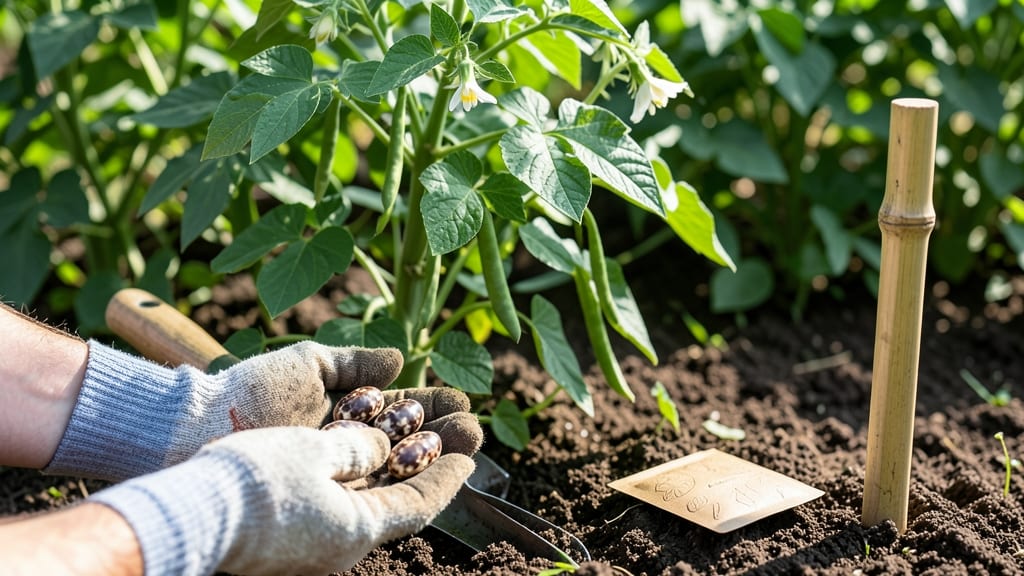
Kentucky bean planting timeline: frost dates, soil temperature & variety-specific windows
Kentucky’s USDA Zones 6a-7b mean your bean planting window hinges on two critical factors: soil temperature and last frost dates. Most regions see their final frost around April 1, but soil warmth lags behind—wait until it hits 60-65°F (about mid-April to early May) before planting.
This timing ensures your seeds germinate quickly rather than rotting in cold, damp soil.
For bush beans, which mature faster (50-60 days), aim to plant between April 15 and May 1. Pole beans, with their longer growing season (60-70 days), can handle slightly later starts—try May 1-15—but need sturdy trellises to support their 4-6 foot vines.
Heat-tolerant varieties like ‘Kentucky Wonder’ or ‘Blue Lake’ thrive in Kentucky’s summer heat, giving you harvests through September.
Pro tip: Use a soil thermometer to confirm warmth before planting. If your soil runs cooler, try black plastic mulch to raise temperatures by 5-10°F and speed up germination. This is especially helpful in Kentucky’s higher elevations, where frost lingers longer.
🌱 Kentucky Bean Planting Summary Table
| Stage | Action | Notes |
|---|---|---|
| Soil Prep | Test pH (6.0-7.0), add compost | Beans need phosphorus for roots |
| Planting Window | April 15-May 15 (bush); May 1-15 (pole) | After last frost, soil 60-65°F |
| Depth | 1 inch deep, 2-3 inches apart | Thin seedlings to 4-6 inches apart |
| Harvest Time | July-September (50-70 days) | Pick every 2-3 days for best flavor |
| Late Planting | June 15 (fast varieties only) | Use row covers for frost protection |
📅 Key Dates: Last frost (April 1), Ideal planting (April 15-May 15), First frost (October 15)
If you’re eager to start earlier, try cold-hardy varieties like ‘Contender’ or ‘Provider’, which can tolerate 50°F soil but may take longer to mature. For pole beans, plant near a south-facing fence or trellis to maximize sunlight exposure—Kentucky’s summer afternoons can scorch leaves if plants are shaded.
Remember: Succession planting is your secret weapon. By staggering plantings every 2-3 weeks through June 15, you’ll enjoy a continuous harvest instead of one big rush. Just avoid planting after July 1, as beans need 60+ days to mature before Kentucky’s first frost (mid-October).
For organic gardeners, mix composted manure into the soil before planting to boost nitrogen levels. Beans are nitrogen-fixers, but they still benefit from a balanced fertilizer (5-10-10) applied 4-6 weeks after germination. Avoid over-fertilizing with nitrogen, though—it promotes leafy growth at the expense of pod production.
Watch for soil moisture during Kentucky’s dry spells (common in June-Julyconsistently moist but not waterlogged—beans hate soggy roots. Mulch with straw or grass clippings to retain moisture and suppress weeds, which compete for nutrients.
Finally, mark your calendar for July 4th weekend—this is prime time for pole bean trellises to reach their full height. If you live in northern Kentucky (Zone 6a), err on the side of later planting (after May 15June plantings of fast varieties like ‘Blue Lake Bush’.
With these timelines and tips, you’ll avoid the #1 Kentucky bean mistake: planting too early and watching your seeds rot in cold soil. Instead, you’ll enjoy bushels of fresh beans from July through September—just in time for canning or freezing for winter meals. 🌱
How to extend your Kentucky bean harvest: succession planting & late-season tips
If you’ve ever planted beans once and wondered why your harvest vanished by August, you’re not alone. Kentucky’s short growing season and late summer heat can leave gaps in your bean supply—but succession planting is the secret to a steady stream of fresh pods from June through September.
By spacing out your plantings every 2-3 weeks, you’ll ensure continuous harvests instead of a single peak.
Start your first batch 2-3 weeks after your last frost date (typically mid-April in Kentucky). Then, repeat plantings every 10-14 days until early July. This staggered approach works especially well for fast-maturing varieties like ‘Blue Lake’ (55 days) or ‘Contender’ (50 days), which thrive in Kentucky’s heat without sacrificing yield.
For pole beans like ‘Kentucky Wonder’, which take longer (60-70 days), focus on early and mid-season plantings.
🌱
- Planting 1: April 15-30 (after last frost, soil at 60°F+)
- Planting 2: May 10-20 (for early summer harvest)
- Planting 3: June 1-15 (extends harvest into August)
- Planting 4 (optional): July 1-10 (heat-tolerant varieties only)
Heat stress is your biggest enemy in late-season plantings, but row covers and shade cloth (30-50%) can buy you extra weeks of growth. For July plantings, opt for heat-tolerant varieties like ‘Henderson’ or ‘Rattlesnake’—these handle Kentucky’s 90°F+ spells better than standard types.
Always water deeply in the early morning to prevent wilting, and mulch with straw to retain moisture and cool roots.
Don’t overlook container gardening for late-season beans! Grow bush beans in 5-gallon pots on a sunny patio or balcony—this lets you plant as late as mid-July without risking soil-borne diseases common in garden beds.
Just ensure pots have drainage holes and use a lightweight potting mix to avoid root rot in Kentucky’s humid summers.
Pro tip: Mark your calendar for a second harvest window in late August. If you’ve got leftover seeds, try a quick-soak method (soak seeds in warm water for 12 hours) to jumpstart germination for a final planting.
Just be ready to harvest by mid-October before Kentucky’s first frost (around October 15) cuts the season short.
With these strategies, you’ll turn Kentucky’s short growing season into a long, productive bean harvest—no more sad, empty vines by August! 🌿