
Plants
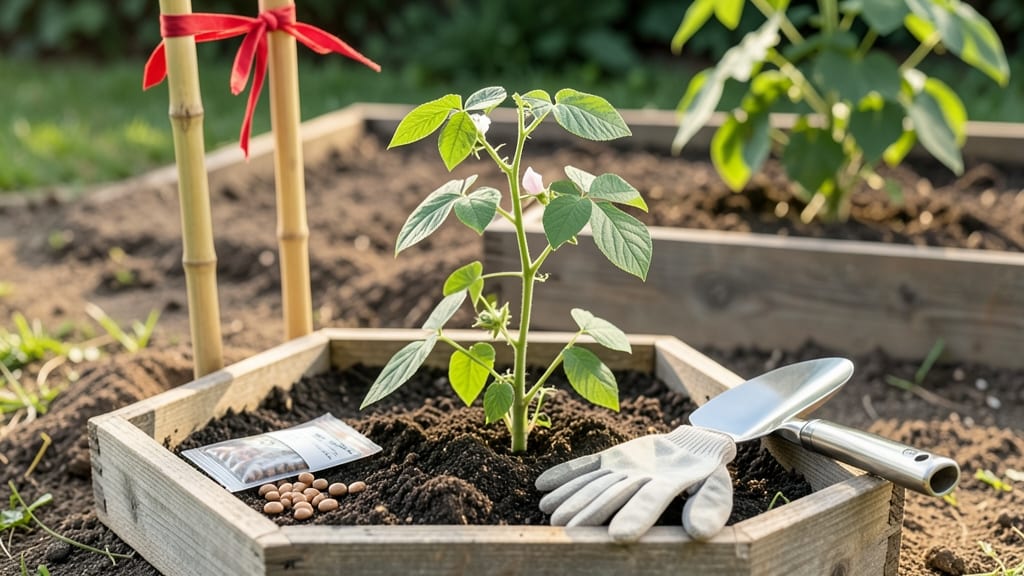
Timing your beans planting in Missouri isn’t just about the calendar—it’s about outsmarting Mother Nature’s unpredictable twists, from late frost sneaks to scorching summer heat.
With 5b-6b zone challenges, one wrong move could mean wasted seeds or stunted harvests, but get it right, and you’ll enjoy fresh 🌱 pods straight from your garden.
Most Missouri gardeners swear by the April 15-June 1 window for spring plantings, but that’s just the starting point. Your exact deadline depends on whether you’re growing bush beans (faster) or pole varieties (needing more warmth), plus local microclimates that can shift frost dates by weeks.
Even experienced growers get tripped up by "false springs"—those warm March days that lure you into planting too soon.
What if you miss the spring window? Don’t panic—fall plantings from August 1-September 1 still yield bountiful harvests, provided you prep your soil right and watch for early October frosts.
The key is knowing your last frost date (usually around April 15 in most of the state) and adjusting for soil temperature—beans need 60°F to thrive.
I’ll walk you through Missouri-specific strategies to maximize your planting success, from soil prep tricks to extending your growing season with row covers. Let’s turn your bean dreams into a harvest-worthy reality—no guesswork, just results.
Missouri planting zones & bean varieties: frost-free deadlines by region
Missouri’s USDA zones 5b-6b create unique planting challenges, but understanding your specific last frost date and bean variety makes all the difference.
Most regions experience their final spring frost between April 1 and April 15, but northern Missouri (zone 5b) can see late frosts as late as May 1. Southern Missouri (zone 6b) typically warms up faster, allowing earlier planting.
For bush beans (like Blue Lake or Kentucky Wonder), aim to plant 2-3 weeks after your last frost when soil temperatures hit 60°F. Pole beans (such as Kentucky Blue) can handle slightly cooler soils, giving you a 1-week earlier window if you use row covers for protection.
Lima beans are the most frost-sensitive—wait until May 15 in northern Missouri or April 20 in southern areas. These varieties thrive in warm soil, so avoid planting until the ground is consistently above 65°F at a 4-inch depth.
Missouri’s fall planting window opens around August 1 for northern regions and July 20 in the south. Black Valentine and Christmas Lima varieties are excellent choices for late-season harvests, as they mature quickly (in 50-60 days) before the first frost.
To find your exact last frost date, check the USDA Plant Hardiness Zone Map or use local weather data from sources like the Missouri State Climate Office.
Subtract 2-3 weeks from your frost date for spring planting and add 10-12 weeks to your first frost date for fall planting.
Missouri Bean Planting Timeline by Zone
| Zone | Last Frost Date | Spring Planting Window | Fall Planting Window | Best Varieties |
|---|---|---|---|---|
| 5b (North) | April 15 - May 1 | May 1 - May 15 | August 1 - August 15 | Kentucky Wonder, Blue Lake, Tendercrop |
| 6a (Central) | April 1 - April 15 | April 15 - April 30 | July 20 - August 1 | Kentucky Blue, Roma II, Fordhook Lima |
| 6b (South) | March 25 - April 10 | April 10 - April 25 | July 1 - July 15 | Black Valentine, Christmas Lima, Contender |
🌱 Pro Tip: Use row covers to extend your spring window by 2-3 weeks in cooler zones.
If you’re unsure about your exact zone, use the Missouri Botanical Garden’s Plant Finder Tool to input your ZIP code for precise recommendations. Northern Missouri gardeners should prioritize early-maturing varieties (like Blue Lake, which matures in 50 days), while southern Missouri gardeners can afford slightly slower varieties (such as Kentucky Blue, which takes 60 days).
For succession planting, sow new seeds every 2 weeks after your initial planting date to ensure a continuous harvest throughout the summer. This works especially well for bush beans, which produce heavily for 3-4 weeks before tapering off.
Always test your soil temperature with a soil thermometer—beans won’t germinate well in soils below 60°F. If your soil is too cold, use black plastic mulch to warm it up 2-3 degrees faster than bare soil.
Missouri’s fall frost typically arrives between October 10 and October 20, so plan your last planting to ensure beans mature before temperatures drop below 50°F at night. Lima beans are particularly sensitive to cold, so avoid planting them after August 15 in most regions.
5 Proven tips to extend your bean planting season in Missouri
Missouri’s short growing season can make it tricky to grow beans, but with the right tricks, you can plant earlier and harvest later. Whether you’re dealing with late spring frosts or early fall chills, these strategies will help you maximize your bean harvest—even in zones 5-7.
Cold frames or mini greenhouses are my go-to for early planting. By covering young seedlings with a clear plastic dome, you can raise soil temps by 10-15°F, letting you plant 2-3 weeks before the last frost date.
Just remove the cover once seedlings sprout to avoid overheating 🌱.
Row covers made of floating fabric (like Reemay) are another game-changer. They protect tender seedlings from late frosts while still allowing sunlight and water to pass through. I’ve used them to extend my spring planting window by 4 weeks—just secure the edges with bricks or soil clips.
For late-season beans, try succession planting every 2 weeks from June to early August. This ensures a steady harvest even as summer winds down. Pair this with mulching to keep soil warm longer—straw or shredded leaves work perfectly.
Soil warming is often overlooked, but black plastic mulch can raise soil temps by 5-10°F. Lay it down 2 weeks before planting to create a cozy environment for seeds. Just Finally, watch for false springs—those warm spells in March that trick you into planting early.
Always check local frost forecasts and wait until soil temps hit 60°F (use a soil thermometer if unsure). Patience here means no lost seedlings and a longer harvest window 🌡️.
With these tricks, you’ll beat Missouri’s short season and enjoy fresh beans from early summer to fall. Just remember: soil temp > calendar date when it comes to planting success! 🌿