
Plants
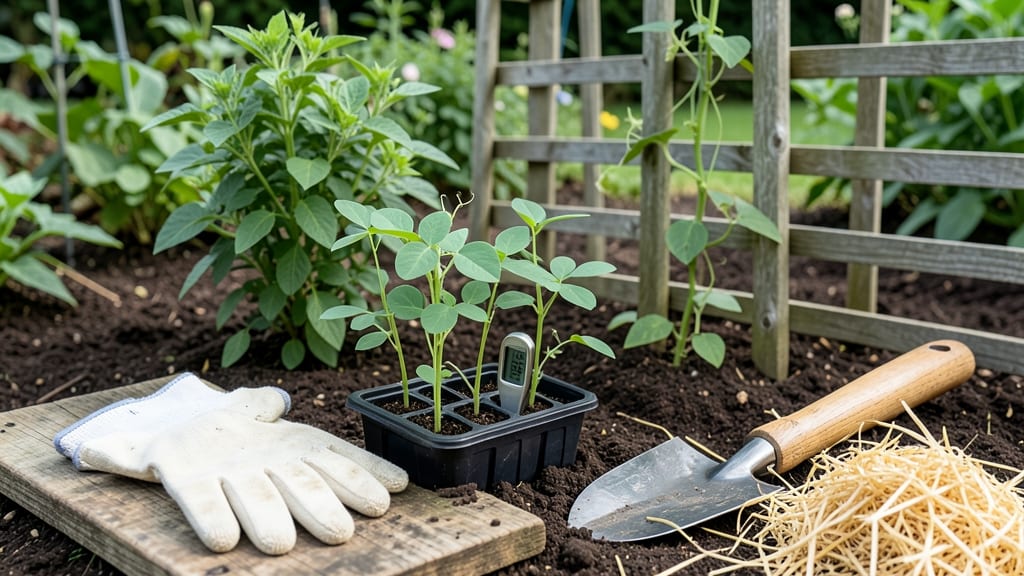
Timing your bean planting in Iowa can mean the difference between a bumper crop and wasted effort—especially when frost lingers longer than expected. With USDA zones 5a-6b and unpredictable spring weather, knowing exactly when to plant 🌱 beans after the last frost is the key to success.
Most gardeners wait until mid-April to June 15, but cold-tolerant varieties like pole beans or wax beans can handle light frosts, giving you a head start. The secret isn’t just waiting for warm soil—it’s choosing the right beans for Iowa’s 165 frost-free days and planting in stages.
In this guide, I’ll break down the best planting windows, soil prep tricks, and which varieties thrive even when temperatures dip. Whether you’re a first-time gardener or a seasoned pro, these insights will help you maximize your harvest from July through September.
Ready to turn your Iowa garden into a bean bonanza? Let’s get started with the strategies that work—no guesswork required.
Iowa bean planting calendar: best months and frost-tolerant varieties
Iowa’s USDA Zones 4-5 mean late frosts can linger until mid-April, but don’t let that stop you from growing beans. The key is choosing cold-tolerant varieties and timing your plantings right.
Most beans thrive when soil temperatures hit 60°F+, which typically occurs by late April to early May in most of Iowa.
For a continuous harvest, I recommend starting with early-spring varieties like ‘Kentucky Wonder’ or ‘Wax Bean’, which can handle light frosts (down to 28°F). These varieties give you a head start before the heat of summer arrives.
Meanwhile, heat-tolerant types like ‘Romano’ or ‘Black Valentine’ can be planted as late as mid-June for a fall harvest.
Here’s how I break down the Iowa bean planting calendar by month to maximize your yield:
Iowa’s northern regions (like Dubuque or Waterloo) may need to wait until mid-May due to later frosts, while southern areas (like Des Moines or Cedar Rapids) can start as early as late April.
Always check your local frost dates using the Iowa State University Extension calendar for precise timing.
For pole beans, which take up less garden space, I recommend starting seeds indoors 2-3 weeks before your last frost date. Transplant them after the soil warms up, as they’re more forgiving with cooler temperatures than bush beans.
Just be sure to provide a trellis or sturdy support—they can grow up to 6 feet tall!
One of my biggest mistakes was planting green beans too early in cold, wet soil, which led to rot and poor germination. Now, I always use a soil thermometer to confirm temperatures before planting.
If the ground feels chilly to the touch, wait a few more days—your beans will thank you with stronger growth and higher yields.
Don’t forget about succession planting! By staggering your plantings every 2-3 weeks through June, you can enjoy fresh beans from July through September. This method also reduces the risk of pests or diseases wiping out your entire crop at once.
For organic gardeners, I swear by adding composted manure or aged compost to the soil before planting. Beans are nitrogen-fixers, meaning they pull nitrogen from the air, but they still benefit from phosphorus-rich soil for strong roots.
A balanced fertilizer (like 5-10-10) at planting time gives them the boost they need to start strong.
Pro tip: If you’re in a shorter growing season area, opt for early-maturing varieties like ‘Provider’ or ‘Tendercrop’, which can go from seed to harvest in as little as 50 days. This gives you flexibility to squeeze in a second planting if summer stretches long enough.
🌱
How to extend your Iowa bean harvest: succession planting and soil prep
Succession planting is my secret weapon for a continuous bean harvest in Iowa’s short growing season. By staggering plantings every 2-3 weeks, you can enjoy fresh beans from July through September—just when Iowa’s summer heat peaks.
Start your first batch 2 weeks after your last frost date (typically mid-April), then repeat every 2 weeks until early June.
Iowa’s clay-heavy soils can be a challenge, but with the right prep, your beans will thrive. Before planting, work in 2-3 inches of compost or aged manure to improve drainage and fertility.
Beans are nitrogen-fixers, so they don’t need heavy feeding, but a light application of 5-10-10 fertilizer at planting gives them a boost. Avoid over-fertilizing—too much nitrogen leads to leafy growth at the expense of pods.
🌱 Step-by-Step Succession Planting Guide
- Week 1: Plant cold-tolerant varieties like ‘Kentucky Wonder’ 2 weeks after last frost. Use black plastic mulch to warm soil faster.
- Week 3: Sow heat-tolerant types (e.g., ‘Blue Lake’) when soil hits 60°F+. Choose a sunny, sheltered spot to avoid wind damage.
- Week 5: Add pole beans near trellises for vertical growth. Stake or cage plants to save space in small gardens.
- Week 7: Plant dwarf varieties (e.g., ‘Mascotte’) in containers or along fences for easy harvest access.
- Ongoing: Thin seedlings to 3-4 inches apart for bush beans or 4-6 inches apart for pole beans.
Don’t overlook soil temperature checks—beans won’t germinate well in cold soil. Use a soil thermometer to confirm 60°F+ before planting. If your soil is still chilly, try row covers or a cold frame to accelerate warming.
In Iowa’s USDA Zone 5a-6b, early plantings can face late spring frosts, so have a backup plan to protect young seedlings with frost cloth if needed.
Watering strategy makes all the difference. Beans need 1-1.5 inches of water weekly, but deep, infrequent watering encourages strong root growth. Water at the base of plants in the morning to prevent fungal diseases like rust or blight, which thrive in damp conditions.
Mulch with straw or grass clippings to retain moisture and suppress weeds—two critical tasks in Iowa’s hot summers.
For a second harvest wave, try late-summer plantings in early July. Choose quick-maturing varieties (e.g., ‘Provider’ or ‘Tendergreen’) that can produce pods before Iowa’s first frost in mid-October.
These varieties tolerate cooler temps better than standard types, giving you a bonus harvest when many other crops are winding down.
Pro tip: Keep a planting journal to track which varieties perform best in your microclimate. Note soil conditions, frost dates, and harvest yields—this data becomes your personalized Iowa bean-growing guide for years to come. With these strategies, you’ll turn Iowa’s unpredictable spring into a bean harvest goldmine! 🌱🌿