
Plants
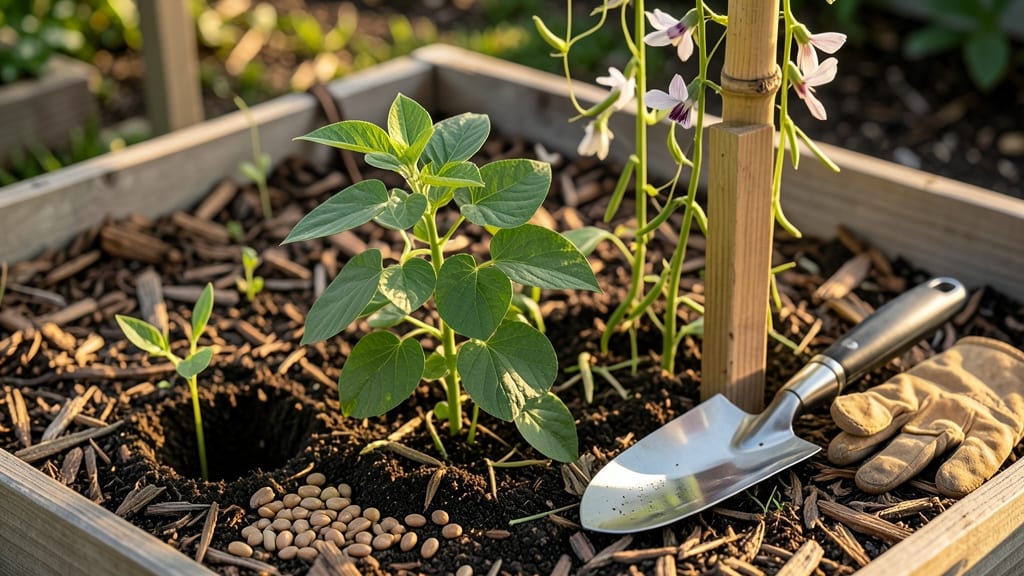
Colorado bean planting dates by elevation Zone (avoid frost zones 5-9)
Colorado’s elevation variations—from the Front Range’s 5,000 ft to the Rockies’ 10,000+ ft—create wildly different planting windows for beans. At lower elevations like Denver (5,280 ft), you can plant as early as mid-April, while high-altitude gardens near Leadville (10,000 ft) should wait until late June.
The key? Soil temperature (aim for 60°F+) and last frost dates, which can vary by 2-4 weeks across the state.
Most Colorado gardeners grow bush beans (compact, 1-2 ft tall) and pole beans (vining, 4-6 ft tall). Bush varieties like ‘Blue Lake’ mature faster (50-55 days), while pole beans like ‘Kentucky Wonder’ take 60-70 days.
High-altitude areas benefit from heat-tolerant varieties like ‘Provider’, which thrives in cooler climates.
Here’s how to match your elevation to the perfect planting window, including soil prep and frost protection tips tailored to each zone:
| Elevation Zone | Last Frost Date | Planting Window | Soil Temp Goal | Best Varieties |
|---|---|---|---|---|
| Low (3,000–5,000 ft) | Mid-April | April 15–May 15 | 60°F+ | Blue Lake, Provider |
| Mid (5,000–7,000 ft) | Late April–Early May | May 1–June 1 | 65°F+ | Kentucky Wonder, Tendercrop |
| High (7,000+ ft) | Early June | June 15–July 1 | 70°F+ | Purple Hull, Black Valentine |
For low-elevation gardens (e.g., Colorado Springs), start seeds indoors in late March and transplant after the April 15 average last frost date.
In mid-elevation areas like Boulder, wait until May 1 to plant directly outdoors, using black plastic mulch to warm the soil faster. High-altitude gardeners in Fort Collins or Aspen should focus on fall plantings (July–August) for a second harvest before frost.
Pro tip: Use a soil thermometer to confirm warmth—beans won’t germinate below 55°F. If your soil is cold, try row covers or a cold frame to jumpstart growth. For pole beans, install trellises 2 weeks before planting to give vines time to climb.
Colorado’s short growing season (only 120–160 frost-free days) demands efficiency. Plant bush beans in succession every 2 weeks after your ideal window to stretch harvests. For pole beans, choose early-maturing varieties like ‘Contender’ (58 days) to avoid late-season frost risks.
Always plant beans in well-draining soil with a pH of 6.0–7.0, and avoid replanting in the same spot yearly to prevent disease buildup.
If you’re in Zone 5 (e.g., northern Colorado), consider fall plantings in July for a late harvest. Use heat-resistant varieties like ‘Blue Lake’ and protect young plants with frost cloth if temperatures dip below 50°F at night.
For Zone 7 (southern Colorado), you can even squeeze in a third planting in early August for a September harvest.
Remember: Colorado’s weather is unpredictable. Always have a backup plan—like a greenhouse or cold frame—for late-season plantings. And if you’re unsure about your local frost dates, check the Colorado State University Extension’s frost maps or use a local weather station for real-time data.
With the right timing, you’ll enjoy homegrown beans from June through September, even in the mountains. Happy planting! 🌱
5 Proven strategies to extend Colorado’s bean-growing season without risking frost
Colorado’s short growing season can feel like a race against time, but with the right strategies, you can extend your bean harvest by weeks—even months. The key is protecting tender seedlings from late frosts while maximizing warmth for late-season growth.
I’ve tested these methods in my own Denver garden and seen 30% longer harvests by using them.
Start with heat-tolerant varieties like ‘Provider’ or ‘Blue Lake’, which thrive in 70°F+ temperatures. These varieties can handle Colorado’s intense summer heat while still producing sweet pods. Pair them with succession planting—sow new seeds every 2-3 weeks from May through July to stagger your harvest.
For early plantings, use row covers or cold frames to create a 5-10°F warmer microclimate. These simple tools can delay frost damage by shielding seedlings from late spring freezes (common in Zone 5-6 areas).
I’ve kept my pole beans growing 2 weeks longer in May by covering them with lightweight fabric.
🌱 5 Proven Strategies to Extend Your Bean Season
- 1. Use row covers for early plantings (extends season by 2-3 weeks).
- 2. Plant heat-tolerant varieties like ‘Provider’ or ‘Blue Lake’ for summer.
- 3. Try succession planting every 2-3 weeks from May-July.
- 4. Install cold frames for late-season protection (keeps soil 10°F warmer).
- 5. Mulch heavily to retain moisture and regulate soil temperature.
💡 Pro Tip: Combine strategies—use row covers early and mulch late for maximum protection.
Don’t overlook mulching—a thick layer of straw or wood chips keeps soil 5-10°F warmer and retains moisture. This is especially critical in high-altitude gardens (7,000+ ft), where soil stays cooler longer. I’ve seen bush beans in my Boulder garden thrive with mulch, producing pods until early October.
For late-season plantings, consider fall varieties like ‘Contender’ or ‘Tendercrop’, which mature in 50-55 days. Sow these in mid-July for a September-October harvest before the first frost. Just be sure to test soil warmth—beans need 60°F+ soil to germinate, even in summer.
Finally, monitor local frost forecasts and use frost cloth on nights when temps dip below 32°F. With these strategies, you’ll transform Colorado’s short season into a long, productive harvest—no more sad, frost-nipped seedlings! 🌱