
Plants
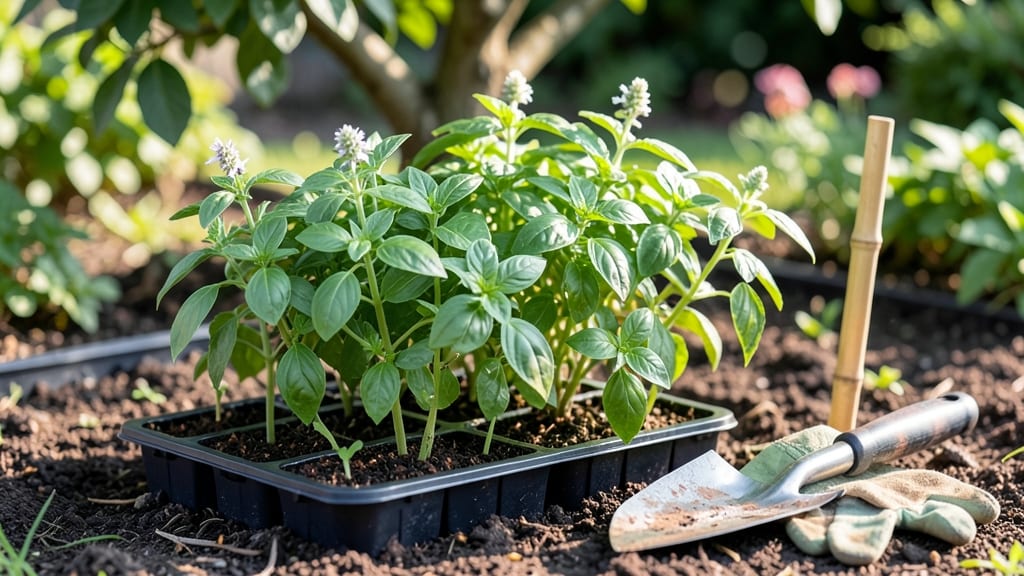
Planting basil in Seattle might seem tricky with its fickle coastal weather, but getting the timing right means the difference between a thriving 🌿 harvest and a sad, frost-nipped failure.
The key window—mid-April to early June—aligns perfectly with Seattle’s last frost dates, giving your basil the warm start it craves without risking cold damage.
Why does this matter? Because basil hates cold—even a light frost can stunt growth or kill young plants outright. In Seattle’s Zone 8a, waiting until soil temperatures hit 50°F (around mid-April) ensures your basil takes off without stress.
But here’s the catch: coastal areas near Puget Sound may warm up faster than inland spots, so adjust based on your microclimate.
Whether you’re sowing seeds directly or transplanting starts, this guide breaks down the exact steps to time your planting for maximum flavor and yield. We’ll also cover how to extend your growing season with simple tricks—because in Seattle, every extra week counts.
Ready to grow basil that’s bold, aromatic, and ready for your kitchen by summer? Let’s dive into the perfect planting schedule tailored just for Seattle gardeners.
Seattle’s basil planting timeline: frost-free windows for zero risk
Seattle’s coastal climate creates unique challenges for growing basil. Unlike inland areas, our last frost dates vary dramatically—from mid-April in sheltered neighborhoods to mid-May near Puget Sound. This variability means your planting window must be flexible to avoid frost damage while maximizing your harvest season.
Basil thrives in warm soil (minimum 50°F/10°C) and consistent daytime temps above 55°F/13°C. In Seattle, this typically aligns with late April to early June, but microclimates near Lake Washington or the Cascades foothills may shift these dates by 2–3 weeks.
🌱 Key Takeaway: Use Seattle’s average last frost date (April 15) as your baseline, but monitor local forecasts. Urban heat islands (like Downtown) can push safe planting 1–2 weeks earlier than cooler areas like Ballard or West Seattle.
| Month | Action | Notes | Risk Level |
|---|---|---|---|
| February | Start seeds indoors | Use grow lights; keep soil at 70°F | Low |
| March | Hardening off seedlings | Acclimate to outdoor temps for 1 week | Medium |
| April | Plant outdoors after April 15 | Wait for soil to warm to 50°F; use row covers if frost predicted | High (frost risk) |
| May | Direct sow or transplant | Ideal for container gardens; space 12" apart | Low |
| June | Begin harvesting | Pinch flowers to extend season; expect first harvest in 4–6 weeks | None |
If you miss the April–May window, don’t despair—Seattle’s mild summers allow for a second planting in late June. However, basil grown this late may bolt (flower) faster due to shorter daylight hours. Choose heat-tolerant varieties like Thai basil or Lemon basil for better success.
For container gardeners, warm soil heats up faster than in-ground beds. Place pots in south-facing spots and use black plastic mulch to raise soil temperatures by 5–10°F. This can safely extend your planting window by 1–2 weeks compared to traditional in-ground planting.
Always monitor local weather forecasts—Seattle’s May heatwaves can create false starts. If nighttime temps drop below 50°F/10°C after planting, use row covers or move containers to sheltered spots. 🌡️ Pro Tip: A soil thermometer ($10 at garden centers) is your best friend for tracking safe planting conditions.
Urban gardeners in high-rise apartments can still grow basil by starting seeds indoors in February under grow lights. Transplant seedlings to balcony containers by late May once nighttime temps stay above 55°F/13°C. Choose compact varieties like Spicy Globe basil to save space.
Remember: Basil hates cold feet. Even if daytime temps are warm, cool nights (common in Seattle’s June Gloom) can stunt growth. Use black plastic pots to absorb heat or add a mulch layer to insulate roots. This simple trick can add 1–2 weeks to your growing season.
Your first harvest should arrive by late June if planted in early May. With proper care, you can enjoy fresh basil through September, just in time for tomato season! For those who love pesto, this means a homegrown harvest without the grocery store markup. 🌿
How to extend your basil season in Seattle: staggered planting and protective hacks
Seattle’s cool coastal summers and unpredictable weather can cut basil season short—but with the right strategies, you can extend harvests by 4–6 weeks. The key is combining staggered planting with protective techniques tailored to your microclimate.
Whether you're in a sunny urban pocket or a shadier suburban yard, these hacks will help you grow basil well into late September.
Start by planting in stages every 2–3 weeks from mid-April through early June. This ensures a continuous harvest instead of one big flush. For example, sow a batch in mid-April, then repeat in late April and early June.
Each batch will mature at different times, giving you fresh leaves for pesto, salads, and sauces all summer long.
🌱
⚠️ WARNING: Late Planting Risks
Planting basil after June 15 in Seattle risks premature bolting (flowering) due to shorter daylight. If you must plant late, choose slow-bolting varieties like Thai basil or use row covers to extend the season.
For gardeners in cooler neighborhoods (like Ballard or West Seattle), use cold frames or mini greenhouses to protect young plants. These structures can raise soil temperatures by 5–10°F, allowing you to plant 2–3 weeks earlier than the average last frost date.
Simply place the frame over seedlings at night and remove it during the day for sunlight.
Another game-changer is row covers (floating fabric covers). These lightweight materials shield plants from light frosts (down to 28°F) and chilly winds while still allowing sunlight and water to pass through.
Use them on evening frost nights or during unseasonably cold spells in May or September. Secure the edges with bricks or stakes to prevent wind damage.
If your space is limited, container gardening with heat-absorbing materials works wonders. Use black pots or line containers with black plastic to warm the soil faster. Place containers in south-facing spots and move them to shadier areas during heatwaves (Seattle’s summer temps can spike to 90°F+).
Finally, companion planting with taller, heat-tolerant plants like tomatoes or peppers can shield basil from late-season winds while also improving air circulation. Avoid planting near mint or fennel, which can stunt basil’s growth.
With these tricks, you’ll enjoy fresh basil well past Labor Day—just in time for fall tomato sauces!