
Plants
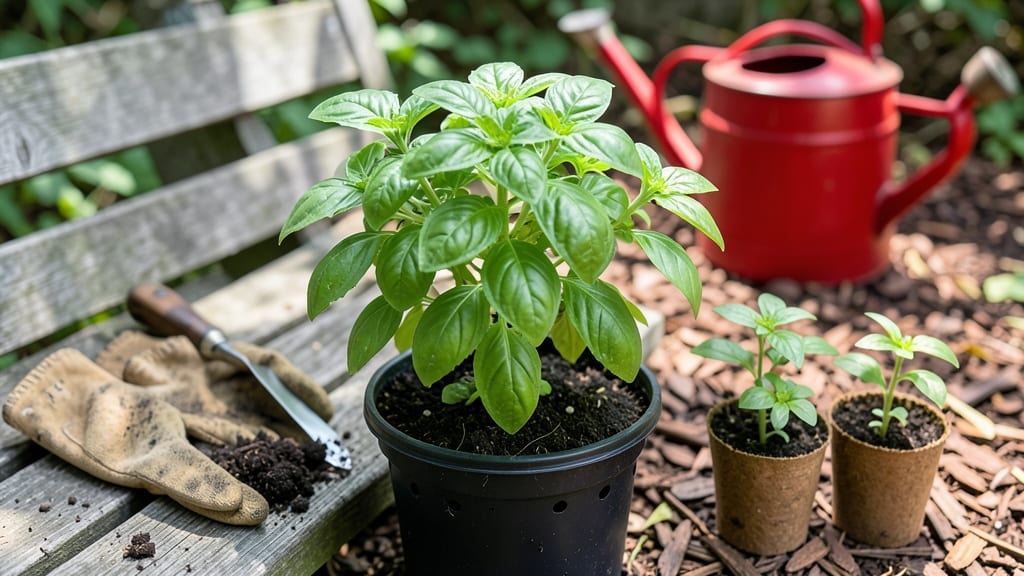
If you’ve ever planted basil in Michigan only to watch it bolt into bitter flowers before summer even kicks in, you’re not alone. The key to avoiding this common gardener’s frustration? Timing your 🌿 basil perfectly—after frost, but before the heat forces it to rush its life cycle.
Michigan’s 5b-6b zones mean your last frost can swing wildly—some years it’s mid-April, others it lingers into May. Plant too early, and frost zaps your seedlings; too late, and you miss the sweet spot for flavorful harvests from June through September.
I’ll break down the exact window (and smart workarounds) to keep your basil thriving.
Whether you’re starting seeds indoors in March or transplanting young plants after April 15, the right approach makes all the difference.
You’ll learn how to stretch your growing season, pick the hardiest varieties, and avoid the #1 mistake that turns your basil into a sad, bolted shadow of its potential.
Let’s get your garden ready for the best basil harvest Michigan has to offer—no frost, no stress, just flavor-packed leaves all season long.
Michigan basil planting timeline: avoid frost bolt with these exact dates
Michigan’s last frost dates vary dramatically—from mid-April in southern regions like Detroit to late May in the Upper Peninsula. This 2-month difference means your basil planting window shifts from April 15 in the south to May 20 in the north.
Using the USDA Zone 5b-6b averages, here’s how to pinpoint your frost-free planting zone for zero bolt risk.
For direct sowing, wait until soil temperatures hit 50°F+—use a soil thermometer to confirm. In Michigan’s Lower Peninsula, this typically aligns with May 1-15, while Northern Michigan gardeners should hold off until late May.
Transplanted seedlings can tolerate slightly cooler soils (45°F+), giving you a 1-2 week earlier start.
Basil is a tender annual that bolts (goes to seed) in cold snaps. Even a light frost (28°F) will kill seedlings, so never plant before May 1 in most of Michigan.
To track local frost dates, check the Michigan State University Extension’s frost calendar or use the Almanac’s frost predictor tool for your ZIP code.
Here’s your Michigan basil planting timeline by region, with direct sow vs. transplant options:
| Region | Last Frost Avg | Direct Sow Window | Transplant Window | Key Risk |
|---|---|---|---|---|
| Southern MI (Detroit, Ann Arbor) | April 15 | May 1-15 | April 20-May 1 | Late frosts |
| Central MI (Lansing, Grand Rapids) | April 25 | May 10-25 | April 25-May 10 | Fungal risk in wet springs |
| Northern MI (Traverse City, UP) | May 10 | May 20-June 1 | May 1-May 15 | Short growing season |
If you’re starting basil indoors (e.g., for early March sowing), use grow lights to prevent leggy seedlings.
Transplant outdoors 2-3 weeks after last frost, hardening off seedlings by gradually exposing them to outdoor temps over 7-10 days. Urban gardeners in cities like Detroit can plant 1-2 weeks earlier thanks to the urban heat island effect.
For successive planting, sow new seeds every 2 weeks until June 15 to extend your harvest. This staggered approach ensures you’re always harvesting fresh basil from July through September. Pair this with row covers if late frosts threaten—floating fabric can add 2-3°F protection.
Pro tip: Monitor your local weather using the NOAA’s frost forecast. If a late frost is predicted, cover seedlings with cardboard or burlap sacks—basil can tolerate 32°F for short periods if protected. Never skip this step; a single 28°F night will kill your plants.
Remember, Michigan’s first frost typically arrives mid-October, but basil’s heat tolerance means it can often survive until late September if protected from cold snaps. Use black plastic mulch to insulate roots and extend the season by 2-3 weeks.
By following this region-specific timeline, you’ll avoid the #1 basil mistake in Michigan: planting too early and losing everything to frost. With these dates, you’ll harvest flavorful leaves all summer—no bitter bolts in sight! 🌱
5 Proven strategies to extend Michigan basil’s growing season without bolting
Michigan’s short growing season can cut basil harvests short—but with the right techniques, you can push your plants to produce 30-50% more leaves before frost. The key is protecting tender basil from late-season chills while avoiding the bitter bolting that comes from stress.
Here are my top strategies, ranked by effectiveness for Michigan’s climate.
First, consider staggered planting. Instead of one big batch in May, sow half your seeds indoors in March and transplant outdoors after frost. This gives you early harvests while later plantings keep production going through summer. For container gardeners, this means two harvests instead of one!
Cold frames are my secret weapon for extending the season by 4-6 weeks. A simple DIY frame with clear plastic or glass creates a mini greenhouse effect, trapping heat during the day and protecting from nighttime dips. Place it over your basil in late August—just as days shorten—and watch your plants thrive when outdoor temps drop to 45°F.
- 📅 Staggered Planting: Sow March (indoors) + May (outdoors) for dual harvests. Best for: Containers & raised beds
- 🏗️ Cold Frames: Add 4-6 weeks to harvest window. Cost: $20-$50 DIY
- 🛡️ Row Covers: Protect from light frosts (28-32°F). Bonus: Shields from pests
- 🌿 Companion Planting: Pair with tomatoes (they share nutrients) and avoid fennel (inhibits growth)
- 🌡️ Heat Tolerant Varieties: Choose Thai basil or Lemon basil—they handle 90°F+ better than Genovese
Don’t overlook row covers—these lightweight fabrics (like Reemay) let sunlight through while blocking light frosts (28-32°F). Drape them over your basil in early October and secure with bricks or stakes. They’re cheaper than cold frames and work well for in-ground plants or large containers. Just
For urban gardeners with limited space, companion planting is a game-changer. Basil thrives near tomatoes (they repel pests like whiteflies) and peppers, but avoid planting it next to fennel—this herb releases chemicals that stunt basil’s growth. In containers, mix basil with marigolds to deter aphids naturally. This simple swap can mean the difference between bolted, bitter leaves and flavorful harvests all season.
Finally, if you’re willing to invest a little more, grow lights can keep basil producing indoors through winter. Place a full-spectrum LED grow light 6-12 inches above your plants for 12-14 hours/day.
This isn’t just for winter—it’s perfect for cloudy Michigan springs when sunlight is weak. Just don’t forget to rotate your plants daily to prevent leggy growth.