
Plants
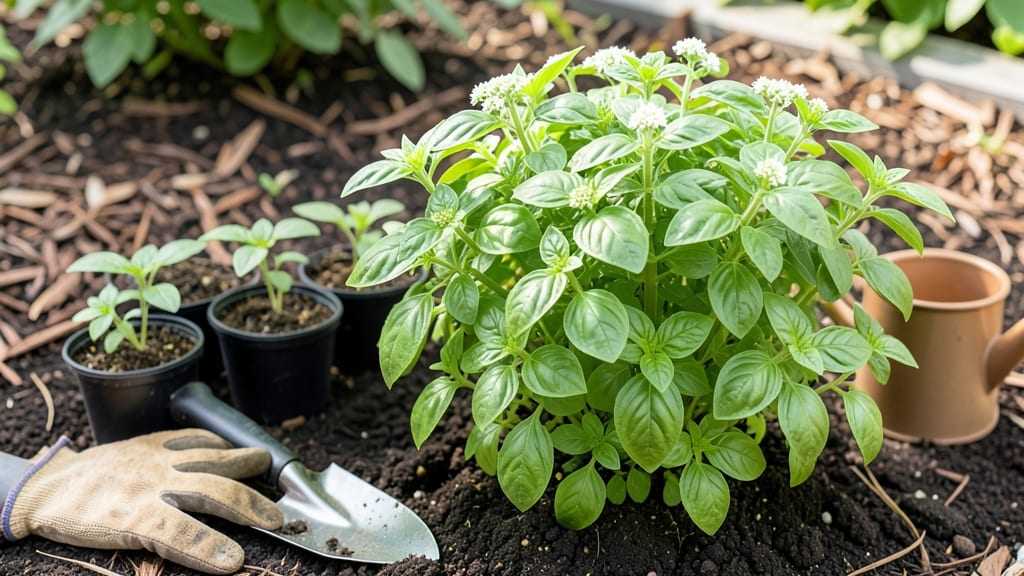
Timing your basil planting in Colorado can mean the difference between a thriving herb garden and a sad, bolted disappointment. With Colorado's unpredictable climate, getting the heat-zone match right is the key to avoiding that bitter, flowery taste you dread.
Most gardeners in zones 5-7 wait until late May or early June to plant basil outdoors, but that's just the starting point. The real secret lies in understanding your specific microclimate—whether you're in Denver's urban heat islands or the cooler high-altitude valleys of the Rockies.
In this guide, I'll show you exactly when to plant basil for maximum flavor and minimum stress, including how to extend your harvest window through smart techniques. You'll learn the ideal planting windows, how to handle late frosts, and which varieties actually thrive in Colorado's short growing season.
Whether you're a first-time gardener or a seasoned pro, these insights will help you grow basil that's bold, fresh, and ready to harvest from June through September—no bolt risk included.
Colorado’s ideal basil planting zones by heat map (avoid bolt risk)
Colorado’s USDA zones 4-7 create unique challenges for basil growers. The key to avoiding bolt risk lies in matching planting times to your specific heat zone and microclimate. Late spring is your golden window, but timing varies dramatically between Denver’s urban heat islands and Colorado Springs’ high-altitude chill.
Basil thrives when soil temperatures hit at least 50°F and nighttime temps stay above 45°F. In Denver (Zone 5), this typically means waiting until mid-May, while Colorado Springs (Zone 5-6) gardeners can plant 1-2 weeks earlier thanks to warmer days.
High-altitude areas like Fort Collins (Zone 4) may need to wait until early June.
Here’s the heat-zone breakdown you need to prevent premature flowering and maximize your harvest:
| Zone | Last Frost Date | Ideal Planting Window | Heat Zone Notes |
|---|---|---|---|
| 4 (Fort Collins) | May 15 | Early June | Wait for soil to warm; use black plastic mulch |
| 5 (Denver) | May 1 | Mid-May to late May | Urban heat islands may allow earlier planting |
| 6 (Colorado Springs) | April 15 | Late April to early May | Higher elevation but warmer days |
| 7 (Grand Junction) | March 15 | Early April | Longer growing season; can plant twice |
For Denver gardeners, microclimates matter. South-facing gardens in urban heat islands can plant 2 weeks earlier than north-facing yards. Always check your local frost dates using the Colorado State University Extension maps for precise timing.
If you’re growing basil in containers, you can extend your planting window by 2-3 weeks since pots warm up faster. Just ensure they have drainage holes to prevent root rot from Colorado’s afternoon thunderstorms.
Basil bolts when it senses long days and cool nights. In Colorado, this typically happens by mid-July if planted too early. To delay bolting, choose shade-tolerant varieties like Spicy Globe or use 30% shade cloth during peak afternoon sun.
Pro tip: Stagger your plantings every 2 weeks from May to July. This ensures a continuous harvest until Colorado’s first frost in October. Just remember—never plant basil before your last frost date, or you’ll risk stunted growth and poor flavor.
For high-altitude areas like Boulder or Estes Park, consider starting seeds indoors in March and transplanting after Memorial Day. Use grow lights to give seedlings a 14-hour light day to prevent legginess before outdoor transition.
Colorado’s dry climate means basil needs consistent moisture. After planting, mulch with straw or wood chips to retain soil moisture and keep roots cool during 90°F+ days. This simple step can extend your harvest by 3-4 weeks.
5 Pro tips to extend basil’s growing season in Colorado’s short summers
Colorado’s short growing season and unpredictable heat waves can cut basil’s harvest short—but not if you plan ahead. These 5 pro tips help stretch your basil’s life by 4-6 weeks, ensuring fresh leaves until late September or even October in lucky microclimates.
First, stagger your planting by sowing seeds every 2-3 weeks from late May through early July. This creates a rolling harvest, so you’re never left without fresh basil when one batch bolts or slows down.
For example, plant the first batch in late May for early summer harvests, then follow with mid-June and July batches to keep the cycle going.
🌱
- 1. Use shade cloth (30-50%) to protect plants from Colorado’s intense afternoon sun, which accelerates bolting. Install it when temps hit 90°F+—typically by early July.
- 2. Grow in containers with wheels for heat management. Move pots to shadier spots during heatwaves or roll them into garages at night if temps drop below 50°F.
- 3. Mulch heavily with straw or wood chips to keep soil temps 5-10°F cooler and retain moisture. This mimics Colorado’s high-altitude conditions where nights stay cooler.
- 4. Companion plant with tomatoes or peppers to deter pests like spider mites, which thrive in Colorado’s dry heat. Avoid planting near fennel or rue, which stunt basil’s growth.
- 5. Prune aggressively to delay bolting. Pinch off flower buds as soon as they appear and harvest outer leaves first to encourage bushier, slower-growing plants.
Don’t overlook container gardening—it’s a game-changer for Colorado gardeners. Pots absorb and release heat slower than soil, giving you better temperature control. Choose black or dark-colored containers to absorb warmth during the day, then move them to shaded areas at night to prevent temperature shocks.
For those in high-altitude areas (e.g., Denver or Colorado Springs), focus on cold-hardy varieties like ‘Spicy Globe’ or ‘Sweet Basil’, which tolerate cooler nights better than traditional types. Pair this with row covers on chilly mornings to protect tender leaves.
Finally, harvest strategically: Always cut leaves in the morning when oils are at their peak, and avoid harvesting after 4 PM when plants are stressed from heat. With these tips, you’ll enjoy homegrown basil for nearly 5 months—far longer than the typical 2-3 month window in Colorado’s climate.
🌟