
Plants
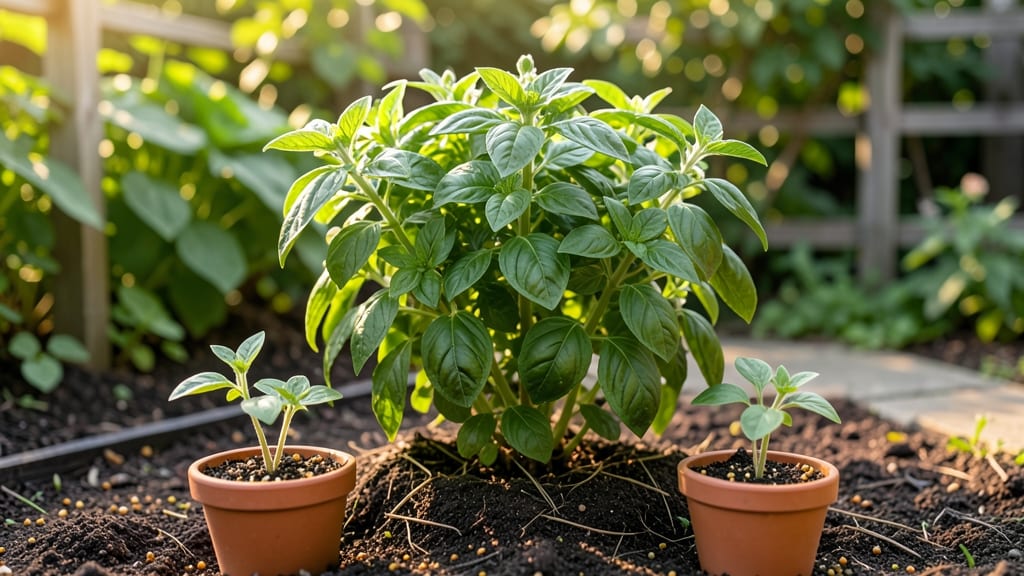
Timing your basil planting in California isn't one-size-fits-all - get it wrong, and you'll end up with leggy, bitter leaves instead of the fragrant harvest you crave.
Whether you're in coastal San Francisco or the Central Valley's heat, knowing the perfect window makes all the difference for your 🌱 basil plants.
Most gardeners assume spring is the only time to plant, but California's microclimates create opportunities for two growing seasons - one in spring and another in fall. I'll show you exactly when to start seeds indoors or transplant seedlings in your specific region to avoid frost damage while maximizing flavor.
Coastal areas can plant earlier thanks to milder winters, while inland zones need to wait until soil warms. We'll break down the key differences and share pro tips for container growing that works year-round, no matter where you live in the Golden State.
Ready to grow basil that tastes like summer? Let's dive into the planting schedule that'll have you harvesting fresh leaves in just 60 days - and keep your garden thriving through fall's last harvest.
California basil planting timeline: coastal vs inland differences
California’s diverse microclimates make basil planting a balancing act. Coastal areas like San Francisco and Santa Barbara enjoy milder winters, while inland valleys such as Sacramento and the Central Valley face frost risks. Understanding these differences ensures your basil thrives year-round.
For coastal regions, the optimal planting window starts in early March and extends through May. The mild ocean breezes and cooler nights create ideal conditions for seed germination and early growth. In contrast, inland areas should wait until mid-April to late May to avoid late frost damage.
Here’s how to navigate these differences with precision:
| Region | Best Planting Months | Soil Temp (°F) | Frost Risk | Heat Tolerance |
|---|---|---|---|---|
| Coastal (SF, LA) | March–May | 55–65°F | Low (rare frost) | Moderate (cooler summers) |
| Inland (Sacramento, Central Valley) | April–June | 60–70°F | High (late frost risk) | High (hot summers) |
| Desert (Palm Springs, Coachella) | August–September | 75–85°F | None | Very High |
In coastal areas, early spring planting (March) allows basil to mature before summer’s cooler temperatures. Use lightweight row covers if nights dip below 50°F. For inland zones, wait until after May 15th to avoid late frost, which can kill young seedlings overnight.
For heat-tolerant varieties like Genovese or Spicy Globe, inland gardeners can push planting to late May. These varieties handle 90°F+ temperatures better than traditional basil. Always water deeply in inland heat to prevent bolting (premature flowering).
If you’re in Southern California’s desert regions, fall planting (August–September) is ideal. The cooler evenings prevent heat stress, and basil thrives until first frost (which rarely occurs). Use drip irrigation to maintain consistent moisture in sandy soils.
Pro tip: Test soil temperature with a soil thermometer before planting. Basil seeds need 55–65°F soil to germinate. Inland areas often require warmer soil due to faster drying. Amend soil with compost to retain moisture and improve drainage.
For container gardening, coastal gardeners can start seeds indoors in February and transplant outdoors in March. Inland growers should wait until mid-April to avoid frost damage. Containers dry out faster, so use self-watering pots or mulch to conserve moisture.
Remember: Basil hates cold feet. Even coastal areas can experience unexpected chills. Use black plastic mulch to warm soil faster or straw mulch to insulate roots. Inland gardeners should harden off seedlings gradually to prevent transplant shock.
🌱
California basil planting timeline: coastal vs inland differences
California’s diverse climate means your basil planting schedule should change dramatically depending on whether you're near the coast or inland.
Coastal areas like San Francisco and Los Angeles enjoy milder winters and cooler summers, while inland regions like Sacramento and the Central Valley face hotter summers and frost risks in winter. Understanding these differences ensures your basil thrives year-round.
For coastal gardeners, the ideal planting window starts in early spring (March) and extends through late summer (August). Inland areas should begin planting in late spring (April-May) to avoid late frosts, with a second planting in early summer (June) for a fall harvest.
The key difference? Coastal basil can handle mild winter temperatures, while inland basil needs protection from frost and heatwaves.
| Region | Best Planting Time | Frost Risk | Heat Tolerance |
|---|---|---|---|
| Coastal (SF, LA) | March–August | Low (rare frost) | Moderate (cool summers) |
| Inland (Sacramento, Central Valley) | April–June, Sept | High (late frosts) | Low (intense heat) |
In coastal areas, March and April are perfect for sowing seeds directly in the garden, as soil temperatures hover around 60°F. By June, your basil should be established and ready for heavy harvests.
Inland gardeners should wait until after the last frost date (mid-April) and avoid planting in July-August when temperatures exceed 90°F, causing bolting.
For a fall harvest, coastal gardeners can plant basil as late as August, while inland growers should aim for early September to avoid early frosts. Heat-tolerant varieties like Genovese or Spicy Globe perform better in inland heat, but even they need afternoon shade during peak summer months.
Always monitor your plants for signs of heat stress, like yellowing leaves or wilting.
If you're unsure about your local frost dates, check the USDA Plant Hardiness Zone Map for your area. Most of California falls within Zones 7-10, but microclimates can vary significantly even within cities.
For example, San Francisco’s foggy coast might be Zone 10, while nearby Berkeley hills could be Zone 9. Adjust your planting schedule accordingly to maximize your basil’s potential.
Remember, container gardening offers flexibility for both coastal and inland gardeners. Pots can be moved to shaded areas during heatwaves or brought indoors if frost threatens. This method is especially useful for small spaces or renters who need mobility.
Just ensure your containers have drainage holes to prevent root rot, a common issue in California’s variable rainfall patterns.