
Companion Plants
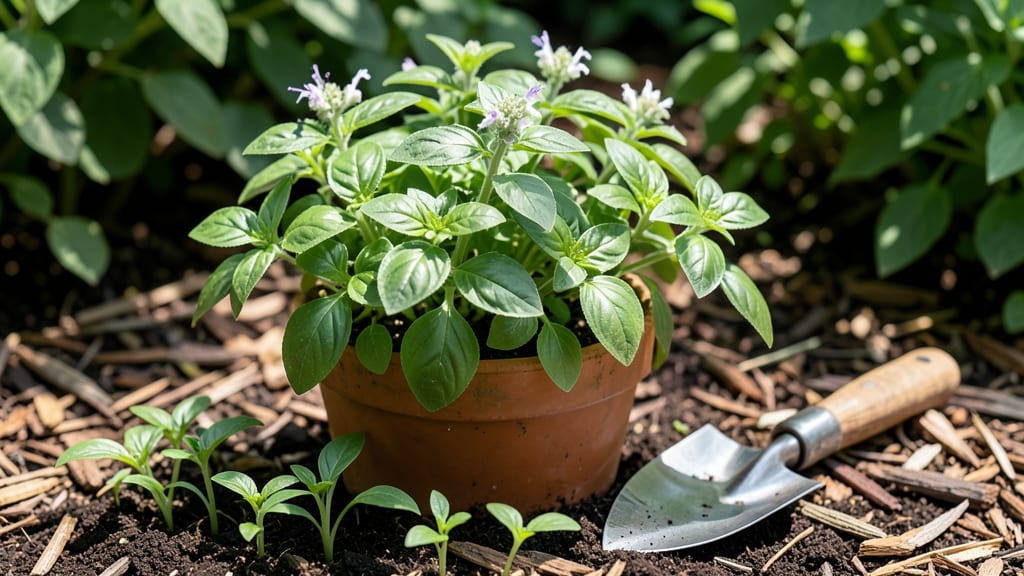
Timing your basil planting in Pennsylvania could mean the difference between a thriving 🌿 herb garden and a sad, frost-bitten disappointment—especially in USDA Zone 6a.
The key isn’t just waiting for spring; it’s knowing the exact window when your soil warms enough to protect those delicate seedlings from late frosts that can strike as late as April 15.
I’ve grown basil in Pennsylvania for years, and the April 15–May 15 window isn’t arbitrary—it’s science. Plant too early, and a surprise frost will wipe out your efforts. Too late, and you’ll miss the sweet spot for a harvest stretching from June to October.
The trick? Start seeds indoors 4–6 weeks before your last frost date, then transplant when soil hits 50°F.
But here’s the catch: Pennsylvania’s microclimates vary wildly from urban Philadelphia to rural farmlands. Urban areas often warm up faster, while rural spots might linger in chill longer.
I’ll break down the exact heat-zone timeline so you can avoid common pitfalls—like planting when the ground is still too cold or ignoring soil warmth—and set your basil up for success.
Ready to grow basil that’s bushier, more flavorful, and frost-free? Let’s dive into the step-by-step schedule that’ll have your garden bursting with 🌿 fresh basil from early summer through fall.
Pennsylvania’s basil planting zones: when to start indoors vs. outdoors
Pennsylvania’s USDA hardiness zones 5-7 create unique challenges for growing basil. The key to success? Understanding when to start seeds indoors versus planting outdoors to avoid late spring frosts that can devastate tender seedlings.
Most of PA experiences its last frost between April 15 and May 1, but microclimates in cities like Philadelphia or Pittsburgh may vary by 1-2 weeks.
For gardeners in Zone 5, the safest approach is starting basil seeds indoors 6-8 weeks before your last frost date. This means sowing seeds around March 1 for a mid-May transplant.
In Zones 6-7, you can push these timelines slightly later—March 15 to April 1—while still giving seedlings enough time to mature before outdoor conditions stabilize.
Here’s the critical rule: Never plant basil outdoors until soil temperatures consistently reach 50°F+. Cold soil stunts root growth, leaving plants vulnerable to disease. Use a soil thermometer to check—60°F is ideal for healthy germination and transplanting.
In cooler PA regions, consider using black plastic mulch to warm the soil faster.
Another pro tip: If you’re in a high-altitude area (like parts of central PA), err on the side of caution. These zones often experience earlier frosts and cooler growing seasons. Starting seeds indoors and using grow lights can give your basil a head start before moving to garden beds.
For container gardeners, timing is equally critical. Basil thrives in pots but needs warmth and sunlight. If you’re growing basil in containers, start seeds indoors by March 15 and move them outside only after May 15, when nighttime temperatures reliably stay above 50°F.
Containers cool faster than garden beds, so monitor closely.
One common mistake? Assuming basil is frost-hardy. It’s not. Even a light frost can kill seedlings, so always check your local frost-free date from resources like the Penn State Extension. For extra protection, use row covers or move potted basil indoors during unexpected cold snaps.
If you’re growing basil for a longer harvest season, consider a second planting in early July. This gives you a second batch of basil just as the first plants start to bolt in late summer heat.
For this approach, start seeds indoors around June 15 and transplant outdoors by July 15, ensuring they mature before the first frost in mid-October.
For urban gardeners in cities like Philadelphia or Pittsburgh, heat islands can create microclimates where soil warms faster. Test your soil temperature before planting—if it’s already 60°F+ by April 15, you can push outdoor planting dates earlier.
Just keep an eye on nighttime temperatures, which may still dip below freezing.
Remember, basil is a warm-season herb. It won’t tolerate cold soil or chilly nights, so always prioritize soil warmth over calendar dates. With the right timing, you’ll enjoy fresh basil from June through October, even in Pennsylvania’s variable climate. 🌱
Heat-Zone-specific basil planting calendar for Pennsylvania growers
Pennsylvania’s climate varies dramatically from the Poconos to Philadelphia, so your basil planting schedule should match your USDA Zone (5-7) and local frost dates. Most regions experience their last frost between April 15 and May 1, but mountain areas can wait until May 15 for safety.
For indoor starts, begin seeds 6-8 weeks before your last frost date. This means March 1-15 for most of PA, giving seedlings time to grow before transplanting. Outdoor planting should only happen after soil warms to 60°F+, typically May 1-15 in most zones.
Here’s your heat-zone-specific planting calendar to maximize basil growth and avoid frost damage:
| Zone | Indoor Start | Outdoor Plant | Soil Temp | Frost Risk |
|---|---|---|---|---|
| 5 (Poconos) | March 15-April 1 | May 15-June 1 | 60°F+ | High until May |
| 6a (Central PA) | March 1-April 1 | April 20-May 10 | 55°F+ | Moderate until April |
| 7a (Southeast PA) | March 1-April 1 | April 15-May 1 | 50°F+ | Low after April |
To extend your harvest, try a fall planting of cold-hardy varieties like ‘Spicy Globe’ basil. Start seeds indoors in July and transplant after Labor Day, using row covers to protect from early frosts. This gives you fresh basil until October 15 in most zones.
For container growing, plant after May 15 in PA and move pots indoors before first frost. Basil thrives in 6+ hours of sun, so place containers in south-facing windows or under grow lights for winter harvests.
Monitor your local weather forecasts and adjust planting dates if unusual cold snaps are predicted. A frost cloth can buy you an extra week of outdoor growing time if needed.