
Plants
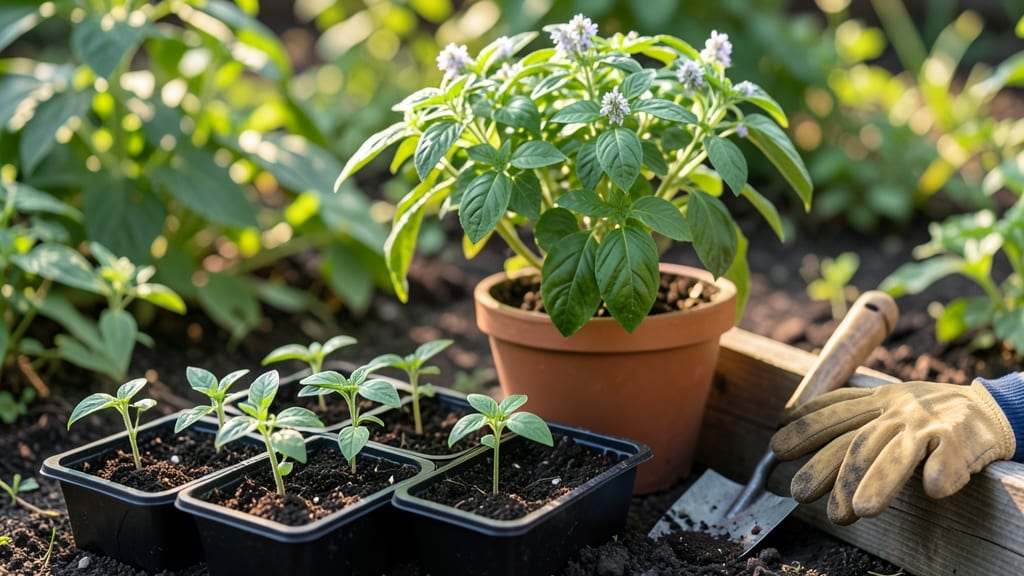
If you've ever planted basil in Arizona and watched it bolt into bitter flowers before you could even harvest a few leaves, you're not alone.
The key to growing sweet, flavorful 🌿 basil in our extreme heat lies in timing—specifically, knowing exactly when to plant it to avoid the dreaded heat stress that turns your garden into a basil graveyard.
Most gardeners assume spring is the only option, but Arizona's climate actually rewards fall planting for basil. When you plant in September or October, you give your basil a fighting chance to establish strong roots before the summer heat peaks again.
This isn't just theory—it's what separates the gardeners with thriving basil patches from those who give up after one failed attempt.
What makes this timing work so well? It all comes down to soil temperatures and heat tolerance. Basil hates being planted when the ground is scorching, but it also can't handle Arizona's summer heat once it's mature.
By planting in the cooler months, you're essentially cheating the heat—giving your basil the perfect window to grow without bolting prematurely.
In this guide, I'll walk you through the exact planting windows for both fall and spring in Arizona, plus the heat-tested strategies that keep your basil thriving when others fail.
Whether you're in Phoenix, Tucson, or Flagstaff, these timelines will help you grow basil that tastes fresh and stays productive all season long.
Optimal basil planting times in Arizona’s climate zones
Arizona’s climate varies dramatically between its low deserts (like Phoenix and Tucson) and higher elevations (such as Flagstaff). These differences mean your basil planting window should align with your specific USDA zone and microclimate.
In USDA zones 9b-10a, where most of Arizona falls, basil thrives best when planted during fall or early spring to avoid the brutal summer heat.
For Phoenix and Tucson (zones 9b-10a), the ideal time to plant basil is late August through early October for a fall harvest. This timing lets your plants establish roots before summer’s extreme heat arrives.
Alternatively, plant in February to early March for a spring harvest before temperatures climb above 90°F, which triggers bolting—the process where basil flowers prematurely, ruining flavor.
In higher elevations like Flagstaff (zone 7b), where nights can dip below 50°F, you can extend your planting window slightly. Start seeds indoors in late March and transplant outdoors by mid-May to avoid late spring frosts.
Fall planting works too—sow seeds in late July to early August for a harvest before winter sets in.
Here’s the key rule: Never plant basil during Arizona’s peak summer months (May through September). Soil temperatures above 90°F stress basil, causing it to bolt or develop bitter flavors. Instead, focus on cool-season planting when days are shorter and nights are cooler.
| Climate Zone | Best Planting Window | Harvest Window | Key Consideration |
|---|---|---|---|
| Phoenix/Tucson (9b-10a) | Late August–Early October | October–November | Avoid summer heat; mulch heavily |
| Flagstaff (7b) | Late March–Mid-May or Late July–Early August | May–June or September–October | Watch for late frosts; extend season with shade |
| Sedona (8a) | Early September–Mid-October | October–November | Soil warms slower; plant earlier than Phoenix |
| Yuma (10a) | September–Early October | October–November | Extreme heat; use shade cloth 30-50% |
If you’re growing basil in containers, you have more flexibility to move plants between shaded and sunny spots. For in-ground planting, choose a location with morning sun and afternoon shade, especially in June and July, when temperatures can exceed 110°F.
A north-facing garden bed or one with dappled shade from a tree works well.
Pro tip: Test your soil temperature before planting. Use a soil thermometer to ensure it’s below 85°F for fall planting or above 60°F for spring. Cool soil helps basil establish roots faster and reduces stress.
If your soil is too hot, wait a few weeks or use shade cloth to lower ground temperatures.
For a continuous basil harvest, practice succession planting. Sow new seeds every 2-3 weeks from late August through October. This ensures you always have fresh basil while older plants bolt. In spring, repeat the process from February to April for a second harvest window.
Remember, basil is an annual in Arizona, meaning it won’t survive winter. However, with the right timing, you can enjoy two full harvests per year—one in fall and one in spring—without the bitterness or bolting that ruins summer-grown basil.
Optimal basil planting times in Arizona’s climate zones
Arizona’s USDA zones 7-10 create microclimates where basil thrives in cooler seasons. The key is planting when soil temperatures drop below 90°F in fall or warm to 60°F in spring—avoiding summer’s brutal heat.
Phoenix and Tucson favor September-October plantings, while high-desert areas like Flagstaff can start 2-3 weeks earlier.
Spring planting (February-March) works if you use shade cloth and evening watering to prevent heat stress. Summer planting is risky—basil bolts (goes to seed) when exposed to consistent 95°F+ days. Even Thai basil varieties struggle without protection.
Here’s the ideal planting timeline for Arizona’s most common regions:
| Region | Best Planting Window | Soil Temp Threshold | Harvest Peak |
|---|---|---|---|
| Phoenix/Tucson (Low Desert) | Late August–September (fall) or March (spring) | Below 90°F | October–November (fall) or April–May (spring) |
| Sedona/Prescott (High Desert) | Mid-August–September (fall) or late February (spring) | Below 85°F | September–October (fall) or March–April (spring) |
| Flagstaff (Mountain) | July–August (fall) or April (spring) | Above 55°F | August–September (fall) or May–June (spring) |
For container gardening, adjust timelines by 2 weeks earlier—pots heat up faster. Always test soil with a thermometer before planting. In USDA zone 10 (Yuma, Tucson outskirts), fall planting can extend until mid-October if nights stay above 60°F.
Pro tip: Succession plant every 2 weeks in fall for continuous harvests. Use Genovese basil for pesto and Sweet Thai basil for Asian dishes—both handle Arizona’s heat better than Spicy Globe basil.
Remember: Basil is an annual in Arizona, so plan for 2 growing seasons (spring and fall) unless you’re in cooler mountain zones. With the right timing, you’ll avoid the bitter, woody taste that comes from heat stress.