
Plants
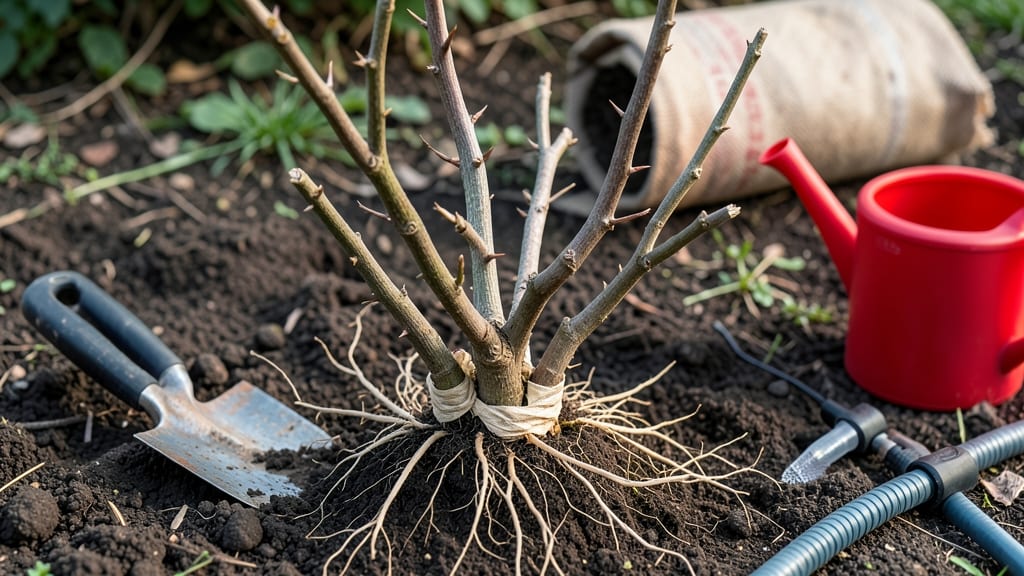
Timing when to plant bare root roses in Zone 9 could mean the difference between a thriving 🌹 garden and struggling plants. Unlike cooler climates, Zone 9's mild winters and intense summers demand precise scheduling to give roots time to establish before the heat arrives.
Most gardeners in Phoenix or Southern California desert areas assume spring is the only option, but the late winter window (January through early February) offers cooler soil temperatures and consistent moisture—ideal conditions for root growth.
This is when your roses will wake from dormancy without facing summer's brutal heat too soon.
I've seen firsthand how a few weeks' difference can transform a rose's survival rate. Plant too early, and you risk stress from warm soil; too late, and your roses may struggle to adapt before summer's peak.
Let me show you the exact cues to time your planting perfectly for stronger, healthier blooms all season.
We'll cover soil prep, variety selection, and post-planting care tailored to Zone 9's unique climate. Whether you're a beginner or seasoned gardener, these strategies will help you avoid common mistakes that kill bare root roses in our region.
Ideal planting window for bare root roses in Zone 9: months, phases, and soil temps
In Zone 9, the perfect time to plant bare root roses is during the 6-week window from late January through mid-February.
This timing avoids both the residual heat of summer and the rare but possible light frosts that can occur in inland areas like Phoenix or the desert regions of Southern California.
Why this window? Soil temperatures between 55–65°F signal roots to wake from dormancy without stressing the plant. Cooler evenings also reduce transpiration, helping roots establish before the summer heat arrives. Think of it as a gentle wake-up call for your roses.
Here’s the golden rule: Plant when your local soil temperature consistently hovers around 60°F at 4 inches deep. Use a soil thermometer or check the National Weather Service for your microclimate—coastal areas (like San Diego) may be ready 2 weeks earlier than inland deserts.
Moon phases also play a role. Aim for the waxing moon (when the moon is growing brighter) to encourage root growth. The Dark Moon phase in late January or early February aligns perfectly with this window, giving your roses an extra boost.
| Stage | Action | Soil Temp | Moon Phase |
|---|---|---|---|
| Late January | Soak roots, prune canes | 55–60°F | Waxing Moon |
| Early February | Plant in amended soil | 60–65°F | Full Moon |
| Mid-February | Mulch heavily, water deeply | 60–65°F | Waning Moon |
For early bloomers like David Austin roses, plant on the earlier side of this window (late January) to give them time to establish before their spring flush. Knock Out roses, which are more heat-tolerant, can handle the later end (mid-February) without stress.
If you miss this window, don’t panic—early March is still viable, but be prepared to shade young plants during peak afternoon sun (12–3 PM) to prevent heat stress. Just avoid planting after March 15, as summer’s intensity will outpace root growth.
Pro tip: Test your soil’s readiness by digging a 6-inch hole and checking the temperature with a thermometer. If it’s below 55°F, wait a few days. If it’s above 65°F, delay planting until evening temps drop. Patience here means stronger roots and bigger blooms later.
Remember, Zone 9’s microclimates vary wildly—coastal areas like Santa Barbara may see softer winters, while inland Palm Springs can still have chilly nights. Always check your local frost dates (yes, even in Zone 9!) and adjust accordingly.
Once you’ve nailed the timing, the next step is soil prep—but that’s a story for the next section. For now, mark your calendar for that waxing moon in February and get ready to plant!
Ideal planting window for bare root roses in Zone 9: months, phases, and soil temps
In Zone 9, where winters are mild and summers scorching, the perfect window for planting bare root roses is a narrow 6-week span from late January through February. This timing lets roots establish before summer heat arrives, while avoiding the post-holiday rush of nurseries.
Your goal is to plant when soil temperatures hover between 55–65°F. Use a soil thermometer (inserted 4" deep) to confirm—cooler temps delay root growth, while warmer soils speed up hydration needs. Morning planting is ideal to reduce water stress on freshly transplanted roots.
🌱 Pro Tip: Check your local microclimate. Coastal Zone 9 areas (like Santa Barbara) may plant a week earlier than inland desert zones (like Phoenix), where hotter soils arrive sooner.
| Stage | Action | Key Details |
|---|---|---|
| Late January | Soil Prep | Amend clay-heavy soil with compost; aim for pH 6.0–6.5. |
| Mid-February | Planting Window | Soil temp 55–65°F; avoid moon phases with heavy rain. |
| Early March | Post-Planting Care | Deep water 2x/week until new growth appears. |
For early bloomers (like David Austin roses), prioritize planting by late January to give roots time to establish before their first flush of flowers. Late bloomers (such as Knock Out roses) can wait until mid-February without sacrificing vigor.
Watch for local frost advisories, even in Zone 9—unexpected 32°F nights can occur in high-desert areas. If frost is forecasted, delay planting until after the cold snap. Mulch heavily post-planting to insulate roots if temps dip.
💧 Critical Tip: Never plant during extreme heat waves (above 80°F). Roots dry out too quickly, and transplant shock becomes deadly. If summer arrives early, opt for container planting to control soil temperature.