
Plants
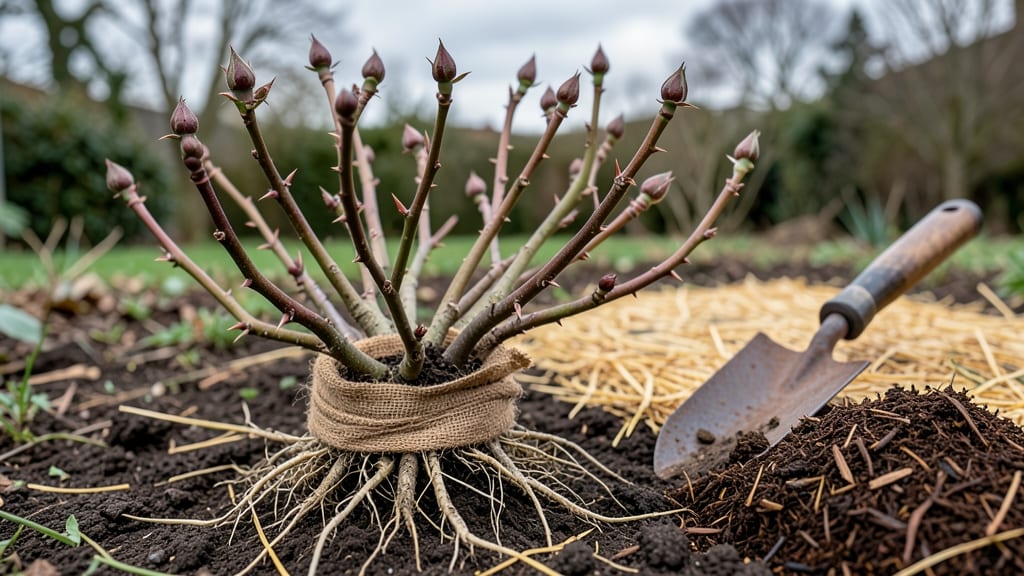
Timing when to plant bare root roses in Zone 6 could mean the difference between a lush, blooming shrub and a struggling one that never quite thrives.
The perfect window—when soil is cool but workable—isn’t just about the calendar; it’s about matching your roses’ chill-hour needs with your local climate.
Most gardeners in Zone 6a/6b know the general rule: plant in late fall or early spring. But here’s the catch—too early, and frost can damage tender roots; too late, and your roses won’t establish before summer heat hits.
I’ll break down the exact months (and soil cues) to plant for strongest blooms and fewer headaches.
You’ll also discover how to read your soil’s readiness—because temperature matters just as much as the date. Whether you’re a first-time planter or a seasoned gardener, these insights will help you avoid common mistakes and set your 🌹 roses up for success from day one.
Ready to transform your garden? Let’s dive into the science behind Zone 6 planting and how to align it with your roses’ natural rhythms for a showstopping display.
Zone 6 bare root rose planting timeline: chill-hours explained
Zone 6 gardeners know timing is everything when planting bare root roses. The key to success lies in understanding chill-hours, which are the cumulative hours your roses need below 45°F (7°C) to break dormancy.
For Zone 6, aim for 400-800 chill-hours—this ensures your roses emerge strong and healthy when spring arrives.
In Zone 6, late fall to early spring is your best window. Planting too early risks frost damage, while waiting too long means missed root establishment before summer heat hits. Let’s break down the exact months and conditions to align with your roses’ natural cycle.
🌹 Chill-Hours and Planting Windows
| Planting Window | Chill-Hours Accumulated | Soil Temp | Key Action |
|---|---|---|---|
| Late October - November | 400-600 hours | 40-50°F (4-10°C) | Plant before ground freezes |
| February - Early March | 600-800 hours | 45-55°F (7-13°C) | Ideal for root growth |
| April (after last frost) | 800+ hours | 55-65°F (13-18°C) | Last chance for strong blooms |
If you plant in late fall (October-November), your roses will establish roots before winter dormancy. This gives them a head start in spring. However, avoid planting if the ground is frozen or waterlogged—roots need oxygen to grow!
For spring planting (March-April), wait until the soil is workable (around 50°F/10°C) but before new growth begins. In Zone 6, this typically falls between mid-March and mid-April, just after the last average frost date. Use a soil thermometer to check—55°F (13°C) is ideal.
Pro tip: If you’re unsure about chill-hours, check your local USDA Zone 6a/6b records. Many nurseries provide chill-hour data for their rose varieties, so ask before you buy! This ensures you’re matching the right rose to your climate.
Once you’ve nailed the timing, focus on soil preparation. Zone 6 soils can be heavy clay or sandy loam—amend with compost and organic matter to improve drainage and microbial activity. This sets the stage for robust root development, no matter when you plant.
Remember, bare root roses are dormant when you plant them. They won’t show immediate growth, but the roots will start spreading as soon as conditions are right. Patience pays off—by next spring, you’ll see lush foliage and abundant blooms if you’ve planted at the right time!
Zone 6 bare root rose planting timeline: chill-hours explained
In Zone 6, timing your bare root roses isn’t just about avoiding frost—it’s about matching the plant’s chill-hour needs (400-800 hours below 45°F).
This ensures your roses break dormancy naturally and establish strong roots before summer heat arrives. Fall planting (October-November) gives roots time to settle before winter, while spring planting (March-April) lets them grow with the season.
Zone 6’s first frost typically hits by mid-October, but soil temperatures drop earlier.
For fall planting, aim for 6-8 weeks before frost—this gives roots time to knit before winter dormancy. Spring planting should occur when soil temps reach 40-50°F (usually March in most of Zone 6), but not so early that new growth risks frost damage.
Here’s the key: Bare root roses need 400-800 chill-hours to bloom well. Late fall planting (October) often hits this threshold naturally, while early spring planting (February) may require soil warming or delayed planting until March. Miss this window, and you risk weak root systems or delayed blooms.
| Planting Window | Chill-Hours Met | Soil Temp | Zone 6 Timing |
|---|---|---|---|
| Late Fall (Oct-Nov) | 400-800 hours | 40-50°F | Oct 15-Nov 15 |
| Early Spring (Mar-Apr) | 0-200 hours | 50-60°F | Mar 15-Apr 15 |
| Avoid | N/A | Below 40°F | Jan-Feb or post-April |
⚠️ Note: Late spring planting (May+) risks heat stress before roots establish.
If you’re planting in late fall, cover the base with 4-6 inches of mulch to insulate roots during temperature swings.
For spring planting, wait until soil is workable (no longer frozen) but still cool—this prevents early budding that frost can damage. Zone 6b (colder microclimates) may need to delay spring planting by 1-2 weeks compared to Zone 6a.
Pro tip: Use a soil thermometer to confirm temps. Aim for 50°F+ at planting depth (6-8 inches). If soil is too cold, warm it with black plastic mulch for 1-2 weeks before planting. Root establishment is your priority—rushed planting leads to weak stems and fewer blooms.
Remember, bare root roses in Zone 6 thrive when planted during their natural dormancy period.
Fall planting aligns with this cycle, while spring planting requires careful monitoring of soil temps. Miss the window, and you’ll spend next year playing catch-up with pruning and fertilizing to compensate for poor root growth. 🌹