
Plants
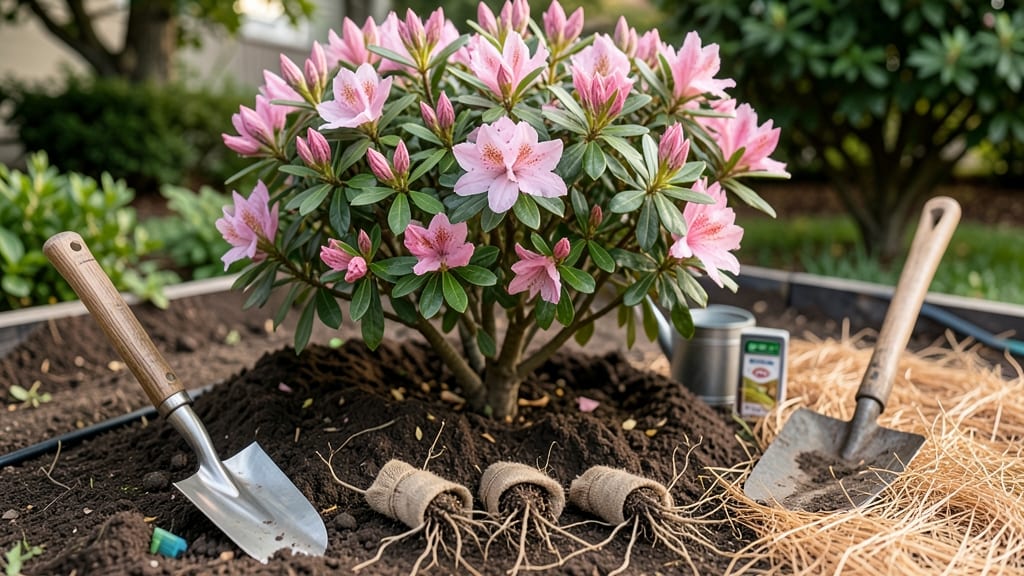
Best planting months for azaleas in Arkansas by chill-hour zones
Arkansas spans USDA Hardiness Zones 6-8, creating distinct chill-hour requirements for azaleas. The 400-1,000+ chill hours rule determines whether your azalea will bloom or struggle. In Zone 7a (north Arkansas), aim for 600-800 chill hours, while Zone 8a (south Arkansas) thrives with 400-600 hours.
Timing isn't just about frost—it's about matching your azalea's dormancy needs with Arkansas' fall temperature drops.
Fall planting (October-November) is ideal because cooler soil temperatures reduce transplant shock while allowing roots to establish before winter. Early spring planting (March) works in warmer microclimates like Little Rock or Hot Springs, but risks late frosts that can damage new growth.
Always check your local chill-hour zone via the USDA Plant Hardiness Zone Map or your county extension office.
Here’s the critical rule: Plant azaleas when soil temps are below 60°F but above freezing. In north Arkansas (Zone 7a), this window is mid-October to early November. In south Arkansas (Zone 8a), extend it to late October—sometimes even early December—since frosts arrive later.
For container-grown azaleas, adjust 2-3 weeks earlier to account for slower soil cooling.
🌸
| Chill-Hour Zone | Best Planting Window | Soil Temp Goal | Key Consideration |
|---|---|---|---|
| 400-600 hours (Zone 8a) | Late October–Early December | 55–60°F | Later frosts; prioritize acidic soil prep |
| 600-800 hours (Zone 7b) | Mid-October–Mid-November | 50–55°F | Balanced frost risk; mulch heavily |
| 800-1,000+ hours (Zone 7a) | Early October–Early November | 45–50°F | Earlier frosts; plant early for root growth |
| All Zones (Container) | 2–3 Weeks Earlier | 55–60°F | Slower soil cooling; use shade cloth if needed |
For early spring planting (March), only attempt it in Zone 8a after the average last frost date (typically March 15). Use frost cloth for the first 2 weeks to protect new growth.
In Zone 7a, stick to fall planting—spring azaleas often struggle to bloom due to insufficient chill hours accumulated.
Pro tip: Verify your chill hours using a chill-hour calculator from your local extension office. For example, Fayetteville (Zone 7b) averages 700 chill hours, while Texarkana (Zone 8a) gets only 500-600 hours. This data helps you select the right azalea variety for your microclimate.
If you’re unsure about your zone, dig a hole, fill it with water, and measure the depth it drains in 1 hour. Clay-heavy soils (common in north Arkansas) drain slower, so plant 1-2 weeks earlier to avoid waterlogged roots.
Sandy soils (like in south Arkansas) dry faster—plant 1 week later to extend moisture availability.
Finally, avoid planting in August or September—this is the worst time for azaleas. High summer temps cause transplant shock, and roots won’t establish before winter. Instead, container-grow azaleas over summer and transplant in fall for the best results.
🌿
How to adjust planting time for Arkansas’ microclimates and soil conditions
Arkansas’ diverse climate means your azalea’s ideal planting window can shift dramatically depending on where you live. In North Arkansas (USDA Zone 6b), early frosts can arrive by November 1, while South Arkansas (Zone 8a) may stay frost-free until mid-November.
Even within cities like Little Rock or Fayetteville, urban heat islands can delay first frosts by 1-2 weeks, giving you extra time to plant.
Soil type also plays a critical role. Clay-heavy soils in the Delta region drain poorly, requiring amendments like pine bark fines to prevent root rot. Meanwhile, sandy soils in the Ozarks dry out faster, needing organic mulch to retain moisture.
Adjust your planting timeline by 2-4 weeks if your soil isn’t ideal—amend first, then plant!
Here’s how to fine-tune your azalea planting for Arkansas’ tricky conditions:
If you’re in Zone 7a or warmer, you can push planting into early December—just monitor forecasts for hard freezes (<20°F). For Zone 6b, stick to October 1-15 to ensure roots establish before winter.
Pro tip: Container-grown azaleas can handle slightly later planting since their roots aren’t disturbed by frost heave.
Remember, acidic soil (pH 4.5-6.0) is non-negotiable for azaleas. Test your soil with a home kit (available at local garden centers like Walmart or Lowe’s) or send a sample to the University of Arkansas Cooperative Extension for a detailed report.
Adjusting your planting time based on these factors ensures your azaleas bloom like crazy next spring!
For gardeners in transition zones (7a-7b), aim for late October—this balances chill hours and frost risk. If you miss the fall window, early March is your next best shot, but be ready to protect new plants from late frosts.
The key is observation: watch your neighbors’ azaleas and local weather patterns to refine your timing each year.