
Plants
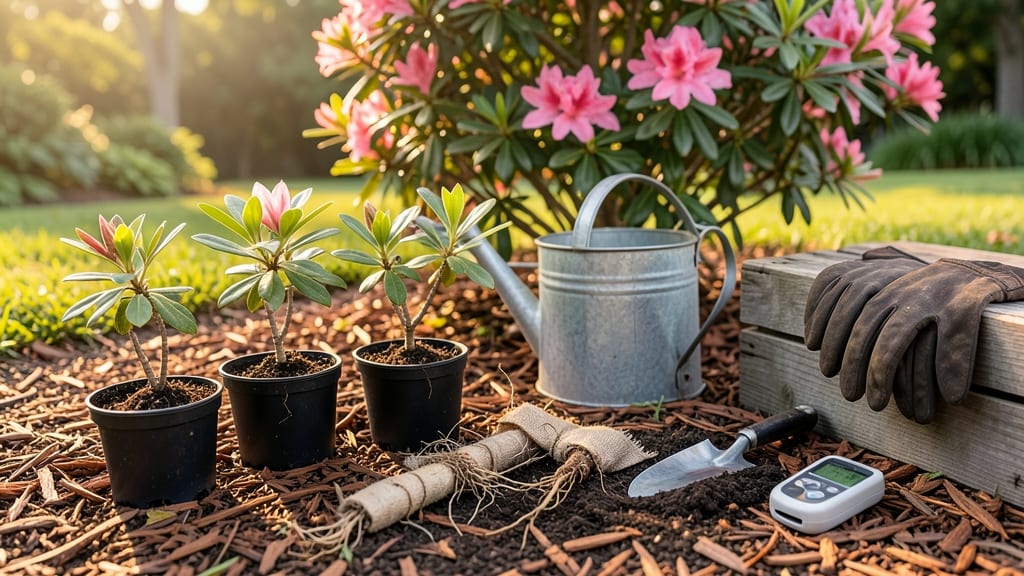
Planting azaleas in Florida isn't just about timing—it's about avoiding the costly mistake of waiting too long or rushing too soon when the soil's still too warm or too cold.
With frost-free zones ranging from 8a to 11, your county's last frost date could mean the difference between thriving blooms and struggling shrubs.
If you've ever wondered why your azalea 🌸 struggled last season, the answer likely lies in the perfect planting window—typically between September and November or early spring. But Florida's unpredictable weather throws a wrench into the plan, especially when North Florida's January frosts clash with South Florida's year-round warmth.
I'll break down exactly when to plant in your specific county, how to check soil readiness, and which azalea varieties handle Florida's extremes best. No more guessing games—just science-backed advice to ensure your azaleas take root and flourish.
Ready to transform your yard into a vibrant azalea display? Let's dive into the ideal months, soil conditions, and care tips tailored just for Florida gardeners.
Best planting windows for azaleas in Florida by soil temperature & county
Timing your azalea planting in Florida isn’t just about avoiding frost—it’s about soil warmth, rainfall patterns, and county-specific microclimates. Unlike northern states, Florida’s USDA zones 8A-11 mean your last frost date could be January 15 in Jacksonville or never in Miami.
The key? Plant when soil temps hit 60°F+ and roots can establish before summer heat or winter chills strike.
Most Florida gardeners swear by fall planting (September-November) because cooler air and moderate rainfall reduce transplant shock. Early spring (February-March) is your second-best window, but avoid planting in peak summer (June-August) when heat stress kills young roots.
Let’s break down the perfect planting months by region to ensure your azaleas thrive.
🌱 Did You Know? Florida’s humidity levels (often 70-90%) mean azaleas need well-draining soil to prevent root rot. If your soil stays soggy, amend with pine bark fines or sand before planting.
If you’re in North Florida, aim for late September to October—this gives roots time to establish before winter chills arrive. In Central Florida, November planting is ideal to avoid summer’s brutal heat.
For South Florida, January-February lets you beat the monsoon season while keeping humidity in check.
Pro tip: Check your local frost dates via the Florida Automated Weather Network (FAWN) or Almanac’s Frost Calculator. In Zone 8A (Panhandle), a late frost in March can still damage young azaleas, so err on the side of earlier fall planting.
For container-grown azaleas, you’ve got a 2-week window longer than bare-root plants. This flexibility lets you shop for native varieties (like Rhododendron austrinum) at local nurseries without rushing. Just remember: acidic soil (pH 4.5-6.0) is non-negotiable—Florida’s native soils are often too alkaline.
🌿 Action Step: Test your soil’s pH with a home kit before planting. If it’s above 6.0, amend with sulfur or peat moss 2-3 months ahead of your planting date.
One common mistake? Planting azaleas in summer’s peak heat. I once saw a newly planted azalea in July wilt within days—the roots simply couldn’t keep up.
If you must plant in summer, do it in early June and shade the area with a 50% shade cloth for the first month.
Finally, consider microclimates. A hilltop
Signs your Florida soil is ready for azalea planting (and what to do if it’s not)
Testing your Florida soil before planting azaleas isn’t just a good idea—it’s essential. Azaleas thrive in acidic, well-draining soil with temperatures above 60°F, but Florida’s unpredictable weather can throw off even the best-laid plans.
The key is checking three critical factors: soil temperature, moisture levels, and drainage. If any of these are off, your azaleas may struggle to establish roots or even survive.
Start by using a soil thermometer to confirm the ground temperature is consistently above 60°F. In North Florida, this usually means waiting until mid-October, while South Florida gardeners can plant as early as early September.
Pro tip: Morning is the best time to check—soil cools overnight, and you want to avoid false readings from afternoon heat.
Next, dig a small hole (about 6 inches deep) and fill it with water. If the water drains within 30 minutes, your soil is well-draining. If it pools or drains slowly, amend with organic matter like peat moss or compost to improve drainage.
Azaleas hate soggy roots, and Florida’s frequent rains can turn your garden into a swamp if you’re not careful.
🌧️ Hurricane season delays: If a storm is forecasted, hold off on planting until conditions stabilize. Wet soil can suffocate roots.
❄️ Unexpected frost: North Florida’s last frost date can vary—check your county’s average (e.g., January 15 in Gainesville). Plant at least 4-6 weeks before the first frost.
💧 Overwatered soil: If your soil stays soggy for more than 24 hours after rain, amend with sand or perlite to improve aeration.
If your soil is too alkaline (pH above 6.0), azaleas will struggle to absorb nutrients. Test your soil’s pH using a home test kit or send a sample to your local extension office.
To lower pH, mix in sulfur or pine needles—both are effective and natural. Avoid lime, which raises pH and is deadly to acid-loving plants like azaleas.
Finally, consider the moisture balance. Azaleas prefer consistently moist but not waterlogged soil. If your area experiences prolonged drought (common in South Florida’s dry season), mulch heavily with pine straw or wood chips to retain moisture.
In contrast, North Florida’s wetter climate may require raised beds or containers to prevent root rot.
Once you’ve confirmed your soil is ready, plant your azaleas on a cloudy day or in the late afternoon to reduce transplant shock. Water deeply right after planting to settle the soil and encourage root growth.
With the right prep, your azaleas will reward you with vibrant blooms for years to come.