
Plants
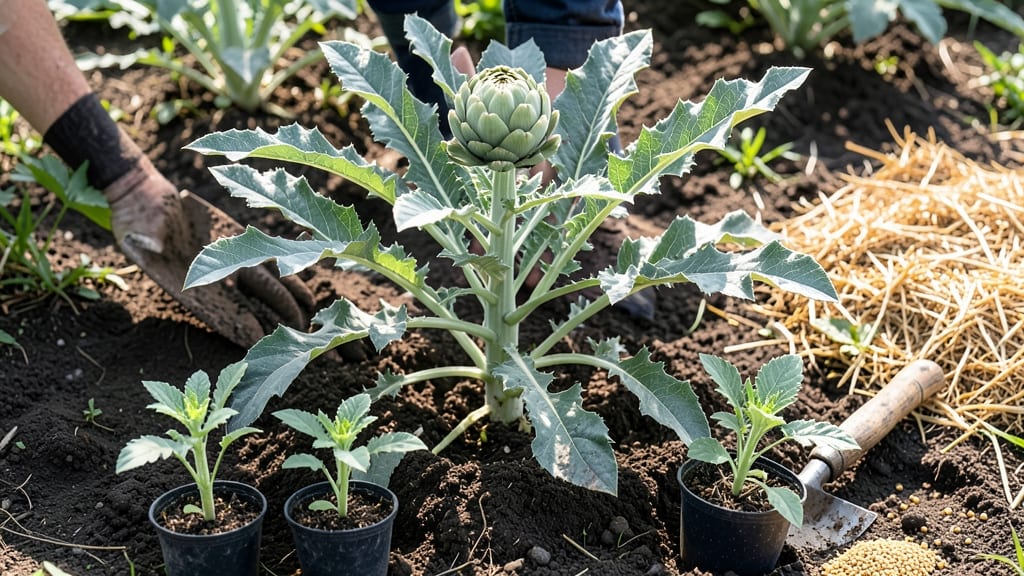
Planting artichokes in Texas can feel like a high-stakes gamble—get the timing wrong, and you're staring at bolted plants instead of a harvest. The key to success lies in understanding your specific heat zone and working with Texas' unpredictable climate, not against it.
Fall planting between September and November is your best bet for most of Texas, especially in zones 8a-10b, where cooler temperatures help prevent premature bolting. But don't overlook spring planting either—February through March can work wonders if you're in South Texas or a coastal area with milder winters.
What makes Texas artichoke growing tricky is the heat. Too much sun too soon can send your plants into early flowering mode, leaving you with no harvest.
I'll show you how to read your local microclimate—whether you're in North Texas or the Rio Grande Valley—and adjust your planting schedule accordingly.
Ready to turn your Texas garden into an artichoke powerhouse? Let's dive into the exact planting windows, soil prep secrets, and heat-management hacks that'll have you harvesting plump, tender buds instead of fighting bolted stalks.
Texas heat-zone planting calendar for artichokes (avoid bolting!)
Texas' diverse climate—from the Panhandle's chill to the Rio Grande Valley's heat—means one planting strategy doesn't fit all. The key to avoiding bolting (when artichokes flower prematurely) is matching your USDA zone with the right planting window.
For most of Texas, fall planting between September and November is ideal, but spring options exist for warmer regions.
Artichokes thrive in zones 8a-10b, but their sensitivity to heat stress means timing varies. In North Texas (8a-9a), cooler nights help plants establish roots before winter, while South Texas (10a-10b) gardeners can push spring planting later.
Let’s break down the best planting months for each zone to maximize your harvest.
Notice how South Texas (10a-10b) has a spring planting option? That’s because the milder winters allow artichokes to establish before the summer heat peaks. In contrast, North Texas (8a-9a) relies heavily on fall planting to avoid bolting when temperatures climb above 85°F.
For coastal areas like Corpus Christi or Galveston, you can push planting 2-3 weeks later than inland zones due to the moderating ocean breezes.
Urban gardeners in Dallas or Austin should monitor heat islands—concrete and pavement can raise soil temperatures by 5-10°F, so plant earlier or use shade cloth.
Artichokes need 60-65°F soil temperatures to germinate, but once established, they handle Texas heat better than most vegetables. The trick is to time your planting so the plants mature before the summer solstice (June 21), when days grow too long and trigger bolting.
For fall-planted artichokes, aim for harvest by May; for spring-planted ones, harvest before August.
Pro tip: Use a soil thermometer to confirm temperatures before planting. If your soil runs hotter than 80°F, wait until evening to plant or use shade cloth for the first 2-3 weeks to help seedlings establish.
This small adjustment can mean the difference between a bountiful harvest and a wasted crop.
In North Texas, where frost can hit as early as November 15, plant Green Globe varieties—they’re the most cold-hardy and can tolerate light frosts. In South Texas, opt for Imperial Star or Romanesco types, which handle heat better but need consistent moisture to avoid bud drop.
Remember: Artichokes are biennial, meaning they produce buds the first year and flower the second. In Texas, most gardeners treat them as annuals because the second-year heat often kills them off. Plan accordingly—focus on first-year harvests
How to extend your artichoke season in Texas (tips for success)
Texas summers can be brutal for artichokes, but with the right strategies, you can push your harvest window by 3-4 months. The key is balancing heat tolerance, water management, and variety selection to keep plants productive longer.
I’ve grown artichokes in San Antonio (Zone 8B) and Dallas (Zone 8A)—here’s what works.
Start with heat-tolerant varieties like ‘Green Globe’ or ‘Imperial Star’, which handle Texas heat better than traditional types. These varieties mature faster (120-140 days) and produce earlier buds, giving you a head start in the season.
Pair them with succession planting every 2-3 weeks to stagger harvests.
🌱 Pro Tips for Extending Your Season
- 1. Use shade cloth (30-50%) during peak summer months (June-August) to reduce stress. Hang it 3-4 feet above plants to avoid blocking airflow.
- 2. Mulch heavily with 3-4 inches of straw or wood chips to retain moisture and cool roots. Replenish after heavy rains.
- 3. Water deeply in the morning (before 8 AM) using drip irrigation to avoid fungal diseases. Aim for 1-2 gallons per plant weekly.
- 4. Harvest aggressively—removing buds promptly encourages more production. Use a sharp knife to cut stems cleanly.
- 5. Try container growing for urban gardeners. Large pots (15+ gallons) let you move plants to shadier spots during heatwaves.
For fall-planted artichokes, focus on soil preparation in late summer. Amend your soil with compost and aged manure to boost fertility, and plant 8-10 weeks before the first frost (typically mid-September to early November in most of Texas). This gives roots time to establish before winter chill sets in.
If you’re in South Texas (Zones 9A-10B), you can even try winter planting! Sow seeds in December or January for a spring harvest (March-May). Just ensure your soil stays above 60°F—use row covers if nights dip below that.
Don’t forget to prune regularly to improve airflow. Remove yellowing leaves and side shoots to redirect energy to bud production. I prune mine every 4-6 weeks during the growing season, and it’s made a noticeable difference in yield.
With these techniques, I’ve extended my artichoke season from just 2 months to up to 6 months in ideal years. The secret? Adaptability—watch your plants, adjust your approach, and don’t be afraid to experiment with timing. Your Texas garden will thank you with bountiful, homegrown artichokes! 🌿