
Plants
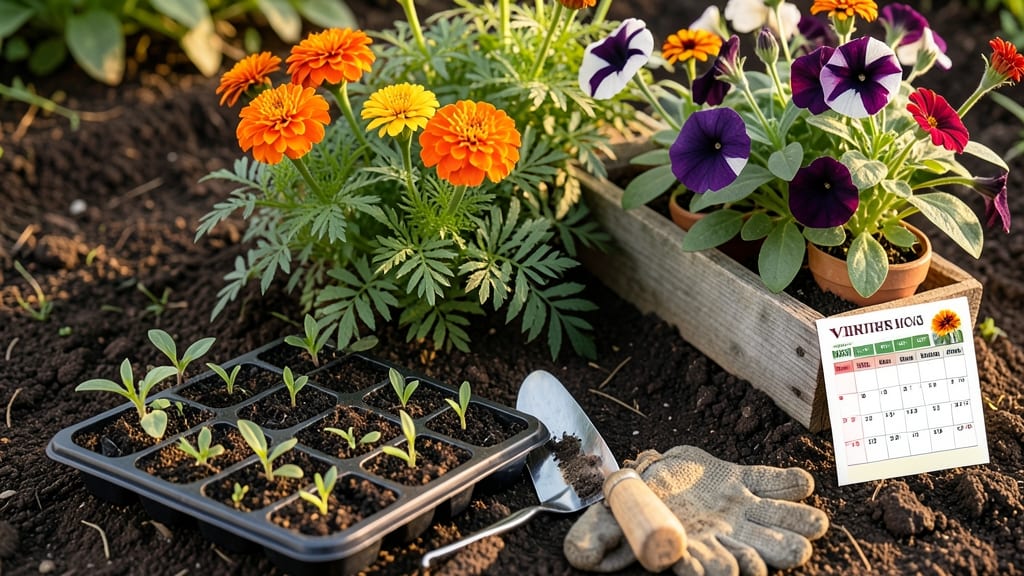
Timing your annuals planting in Virginia can mean the difference between a vibrant garden and a frost-killed disappointment—especially when coastal breezes and inland heat play tricks on your schedule. Whether you're dreaming of marigolds blazing in summer or pansies braving early spring, getting the dates right is the key to success.
Virginia’s climate varies wildly from the cooler coastal areas to the warmer inland zones, making a one-size-fits-all approach risky. I’ve dug into the data to help you navigate these differences, so you can plant with confidence—no more guessing games or lost blooms.
Let’s break down the perfect windows for your region.
You’ll discover how to read your local microclimate like a pro, adjusting planting times by weeks depending on whether you’re near the Chesapeake Bay or nestled in the Piedmont. Plus, I’ll share proven strategies to stretch your growing season, whether you’re using row covers or strategic container gardening.
Ready to turn your garden into a year-round showstopper? By the end, you’ll know exactly when to pop those 🌱 annuals in the ground—no frost surprises included.
Virginia’s frost zones & optimal planting windows by region
Virginia spans USDA zones 6b through 8a, meaning frost dates vary wildly from the coastal plains to the mountain valleys. In zone 6b (e.g., Roanoke), average last frost arrives April 15, while zone 8a (e.g., Norfolk) sees frost-free soil by March 1.
These differences dictate when to plant cool-season annuals like pansies versus warm-season favorites such as marigolds.
For cool-season annuals (pansies, snapdragons, sweet alyssum), plant 6-8 weeks before your last frost date. In zone 7a (Richmond), that’s mid-February, but in zone 6b, wait until late March.
Warm-season annuals (basil, cosmos, petunias) need soil temperatures above 60°F, typically after May 10 in most regions.
Urban heat islands in cities like Alexandria can push frost dates 1-2 weeks earlier than rural areas, while elevated mountain gardens (e.g., Blacksburg) may face late-May frosts. Coastal areas like Virginia Beach often enjoy warmer microclimates due to ocean moderation, allowing earlier planting of heat-loving annuals.
Here’s how Virginia’s regions break down for annual planting windows, including exceptions for microclimates:
For coastal Virginia, where ocean breezes delay frosts, you can plant warm-season annuals like tomatoes as early as April 1 in protected microclimates. Conversely, mountain regions often face late-spring frosts, so delay planting heat-sensitive annuals until after Memorial Day.
Always check local frost records from the Virginia Cooperative Extension or Almanac for your exact location. Even within 50 miles, frost dates can shift by 2 weeks.
For example, Charlottesville (zone 7a) typically sees its last frost April 10, while nearby Culpeper (zone 7b) averages April 5.
If you’re unsure about your microclimate, observe nearby cherry blossoms or daffodils—when they bloom consistently, it’s a sign the frost risk has passed for cool-season annuals. For warm-season plants, wait until nighttime temperatures stay above 50°F for 5 consecutive days.
Pro tip: Use frost-sensitive annuals like impatiens as a frost indicator. If they survive overnight, your warm-season planting window has officially opened.
Microclimate adjustments: how to plant 2-4 weeks earlier (or later) without risking frost
Virginia’s microclimates can shift your planting window by 2-4 weeks—whether earlier or later—without frost damage. Urban heat islands, south-facing walls, or low-lying areas create pockets where tender annuals like basil or marigolds thrive outside the average frost-free dates. The key? Understanding how to leverage these microclimates safely.
For example, a south-facing wall in Richmond can warm soil 5-10°F warmer than open ground, allowing you to plant warm-season annuals like cosmos or zinnias 2 weeks earlier than the USDA zone 7b average. Meanwhile, low-lying areas or shaded spots may need delayed planting to avoid late frosts.
Here’s how to identify and use your microclimates effectively:
🌡️ Microclimate Planting Adjustments
To test your microclimate, use a soil thermometer—most annuals need soil temps above 55°F for warm-season varieties and 40°F for cool-season plants like pansies. For example, basil seeds won’t germinate below 60°F, so wait until your microclimate hits that threshold.
If you’re pushing the limits, row covers or cold frames can add 4-8°F protection, letting you plant marigolds or zinnias as early as mid-April in zone 7a. Just remove covers when temps rise above 70°F to prevent overheating.
For coastal Virginia, where humidity delays frost, you might plant warm-season annuals like petunias or salvias 1-2 weeks later than inland areas. Always monitor local weather forecasts—late spring frosts are the biggest risk!
Pro tip: Group heat-loving annuals near dark-colored surfaces (like pavement or mulch) to create your own microclimate. This trick can shave off critical 1-2 weeks of waiting time for your garden to wake up.