
Plants
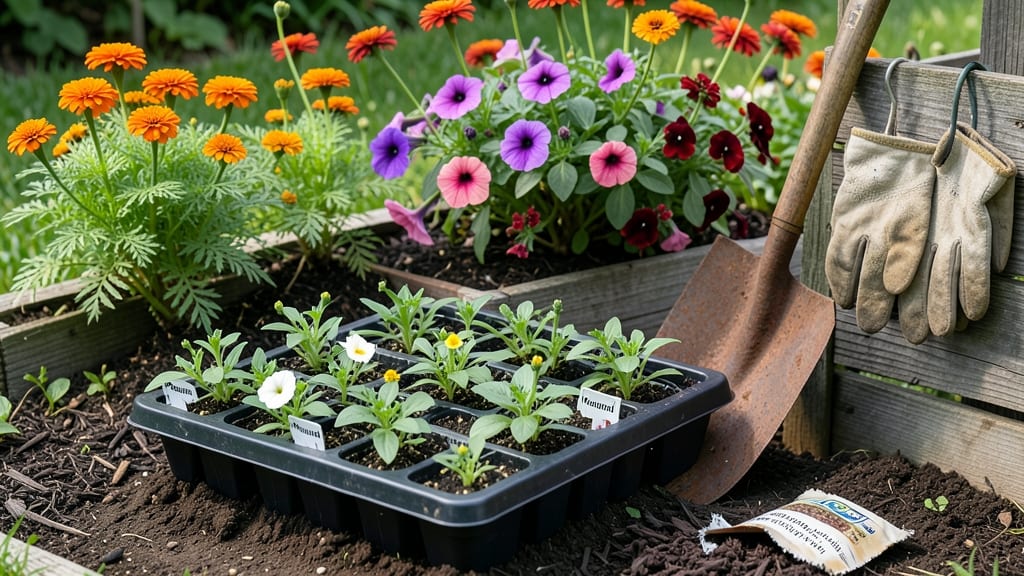
Timing your annuals planting in Ohio can mean the difference between a vibrant garden and a frost-killed disappointment. With Ohio’s 6a-6b climate, knowing exactly when to plant—whether it’s 4-6 weeks before last frost or after—is the key to success.
Picture this: you’ve spent weeks nurturing seedlings indoors, only to rush them outside too early and watch them wilt under a surprise frost. Or worse, you plant too late and miss the spring blooms you’ve been dreaming of.
The good news? With the right schedule, you can avoid these pitfalls and enjoy 🌸 marigolds in July or crisp lettuce by June.
In this guide, I’ll break down the exact weeks to plant everything from cool-season favorites like spinach to heat-loving tomatoes.
Whether you’re a first-time gardener or a seasoned pro, these tips will help you sync your planting with Ohio’s unpredictable weather—so you can enjoy a garden that thrives all season long.
Ready to turn your garden into a showstopper? Let’s dive into the perfect planting windows for every type of annual, so you can start strong and finish with a bang.
Ohio annual planting schedule by frost dates: cool vs. warm season varieties
Ohio’s last frost date typically falls between April 15 and May 15, but this can vary by microclimate. For cool-season annuals like lettuce or pansies, you can start planting 4–6 weeks before your expected last frost.
Warm-season varieties like tomatoes or basil need to wait until 2 weeks after the last frost when soil reaches 60°F+.
In northern Ohio, where frosts linger longer, aim for late April to early May for warm-season plants. Southern Ohio gardeners can plant 2 weeks earlier—around mid-April—thanks to milder conditions.
Always check your local USDA Zone 6a–6b for precision, as even small shifts in timing can mean the difference between thriving plants and frost damage.
Here’s a quick rule of thumb: Cool-season annuals (e.g., spinach, kale) thrive when soil temps are 50–60°F, while warm-season varieties (e.g., marigolds, peppers) need 70°F+ soil to germinate properly. Skipping this step often leads to stunted growth or failure to sprout.
| Plant Type | Planting Window | Soil Temp Requirement | Notes |
|---|---|---|---|
| Cool-Season Annuals | 4–6 weeks before last frost (March–April) | 50–60°F | Examples: Lettuce, Spinach, Pansies, Kale |
| Warm-Season Annuals | 2 weeks after last frost (May–June) | 70°F+ | Examples: Tomatoes, Peppers, Basil, Marigolds |
| Heat-Tolerant Annuals | June–July (after soil warms) | 75°F+ | Examples: Okra, Sweet Potatoes, Zinnias |
| Fall-Planted Annuals | 6–8 weeks before first frost (August–September) | 60°F+ | Examples: Kale, Radishes, Pansies |
For vegetable gardeners, timing is critical—planting tomatoes or peppers too early can stunt their growth, while basil or cucumbers may bolt if exposed to frost. A simple trick? Use a soil thermometer to confirm temps before planting warm-season varieties.
If your soil is still chilly, opt for container gardening near your home’s foundation, where heat radiates and warms the roots faster.
Ohio’s first frost typically arrives around October 15, but you can extend your growing season for fall annuals by planting 6–8 weeks before this date. Fast-growing varieties like radishes or bush beans are perfect for this window, as they mature quickly and tolerate cooler temps.
Always choose cold-hardy varieties labeled for your zone to maximize success.
Pro tip: Direct sow cool-season crops like carrots or beets as soon as soil is workable in early spring. For warm-season plants, start seeds indoors 4–6 weeks before your last frost date to give them a head start.
This indoor jumpstart ensures your tomatoes or peppers are robust enough to handle Ohio’s unpredictable spring transitions.
If you’re unsure about your exact last frost date, check the Old Farmer’s Almanac or your local Cooperative Extension Service for hyper-localized data. Even a 1–2 week delay can mean the difference between a lush garden and a failed crop.
For example, planting marigolds too early in northern Ohio might result in frost damage, while waiting too long could shorten their blooming season.
Don’t forget about succession planting! For continuous harvests, sow lettuce or bush beans every 2–3 weeks throughout the spring and summer. This strategy ensures you’re always enjoying fresh produce, even as older plants bolt or mature. It’s a game-changer for maximizing your
How to adjust planting times for Ohio’s microclimates and soil temperatures
Ohio’s last frost date hovers around April 15, but your local microclimate can shift planting windows by 2–4 weeks. Urban areas like Columbus often warm faster than rural zones, while northern Ohio’s Zone 6a regions may need extra patience.
Always check a soil thermometer—warm-season crops like tomatoes need soil at 60°F+ before planting.
If you’re in a warmer microclimate (e.g., near a south-facing wall or pavement), you might plant marigolds or basil as early as late April. Conversely, northern Ohio gardeners should wait until mid-May to avoid frost damage. Row covers can push back dates by 2–3 weeks if frost threatens.
🚨 CRITICAL: Never plant warm-season annuals before soil warms—cool soil stunts roots and invites disease. Test soil temps at 6 inches deep in the morning for accuracy. Cold frames or black plastic mulch can help heat soil faster in cooler areas.
⚠️ Microclimate Mistakes to Avoid
- Planting too early in cool microclimates—frost kills seedlings overnight.
- Ignoring soil temps—50°F soil is too cold for cucumbers or peppers.
- Skipping row covers in late spring—one frost can wipe out basil or petunias.
Pro Tip: Use a mini greenhouse for warm-season starts in Zone 6a to extend your season by 3–4 weeks.
For fall planting, aim to sow 4–6 weeks before your first frost (around September 15). Cosmos and zinnias are frost-tolerant and can handle light frosts, while basil and tomatoes must be pulled before October 1. Succession planting every 2 weeks ensures continuous blooms or harvests.
If your garden sits in a shady microclimate, opt for partial-shade annuals like impatiens or coleus, which thrive with 3–6 hours of sun. Mulch heavily to retain moisture—shady soil dries slower but stays cooler. Drip irrigation helps maintain consistent moisture without overwatering.
Ohio’s short growing season (about 165 frost-free days) demands smart planning.
Use heat-loving annuals like sunflowers or okra for summer blooms, and cool-season crops like kale or pansies for fall color. Adjust planting dates by 1–2 weeks based on your yard’s exposure—south-facing beds get a head start!