
Plants
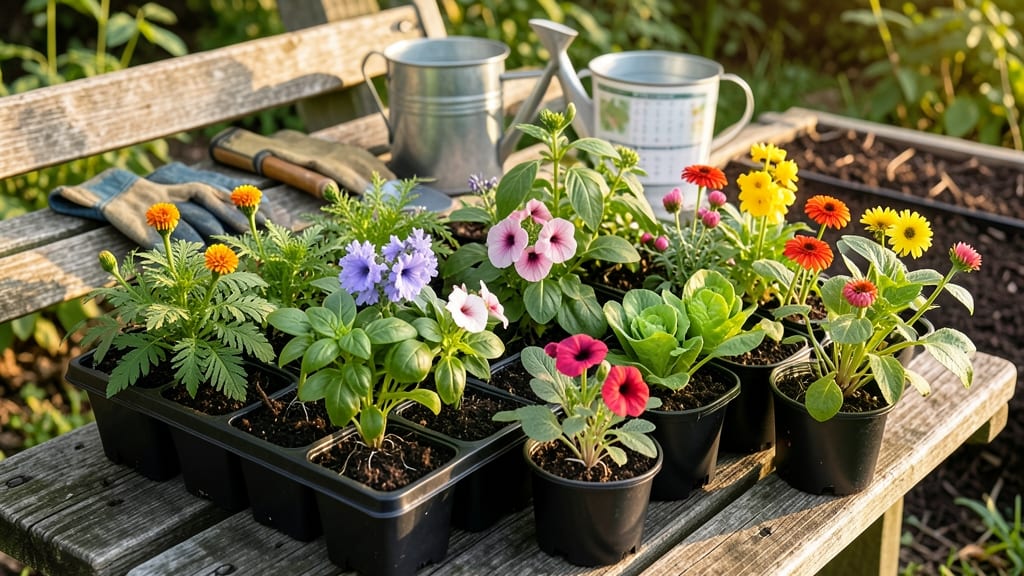
Timing your annuals planting in Maryland can mean the difference between a showstopping garden and a sad, frost-nipped disappointment. With USDA zones 7a-8a and unpredictable spring weather, knowing the exact windows is everything.
I’ve learned the hard way—planting too early in April can leave your 🌸 petunias or sunflowers as icy casualties. But get it right, and you’ll enjoy blooms from May through October. Let’s break down the perfect planting schedule so your garden thrives all season long.
Maryland’s frost dates shift from April 15 in the north to later in the south, but the key is waiting for consistent warmth. Whether you’re sowing cool-season veggies or heat-loving flowers, I’ll show you how to align your planting with Maryland’s climate—no guesswork needed.
Ready to transform your garden into a year-round paradise? By the end of this guide, you’ll know exactly when to plant, what to grow, and how to protect your annuals from frost—so you can enjoy vibrant blooms and bountiful harvests all season.
Maryland’s frost dates by zone: the exact weeks to plant annuals
Maryland’s USDA zones 6b-7a mean your last frost date can vary by 2-3 weeks depending on location. In Baltimore (zone 7a), the average last frost is around April 15, while Ocean City (zone 7b) typically sees frost-free conditions by March 25.
For cool-season annuals like lettuce or pansies, you can plant as early as March 1 in zone 7a, but wait until April 1 for warm-season favorites like tomatoes or marigolds.
Timing is everything—plant too early, and a late frost will kill tender seedlings. Plant too late, and your summer blooms will arrive after the heat sets in.
Maryland’s first frost usually hits October 15-30, giving you a 180-day growing season for most annuals. Use this window wisely to maximize blooms and harvests.
| Zone | Last Frost Date | Plant Cool-Season Annuals | Plant Warm-Season Annuals | Fall Planting Window |
|---|---|---|---|---|
| 6b (Western MD) | April 20 | March 15 – April 10 | May 1 – May 15 | August 15 – September 15 |
| 7a (Baltimore) | April 15 | March 1 – April 1 | April 20 – May 10 | August 1 – September 10 |
| 7b (Eastern MD) | April 5 | February 28 – March 15 | April 10 – April 25 | July 20 – August 20 |
For zone 6b, where frosts linger longer, start cool-season annuals like spinach or snap peas in early March under row covers. In zone 7a, you can push the envelope with cold-hardy flowers like pansies or calendula as early as February if you use greenhouse protection.
Always check the Maryland Climate Hub for real-time updates, as microclimates (like urban heat islands) can shift frost dates by 1-2 weeks.
Warm-season annuals like tomatoes, peppers, and marigolds need soil temperatures above 60°F to thrive. In Maryland, this typically aligns with late April to early May in zone 6b and mid-April in zone 7a. Use a soil thermometer to confirm—planting too soon in cold soil stunts growth and invites disease.
Fall planting is your second chance for annuals! Heat-tolerant varieties like cosmos or zinnias can handle late summer heat, while cool-season bloomers like asters or sweet alyssum thrive when planted in August.
Aim for a 6-8 week bloom cycle before the first frost. In Ocean City (zone 7b), you can even squeeze in a late-September planting of pansies or kale for winter color.
Pro tip: Succession planting every 2-3 weeks ensures a continuous harvest of vegetables or cutting flowers. For example, sow bush beans on May 1, May 15, and June 1 to enjoy pods through September. This strategy works for all Maryland zones and maximizes your garden’s potential.
Remember, Maryland’s elevated humidity and summer heat can stress plants, so always pair your planting timeline with proper watering and mulching. A 3-inch layer of mulch retains moisture and regulates soil temperature, giving your annuals the best shot at success.
🌱
For extra precision, bookmark the Maryland Department of Agriculture’s Frost Date Map or sign up for local weather alerts from the National Weather Service. These tools will notify you when it’s truly safe to plant, saving you from the heartbreak of a late-March frost wiping out your early petunia seedlings. With these frost dates locked in, you’re ready to dive into season-specific annual recommendations—next, we’ll cover the best plants for Maryland’s short vs. long seasons.
Best annuals for Maryland’s short vs. long seasons: what to plant when
Maryland’s 180-day growing season demands strategic choices—some annuals thrive in the cool spring, while others demand summer heat. I’ve grown everything from frost-hardy pansies to heat-loving sunflowers in Maryland’s zones, and here’s what works best when.
Start with cool-season stars in early spring, then transition to warm-season powerhouses as temperatures rise.
For early spring (March-April), prioritize cold-tolerant annuals like pansies, snapdragons, and lettuce. These handle Maryland’s 30-50°F nights without protection. In zone 7a (Baltimore), I plant calendula and sweet peas by March 15—they bloom by May, giving you 3 months of color before summer heat sets in.
Here’s my seasonal planting breakdown for Maryland’s annuals:
- 🌱 Early Spring (March-April): Pansies, Snapdragons, Lettuce, Spinach – Plant 4-6 weeks before last frost (zone 7a: March 1; zone 6b: March 15).
- ☀️ Late Spring (May): Marigolds, Zinnias, Basil, Tomatoes – Wait until soil hits 60°F (usually May 1-15 in zone 7a).
- 🔥 Summer (June-August): Sunflowers, Cosmos, Peppers, Okra – These heat-lovers thrive in Maryland’s 80-90°F summers.
- 🍂 Fall (August-September): Asters, Sweet Alyssum, Kale, Pansies – Plant 6-8 weeks before first frost (zone 7a: August 15; zone 6b: September 1).
Pro tip: Fast growers like radishes (30 days) or bush beans (50 days) give you quick rewards, while slow-to-mature sunflowers (90+ days) need early planting. In zone 6b, I stagger tomato plantings every 2 weeks from May 1-15 to extend harvests through September.
Maryland’s humidity can stress some annuals, so choose drought-tolerant varieties like portulaca or lantana for summer containers. For shady spots, impatiens or fuchsias thrive in partial shade (4-6 hours of sun).
Always match your plant’s mature size to its location—tall sunflowers (6+ ft) need back-row placement, while petunias (1-2 ft) work in hanging baskets.
🌼
For fall color, don’t overlook cold-hardy annuals like stock or sweet peas. They’ll bloom until first frost in zone 7a (October 15) and even later in zone 7b. Pair them with mums or ornamental kale for a long-lasting autumn display. Next, we’ll cover pro tips to extend Maryland’s planting season—like using row covers or succession planting to squeeze every possible bloom from your garden.