
Plants
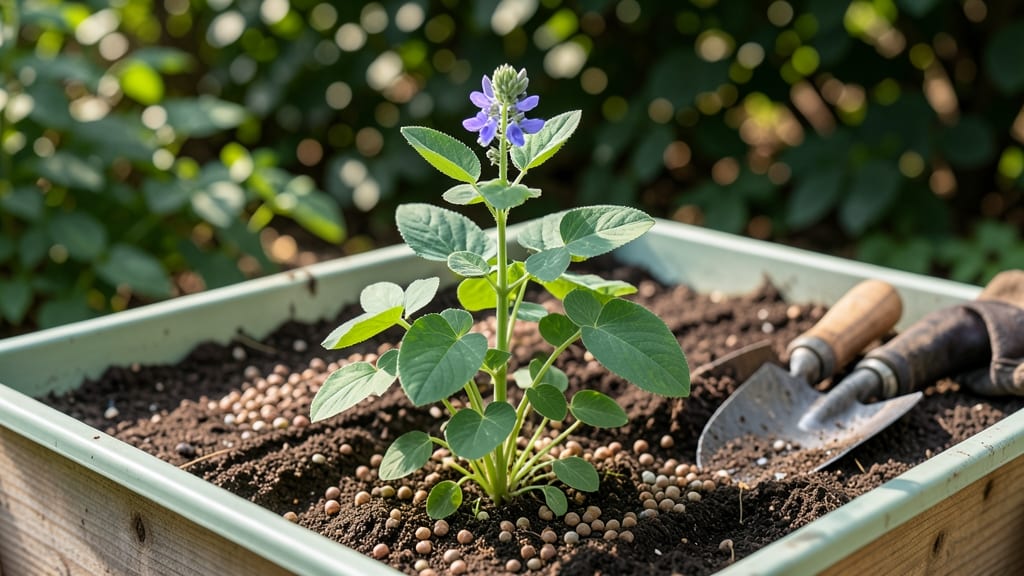
Timing your alfalfa planting in Oklahoma could mean the difference between a lush, high-yield crop and a struggle with stunted growth. The right window—early spring or late summer—lets you take full advantage of the state's 6b-8a climate, where fast germination and drought resilience are key.
Most gardeners in Oklahoma know the frustration of waiting too long to plant, only to watch their alfalfa 🌱 suffer from late frosts or summer heat. But with the proper strategy, you can avoid these pitfalls and set your crop up for success from day one.
Whether you're in the panhandle or the southeastern part of the state, the secrets to optimal timing are simpler than you think.
I’ve tested what works in Oklahoma’s unpredictable weather, and the results speak for themselves: planting at the right time leads to faster establishment and stronger roots.
You’ll discover exactly when to get your seeds in the ground—plus how to adjust for your specific USDA zone—for a forage crop that thrives year after year.
Let’s dive into the best months to plant alfalfa in Oklahoma, so you can enjoy a thriving crop that stands up to the state’s challenges—and delivers the high yields you’re after.
Best planting months for alfalfa in Oklahoma by USDA Zone
Oklahoma’s USDA Zones 6b through 8a create a unique challenge for alfalfa growers. Unlike cooler northern states, Oklahoma’s long, hot summers and mild winters demand precise planting timing to avoid drought stress or frost damage.
The key is planting when soil temperatures hit 50°F (10°C)—this triggers fast germination and strong root development.
For most of Oklahoma, this means early spring (March-April) or late summer (August-September). However, your exact zone matters. Northern Oklahoma (Zone 6b) has a shorter growing season, while southern Oklahoma (Zone 8a) can extend planting into early October.
Let’s break it down by zone to maximize your alfalfa yields.
🌱 Did You Know? Alfalfa seeds need consistent moisture to germinate but can’t handle waterlogged soil. Oklahoma’s spring rains often create this perfect balance—if you plant at the right time!
If you’re in Zone 6b, stick to March 15–April 15 to avoid late frosts. My neighbor in Enid learned this the hard way—he planted in February, and a 28°F freeze wiped out his seedlings.
For Zones 7a and 7b, you’ve got more flexibility, but don’t push it past May 15—alfalfa struggles in Oklahoma’s 100°F+ summers if planted too late.
Southern Oklahoma growers in Zone 8a have the luxury of fall planting (August-September). This strategy lets you harvest before winter sets in. I’ve seen local farms in Lawton use this method to produce two harvests per year—one in spring and one in fall.
Pro tip: Use a soil thermometer to confirm temperatures. Alfalfa seeds won’t germinate below 50°F (10°C), even if the air feels warm. I once planted in early March when the soil was still 45°F (7°C), and my seeds just sat there for two weeks before finally sprouting.
For fastest growth, aim for March-April in most of Oklahoma. But if you miss that window, late summer (August-September) is your next best bet. Just be prepared for drought stress—Oklahoma’s summer heat can dry out young plants quickly. That’s why I always mulch heavily after planting.
Remember, alfalfa is a perennial, so establishing it correctly now means years of forage production. Don’t rush—take the time to get the timing right, and you’ll reward yourself with lush, productive stands for seasons to come. 🌿
How to adjust planting timing for Oklahoma’s unpredictable weather
Oklahoma’s weather can be as unpredictable as a tornado warning on a summer afternoon. Late spring frosts, early summer droughts, or sudden downpours can derail even the best-laid alfalfa planting plans. The key to success? Flexibility and proactive strategies to protect your seeds and seedlings.
Start by monitoring soil temperatures—alfalfa seeds need 50°F (10°C) to germinate, but cooler soils can delay sprouting by weeks.
If your last frost date slips past March 15, don’t panic. Many Oklahoma farmers use seed priming—soaking seeds in water for 12-24 hours before planting—to jumpstart germination. This trick can shave off critical days when waiting for the perfect window.
For areas in USDA Zone 6b, like northern Oklahoma, consider planting hardy varieties like ‘Wichita’ in early February under row covers for extra protection.
Risk: Planting too early in Zone 7a/7b (central/southern OK) can leave seedlings vulnerable to 28°F (-2°C) frosts as late as April 15. Use frost cloth or delay until soil warms to 55°F (13°C) for 5+ days.
Solution: Test soil moisture weekly. If it’s dry or crusty, hold off until rains return. Aim for 1-1.5 inches of water in the top 6 inches before planting to prevent seed desiccation.
For late summer plantings (August-September), Oklahoma’s humidity and heat can stress young seedlings. To mitigate this, plant in early August when daytime highs drop below 90°F (32°C). Use mulch (straw or wood chips) to retain moisture and keep soil temps stable.
If drought looms, irrigate deeply every 5-7 days rather than shallowly daily—alfalfa roots need 12+ inches of depth to establish.
Don’t forget backup planting dates. If spring rains flood your field or summer heat stalls germination, Oklahoma’s fall window (September 15-October 1) offers a second chance. Choose dwarf varieties like ‘Ladak’ for faster establishment before winter dormancy.
Just ensure seeds have 4-6 weeks to grow before first frost—typically November 15 in most zones.
Pro tip: Keep a planting journal to track soil temps, rainfall, and seedling progress. Note which months worked best in your specific Oklahoma microclimate—whether it’s southeastern Oklahoma’s longer growing season or western OK’s earlier frost dates.
Over time, you’ll spot patterns and refine your timing for consistent alfalfa success.
With these adjustments, you’ll turn Oklahoma’s unpredictable weather into an advantage—planting alfalfa at the optimal moment for your location, not just the calendar. 🌱