
Plants
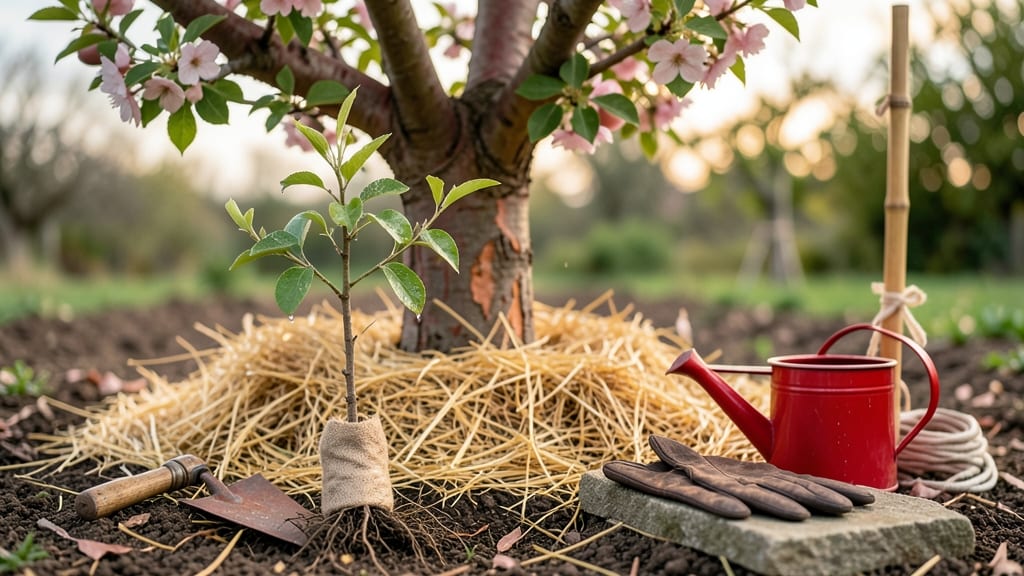
Planting a peach tree in Texas isn’t just about timing—it’s about matching your variety to the state’s unique chill-hour zones to ensure sweet, abundant fruit every season. Get it wrong, and you’ll end up with sparse harvests or no fruit at all.
If you’ve ever dreamed of picking juicy 🍑 straight from your backyard in Texas, you’re not alone—but success starts with knowing when to plant. The late winter window (February through March) gives your tree the best shot at thriving in zones 8a-10a, where chill hours vary dramatically.
Without the right timing, even the hardiest varieties can struggle to set fruit.
I’ve helped gardeners across Texas avoid costly mistakes by choosing the right peach types for their region. Whether you’re in North Texas with cooler winters or South Texas where frost is rare, we’ll break down the best planting schedule—and why soil prep matters just as much as the calendar.
Ready to grow a peach tree that produces year after year? Let’s dive into the exact steps to plant for success, from variety selection to post-planting care tailored to Texas’s climate challenges.
Texas chill-hour zones: how to choose the best peach varieties for your location
Texas spans USDA Zones 8a through 10a, creating dramatic differences in chill-hour requirements across the state. A peach tree’s ability to produce fruit depends on accumulating 300-900+ chill hours (temperatures between 32°F and 45°F) during dormancy. Plant the wrong variety, and you’ll get blooms without fruit or poor yields.
For example, El Paso (Zone 8a) averages 900+ chill hours, while Houston (Zone 9a) sees just 300-500 hours. This means traditional Southern peach varieties won’t thrive in South Texas without special care. Let’s match your location to the perfect peach type.
🌱 Key Insight: Texas gardeners should prioritize low-chill varieties (under 400 hours) for warmer zones, while standard varieties work in North and Central Texas. Always check the chill-hour range on the tree tag before buying.
If you’re in Zone 9a or warmer, consider tropical peach varieties like Tropic Snow, which require only 200-300 chill hours. These trees produce fruit reliably in South Texas heat but may need extra watering and shade cloth during summer.
For North Texas gardeners, standard varieties like Redhaven or Elberta thrive with 500-700 chill hours. These trees bloom later in spring, avoiding late frost damage common in Zone 8a. Always plant after the last frost date (typically mid-February in Dallas).
Pro tip: Use a chill-hour calculator (like the one from Texas A&M AgriLife) to confirm your local chill hours. Many nurseries now label trees with chill-hour ranges, making selection easier. Avoid high-chill varieties in warm zones—they’ll bloom but rarely fruit.
Once you’ve picked the right variety, soil preparation becomes critical. Texas soils often lack organic matter, so amend with compost or aged manure to improve drainage and fertility. Aim for a pH of 6.0-6.5—peach trees hate alkaline soil. Test your soil before planting to avoid costly mistakes.
🌿 Remember: Even the best variety needs full sun (6+ hours daily) and well-draining soil. Skimp on either, and your peach tree will struggle—especially in Texas’s intense summer heat.
Step-by-step planting timeline for Texas peach trees: when to buy, prepare, and transplant
Texas gardeners have a narrow window to plant peach trees successfully—typically between late February and early March—when soil temperatures warm but spring frosts have passed. This timing ensures roots establish before summer heat sets in, giving your tree the best chance to thrive in Texas’ USDA Zones 8a-10a.
For container-grown trees in milder zones (like South Texas), you can plant as early as January, but bare-root trees need dormancy planting.
Your first step is soil preparation. Texas soils often lack organic matter, so amend with 3-4 inches of compost and a balanced fertilizer (10-10-10) mixed into the top 12 inches. Test your soil’s pH—peach trees prefer 6.0-6.5.
If your soil is too alkaline (common in West Texas), add sulfur to lower the pH before planting. This prep work should start 4-6 weeks before transplanting to let amendments settle.
Here’s your month-by-month planting timeline, tailored to Texas’ climate quirks:
- 1 January (South Texas only): Plant container-grown trees in Zone 9b-10a after last frost risk (typically January 1). Avoid bare-root trees this late—they need dormancy.
- 2 February (North & Central Texas): Best time for bare-root trees. Plant before buds swell (mid-February to early March). Soak roots in water for 1-2 hours before transplanting to reduce shock.
- 3 March (All Zones): Final window for container-grown trees. Plant after last frost date (e.g., March 15 in Austin, April 1 in El Paso). Mulch heavily (3-4 inches) to retain moisture and regulate soil temps.
- 4 April (Critical Care Month): Focus on deep watering (1-2 inches per week) and pruning dead branches. Avoid heavy pruning—wait until late winter to shape the tree. Watch for peach tree borers, common in Texas heat.
- 5 May-July (Fruit Development): Reduce watering slightly to every 5-7 days (overwatering causes split fruit). Apply light fertilizer only if leaves show nutrient stress. Thin fruit to 6-inch spacing for larger peaches.
One Texas-specific challenge is heat stress during transplanting. If planting in Zone 9b+, avoid midday heat—transplant in early morning or late afternoon to prevent root damage.
For dwarf varieties (like ‘Redhaven’ or ‘Elberta’), use rootstocks adapted to Texas heat, such as Lovell or Halford, which tolerate the state’s intense summers better than standard rootstocks.
After planting, stake your tree if winds are common in your area (especially in West Texas). Use a tree collar to protect the trunk from girdling, and avoid burying it deeper than it was in the nursery.
In South Texas, shade cloth may help young trees acclimate to summer heat. With this timeline, your peach tree will establish strong roots before Texas’ brutal summer sets in—setting you up for years of sweet harvests.
🌱