
Planting
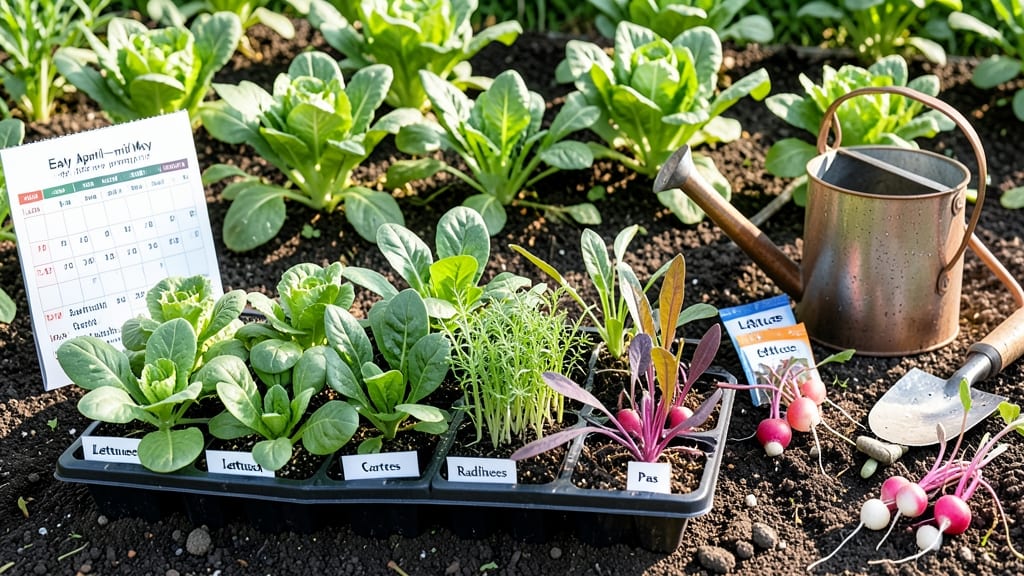
Knowing when to plant a garden in Utah can transform your plot from a frost-bitten experiment into a thriving oasis—especially when you account for the state’s unpredictable swings between desert heat and mountain chill.
With Utah’s 5-8 USDA zones and dramatic temperature shifts, planting too early risks icy surprises, while waiting too long shrinks your growing season. The key? Mastering the late April to early June window for spring crops and August’s second chance for fall planting.
Most Utah gardeners know the basics—wait for soil to warm to 60°F for tomatoes and peppers—but the real trick lies in local microclimates. Salt Lake City’s Zone 6b plays by different rules than St. George’s Zone 8a, where desert heat arrives early.
I’ll break down exactly when to start seeds indoors, transplant seedlings, and which crops thrive in Utah’s short 120-180 frost-free days.
What you’ll discover here are the exact dates to avoid frost damage, how to stretch your season with row covers, and which Utah-specific tips (like water-wise planting) make all the difference.
Whether you’re a first-time gardener or a veteran of the high desert, these strategies will help you grow stronger, more productive 🌱 General Garden Vegetables & Flowers—no matter where you are in the state.
Ready to turn your Utah garden into a year-round harvest? Let’s dive into the planting windows that actually work for your region—and why waiting until the last minute might cost you the season.
Utah’s frost-free planting zones: when to start seeds & transplant in Salt Lake City, provo, and St. george
Utah’s diverse microclimates—from the high-desert valleys of Salt Lake City to the warmer lowlands of St. George—create wildly different planting windows. In Zone 6b (Salt Lake City), last frost typically hits April 10, while Zone 8a (St. George) enjoys frost-free soil by March 15.
These dates dictate when to start seeds indoors or transplant seedlings outdoors to avoid frost damage.
For cool-season crops like spinach and peas, I start seeds 4-6 weeks before the last frost date. In Salt Lake City, that means mid-February, while St. George gardeners can begin early January.
Warm-season plants like tomatoes and peppers need to wait until soil reaches 60°F, which usually aligns with mid-May in northern Utah but early April in southern regions.
The 10-day rule is my secret weapon: start seeds indoors 10 days before your region’s last frost date to ensure seedlings are ready for transplanting. For example, if your last frost is April 10, begin seeds by March 31.
This timing maximizes growth before the growing season peaks in Utah’s short summer.
Altitude adjustments are critical—Logan’s Zone 5 climate delays planting by 2-3 weeks compared to St. George. Always check USDA Zone maps and local extension office data for precise dates tailored to your elevation and microclimate.
| Region | USDA Zone | Last Frost | Start Cool-Season Indoors | Transplant Warm-Season |
|---|---|---|---|---|
| Salt Lake City | 6b | April 10 | Mid-February | Mid-May |
| Provo | 6a | April 15 | Late January | Late May |
| St. George | 8a | March 15 | Early January | Early April |
In northern Utah, where frost lingers longer, I prioritize hardy crops like kale and carrots for early spring planting. These cold-tolerant varieties survive light frosts and give me a head start.
Meanwhile, in southern Utah, the extended frost-free season allows for double cropping—planting fast-growing radishes in early spring, followed by summer squash once soil warms.
For container gardening in urban areas like Park City, I adjust planting dates by 1-2 weeks earlier since containers warm up faster. Place pots near south-facing walls to capture extra heat and extend the growing season.
This trick helps me squeeze in extra harvests before Utah’s first frost in October.
Pro tip: Use row covers to push planting dates 2-3 weeks earlier in spring or extend fall harvests by 4-6 weeks. These lightweight fabrics create a microclimate that protects tender plants from late frosts or early chills.
I’ve successfully grown basil until November using this method in Salt Lake City.
Remember, Utah’s short growing season demands precision. Miss the window by even a few days, and you risk bolting lettuce or blossom-end rot in tomatoes. Always double-check soil temperatures with a thermometer—60°F is the magic number for warm-season starters like peppers and eggplants.
Start with cool-season crops in early spring, then transition to warm-season plants once frost risk passes. This two-phase approach ensures your garden stays productive from April through October. With these region-specific guidelines, you’ll avoid the most common Utah gardening mistakes and enjoy a bountiful harvest.
Best month-by-month planting calendar for Utah gardens: what to sow in March vs. May
Utah’s short growing season demands precision—planting at the right time means the difference between a bountiful harvest and wasted seeds. March kicks off cool-season crops, while May launches warm-season favorites.
Here’s your month-by-month guide tailored to Utah’s microclimates, from Salt Lake City’s Zone 6b to St. George’s Zone 8a.
Start with hardy greens like spinach and peas in early March, then transition to tomatoes and peppers by late April. Utah’s high desert heat arrives fast—wait too long, and your seedlings will bolt or struggle.
Use this calendar as your roadmap to avoid common mistakes like overcrowding seedlings or planting heat-sensitive crops too late.
🌱 Utah Planting Timeline by Month
- March: Start indoor seeds (tomatoes, peppers) 6-8 weeks before last frost. Plant hardy crops outdoors: peas, spinach, lettuce, onions.
- April: Transplant cool-season crops (kale, broccoli) and direct-sow radishes, carrots. Begin hardening off seedlings for May planting.
- May: Plant warm-season staples: tomatoes, peppers, cucumbers, beans, and squash after May 15 (Salt Lake City) or April 15 (St. George).
- June: Succession plant fast growers like bush beans, lettuce, and radishes. Watch for pests (aphids, squash bugs) and mulch heavily.
- July-August: Direct-sow fall crops (spinach, kale) 6-8 weeks before first frost. Harvest summer crops aggressively to encourage production.
- September: Last chance for cool-season crops (broccoli, cabbage). Plant garlic for next year’s harvest.
Utah’s elevation differences create dramatic shifts in planting windows. For example, Logan (Zone 5) can plant cool-season crops 2-3 weeks later than St. George (Zone 8a). Check your local USDA Zone and adjust by 10-14 days if you’re in a higher-altitude area like Park City or Ogden.
Pro tip: Use row covers to extend spring planting by 2-3 weeks for crops like lettuce and spinach. In St. George’s heat, shade cloth (30-50%) protects leafy greens from bolting.
For water conservation, group plants with similar needs—drought-tolerant chiles and squash thrive together, while lettuce needs consistent moisture.
Fall planting is your second chance for a harvest. Start broccoli and cabbage in early August (Salt Lake City) or late July (St. George) to ensure they mature before first frost. Garlic planted in October will naturalize and return year after year—a Utah gardener’s secret weapon.
Remember: Utah’s soil warms quickly in spring. Test your soil temperature—warm-season crops like tomatoes need 60°F+ soil to thrive. Use a soil thermometer to avoid planting too early and shocking your plants.
Pair this calendar with succession planting (e.g., sowing lettuce every 2 weeks) to maximize your harvest window.