
Plants
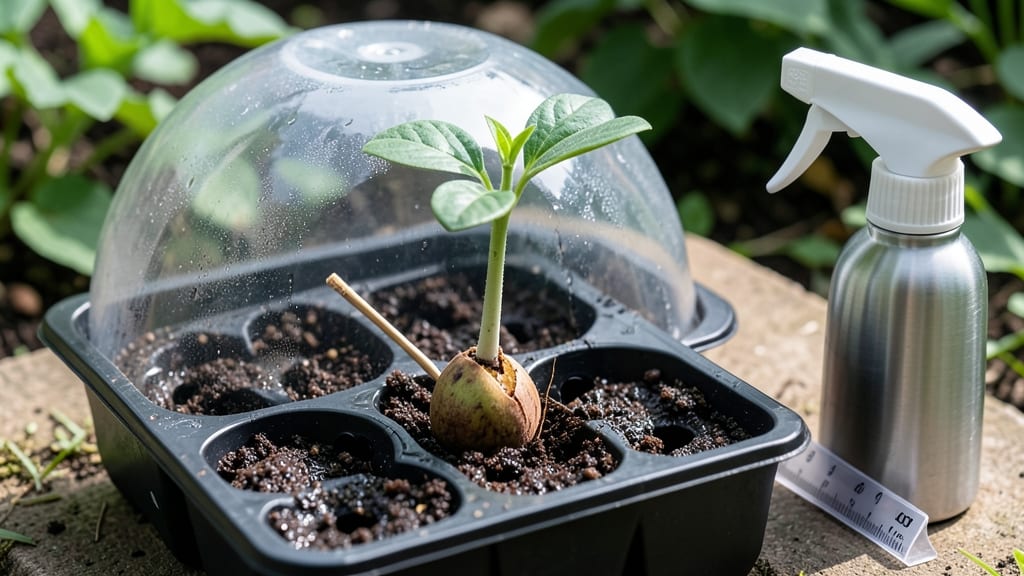
Timing when to plant an avocado seed in the soil wrong could turn your 🥑 experiment into a frustrating wait—months of watching for sprouts instead of seeing lush green growth.
The key isn’t just sticking a seed in soil; it’s about understanding when your climate and seed are truly ready to work together.
For most gardeners in USDA Zone 6a and warmer, the ideal window opens in March–April, right after the last frost. But if you’re growing indoors or in cooler regions, you can start anytime—just mimic those warm, sunny conditions your seed craves.
The secret? Soil that’s warm enough (around 70°F) and consistently moist but never soggy.
I’ve learned the hard way that rushing the process leads to rot or stunted growth. Instead, focus on these three critical cues: soil temperature, frost-free days ahead, and whether your seedling has strong roots before transplanting. Let’s break down exactly how to time it right for your setup.
Whether you’re a patient beginner or a seasoned plant parent, getting this step perfect means faster germination and healthier seedlings. Ready to turn that pit into a thriving 🥑? Let’s dive into the timeline and soil prep that actually works.
Optimal planting seasons for avocado seeds by climate zone
Timing your avocado seed planting is critical—plant too early in chilly months, and your seedling may rot; wait too long, and you risk slow germination or stunted growth. Avocados thrive in warm climates, so your USDA zone and seasonal conditions dictate the best window.
Let’s break down the ideal planting seasons for tropical, subtropical, and temperate regions to ensure your seedling starts strong.
In USDA zones 9–11 (tropical/subtropical), you can plant avocado seeds year-round, but the best months are March through May when soil temperatures consistently stay above 65°F (18°C). These zones offer frost-free conditions, so you avoid the shock of cold snaps that can kill young seedlings.
If you’re in zone 8 or cooler, stick to indoor germination until after the last frost, usually late spring.
For Mediterranean climates (like California or parts of Spain), aim for early spring planting (February–April) when daytime temperatures hover around 70°F (21°C). These regions have mild winters, but avocado seeds still need warm soil to germinate efficiently.
Avoid planting in summer heatwaves, as soil can dry out too quickly, stressing your seedling.
In temperate zones (USDA 6–7), where frost is a real risk, your only safe option is indoor germination starting in winter (December–February). Once your seedling reaches 6–12 inches tall and all danger of frost has passed (typically late May–June), you can transplant it outdoors.
Hardening off your seedling over 2–3 weeks is key to survival in cooler climates.
| Climate Zone | Best Planting Months | Soil Temp Requirement | Key Risks |
|---|---|---|---|
| Tropical (Zones 10–11) | Year-round (peak: Mar–May) | 65°F+ (18°C+) | Fungal rot in soggy soil |
| Subtropical (Zones 8–9) | Feb–Apr (indoor: Dec–Feb) | 60°F+ (15°C+) | Late frost damage |
| Temperate (Zones 6–7) | Indoor: Dec–Feb; Outdoor: May–Jun | 70°F+ (21°C+ for outdoor) | Transplant shock in cold soil |
| Mediterranean | Feb–Apr (avoid summer heat) | 68°F+ (20°C+) | Drought stress in summer |
If you’re in a cooler climate, don’t rush to plant outdoors too soon. Even if your seed germinates indoors, transplanting into cold soil (below 55°F/13°C) can stunt growth or trigger root rot.
Use a soil thermometer to confirm temperatures are stable before moving your seedling outside. Aim for consistent warmth—avocado seeds hate temperature swings.
Another pro tip: Pre-soak your avocado seed for 2–3 days before planting, regardless of climate. This kickstarts germination speed, giving your seed a head start in cooler zones where slower soil warming delays growth.
Place your seed in a jar of water, changing it daily until you see root sprouts (about 1 inch long).
For outdoor planting, choose a sunny, sheltered spot with well-draining soil. Avocado seedlings despise waterlogged conditions, so amend heavy clay soil with compost or perlite to improve drainage.
In container gardening, use a large pot (10+ gallons) to accommodate root growth—avocado trees have deep taproots and need space to thrive.
Remember, patience is key with avocado seeds. Germination can take 4–8 weeks, depending on temperature and moisture. If you’re in a fast-growing zone, you might see sprouts in 3–4 weeks, but cooler climates may extend this to 2–3 months.
Keep your seedling’s soil consistently moist (not soggy) and place it near a south-facing window or under grow lights until it’s ready for transplanting.
Finally, avoid the common mistake of planting avocado seeds too deep in the soil. Only bury 1–2 inches of the seed—any deeper, and it may suffocate or fail to sprout. Mark your planting spot with a small stake to track growth progress and adjust watering as needed.
How to prepare soil and germination containers for avocado seeds
Avocado seeds need the right soil mix and container setup to germinate successfully. Start with a well-draining, slightly acidic soil blend (pH 6.0–7.0) to prevent rot. A mix of potting soil and perlite (3:1 ratio) works best for young seeds. Avoid garden soil—it’s too dense and can suffocate roots.
For containers, choose small pots (6–8 inches wide) with drainage holes. The classic toothpick method (placing 3 toothpicks in the seed) lets you suspend it over water without soil, but I recommend direct soil planting for faster root development. Use a shallow tray underneath to catch excess moisture.
🌱 Step-by-Step Soil Prep & Container Setup
- Soil Mix: Combine 3 parts potting soil + 1 part perlite or coarse sand for aeration.
- Container: Use a pot with drainage holes (or a plastic cup with holes poked in the bottom).
- Planting Depth: Bury the seed 1 inch deep in soil, with the pointed end up.
- Moisture: Keep soil consistently moist (not soggy) by watering lightly every 2–3 days.
- Location: Place in a warm spot (70–85°F) with bright, indirect light.
One common mistake is overwatering, which causes mold or root rot. Let the top inch of soil dry slightly between waterings. If you notice white fuzz (mold), reduce water and improve airflow by moving the container to a brighter, less humid spot.
For faster germination, try the toothpick method indoors near a sunny window. Suspend the seed over a jar of water, keeping the base submerged. Roots should appear in 2–6 weeks. Once roots reach 6 inches, transplant into soil to encourage stronger growth.
Avocado seeds thrive in warmth and humidity, so avoid drafty areas or cold windowsills. If your home is dry, place a tray of water near the container to increase humidity. Monitor for yellowing leaves—this signals overwatering or poor drainage.
Pro tip: Use a humidity dome (plastic wrap over the pot) for the first 2 weeks to retain moisture while the seed germinates. Remove it once sprouts appear to prevent fungal issues. With the right setup, your seed could sprout in as little as 2 weeks! 🌱