
Companion Plants
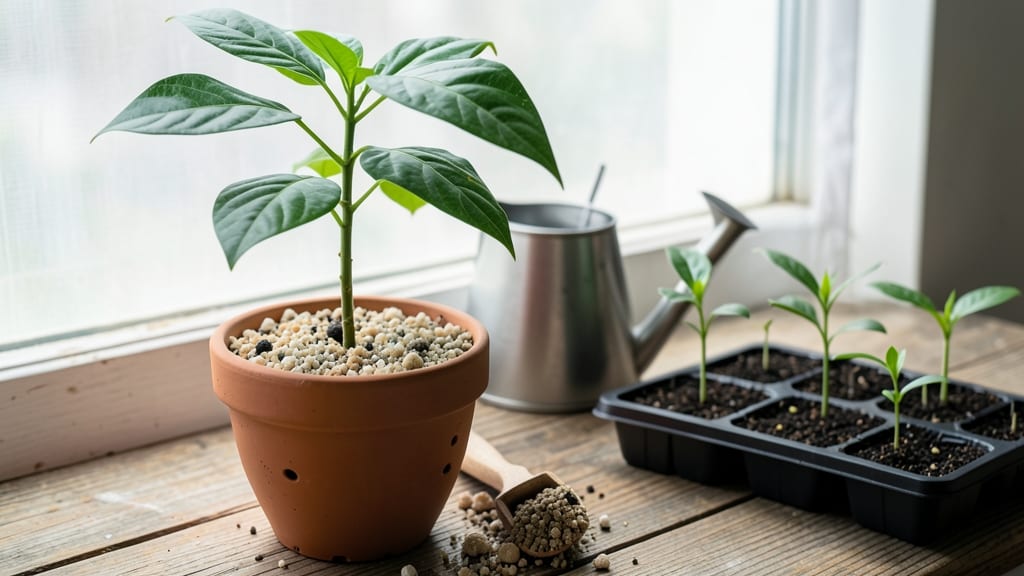
If you’ve ever wondered when can I plant my avocado seed in soil, timing isn’t just about the calendar—it’s about giving your 🥑 avocado tree the best shot at thriving. Plant too soon, and frost or weak roots could doom your seedling before it even takes hold.
But get it right, and you’ll set the stage for a strong, healthy start that could one day grow into a fruit-bearing giant.
The key is waiting until your seedling shows clear signs of readiness—like steady growth and sturdy leaves—while aligning with your local climate. In USDA Zone 6a, that usually means holding off until after the last frost, typically March or April, when soil temperatures warm up.
But don’t rush: a seedling that’s not quite ready will struggle to adapt, no matter how perfect the weather.
Before you dig, there’s one more critical step: preparing your seedling for the transition. Whether you’re moving it from water to soil or from a cozy indoor spot to the great outdoors, proper care makes all the difference.
I’ll walk you through exactly how to harden off your avocado tree, choose the right soil mix, and avoid common pitfalls that trip up even the most eager gardeners.
Ready to turn your seedling into a thriving plant? Let’s break down the exact timing, climate considerations, and care tips you need to ensure your 🥑 avocado tree grows strong—and stays that way for years to come.
Optimal germination timeline before transplanting avocado seeds to soil
Timing is everything when transplanting your avocado seed into soil. Unlike mature trees, seedlings are delicate and require precise conditions to thrive.
The key is watching for root development and shoot growth—these signals tell you when your seedling is ready to leave its cozy water jar or peat pot behind.
Most avocado seeds take 4-12 weeks to germinate, depending on temperature and humidity. In warmer climates, you might see sprouts in as little as 2-3 weeks, while cooler zones could stretch this to 8-12 weeks. Patience is critical—rushing the transplant can shock your seedling and stunt its growth.
Once your seedling shows healthy green leaves (not the initial seed leaves) and reaches 1-2 inches tall, it’s time to prepare for soil. This stage typically occurs 6-8 weeks after germination, but always monitor your seedling’s progress rather than relying on a strict timeline.
Here’s what to watch for: strong roots (1-2 inches long), vigorous stem growth, and bright green foliage. If your seedling is leggy or yellowing, it’s not ready—these are signs of stress or poor conditions.
A steady growth rate of 0.5+ inches per week is a great indicator of readiness.
🌱 Avocado Seedling Growth Stages & Transplant Readiness
| Stage | Duration | Key Features | Transplant Ready? |
|---|---|---|---|
| Germination | 2-12 weeks | Root or shoot emerges; seed leaves appear | ❌ No |
| Seedling Growth | 4-8 weeks | 1-2" tall; true leaves develop; roots 1-2" long | ✅ Yes (if healthy) |
| Established | 8+ weeks | 3-5" tall; multiple leaves; robust roots | ✅ Yes (ideal) |
Note: Tropical climates speed up growth; temperate zones may require longer germination.
For tropical zones (USDA 10-12), you can transplant seedlings into soil as early as 6-8 weeks after germination, especially if daytime temperatures stay above 70°F (21°C). In temperate zones (USDA 6-9), wait until 8-12 weeks or until the last frost has passed—typically late spring (May-June).
If you’re growing your avocado seedling indoors, aim to transplant it into soil by early spring so it has time to establish before outdoor temperatures rise.
This gives your seedling a head start and reduces transplant shock. Use a well-draining potting mix with perlite or sand to mimic its natural habitat.
One common mistake is transplanting too early because the seedling looks "big enough." Leggy seedlings or those with yellowing leaves are often stressed and not ready. Instead, focus on root health and leaf color—bright green and firm leaves mean your seedling is ready for the next phase.
Pro tip: If your seedling is indoor-grown, start hardening off 2 weeks before transplanting. Place it outside for 1-2 hours daily, gradually increasing exposure to sunlight and outdoor conditions. This mimics natural acclimation and boosts survival rates.
Remember, every avocado seedling grows at its own pace. Monitor closely and adjust your timeline based on its specific needs. With the right timing and care, your seedling will thrive in soil and grow into a stunning tree—just like the one you started with a single seed! 🌿🌱
Climate-specific planting windows for avocado seedlings by region
Timing your avocado seedling transplant depends heavily on your USDA hardiness zone and local climate. In tropical zones (10-12), you can plant year-round, but temperate zones (6-9) require careful timing to avoid frost damage. Always check your last frost date—avocados despise cold, even as seedlings.
For USDA Zones 9-11, transplant outdoors 2-4 weeks after your last frost, typically March-April. In Zones 6-8, wait until mid-to-late spring (May-June) when soil temps stay above 60°F (15°C).
Northern growers may need to start indoors and delay outdoor planting until July-August to avoid early fall frosts.
🚨 CRITICAL WARNING: Never transplant when nighttime temps drop below 50°F (10°C)—avocado seedlings will wilt, yellow, or die from cold stress. Even a single light frost can kill young plants, so monitor forecasts closely.
⚠️ Common Transplanting Mistakes to Avoid
- Planting too early: Seedlings shocked by cold or frost.
- Skipping hardening off: Direct sun exposure after indoor growth causes leaf burn.
- Poor drainage: Waterlogged soil rots delicate roots.
- Overcrowding: Seedlings compete for nutrients, stunting growth.
🌱 Pro Tip: Use a mini greenhouse or shade cloth for the first 2 weeks post-transplant to ease the transition.
If you live in a cooler microclimate, extend the indoor germination phase by 4-6 weeks and transplant later. For example, Zone 7 growers should aim for late May, while Zone 8 can start as early as April 15.
Always prioritize soil warmth over calendar dates—avocados thrive when roots can absorb heat efficiently.
For container growing, timing shifts slightly: you can transplant 1-2 months earlier since pots warm faster. However, outdoor containers still need frost protection until roots establish. Use black plastic mulch to raise soil temps by 5-10°F (3-6°C) if needed.
Regardless of your zone, avoid transplanting during summer heatwaves (above 90°F/32°C). Seedlings struggle to adapt to sudden temperature swings. Instead, opt for early morning or late afternoon planting on overcast days to reduce transplant shock.