
Plants
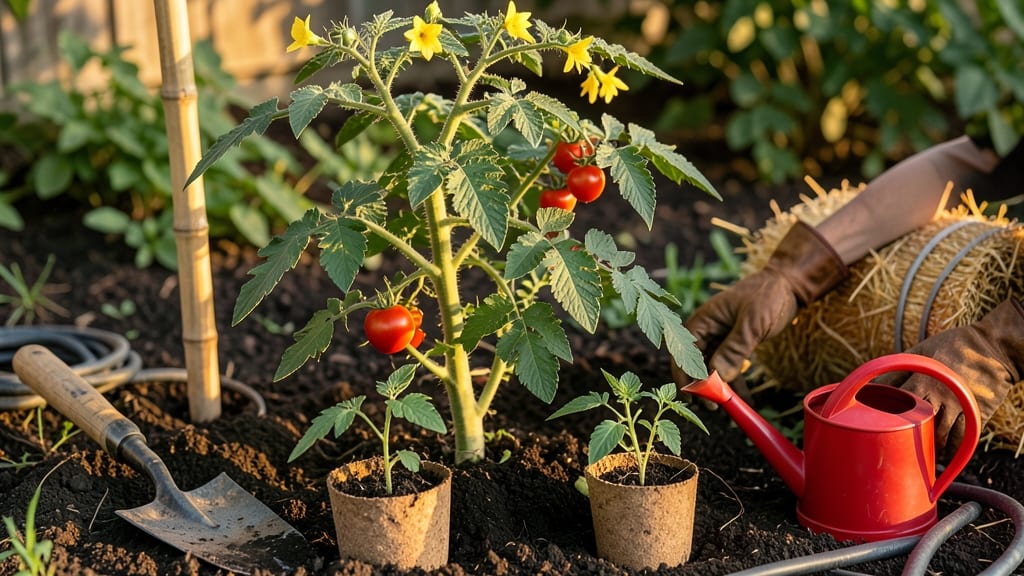
Knowing when to plant tomatoes in Florida isn’t just about avoiding frost—it’s about outsmarting the state’s brutal heat and humidity to grow juicy, vine-ripping harvests. Skip the timing, and you’ll end up with bitter fruit or plants that bolt before they even fruit.
But get it right, and you’ll enjoy homegrown 🍅 from spring through fall, no matter where you are in the state.
Florida’s frost-free zones (8a–11) mean your planting window varies wildly—from March–April in North Florida to year-round in the Keys. The key is matching your region’s heat zones to the right timing, whether you’re dodging early-season cold snaps or late-summer heat stress.
I’ll break down the exact months to plant, plus how to stretch your harvest with smart succession planting.
This isn’t just theory—it’s battle-tested advice from Florida gardeners who’ve learned the hard way. We’ll cover soil prep for sandy or clay-heavy ground, how to beat fungal diseases, and even how to salvage a failed batch.
Ready to turn your backyard into a tomato powerhouse? Let’s dive into the perfect planting schedule for your corner of Florida.
Whether you’re a first-time gardener or a seasoned pro, these insights will help you avoid common mistakes and maximize your yield. From heat-tolerant varieties to mulching tricks, you’ll have everything you need to grow tomatoes that’ll make your neighbors jealous. Let’s get started!
Florida heat zones explained: the critical planting windows by region
Florida’s climate is anything but uniform—from the frost-prone Panhandle to the tropical South, planting tomatoes at the wrong time means bolted plants or stunted growth. The state spans USDA zones 8A–11, so your last frost date (or lack thereof) dictates everything.
In North Florida, wait until mid-March after the average January frost passes, while South Florida gardeners can plant year-round thanks to its frost-free status.
Even within regions, microclimates matter. Coastal areas like Tallahassee or Daytona Beach may experience earlier warmth than inland spots, while Miami’s humidity demands extra vigilance against fungal diseases.
To nail your timing, check your local USDA zone and align with these region-specific windows—or risk heat stress or cold damage.
| Region | USDA Zone | Last Frost Date | Ideal Planting Window | Key Risks |
|---|---|---|---|---|
| North Florida (Pensacola, Tallahassee) | 8A–9A | Mid-March | March–April (spring) or August–September (fall) | Late frosts, heat stress |
| Central Florida (Orlando, Tampa) | 9A–9B | Late February | February–March (spring) or July–August (fall) | Humidity, fungal diseases |
| South Florida (Miami, Key West) | 10A–11 | None | Year-round (best: Jan–Feb or Sept–Oct) | Heat stress, hurricane damage |
For North Florida, aim to transplant 4–6 weeks before the last frost—typically mid-March—when soil temps hit 60°F. Use cold-hardy varieties like ‘Mountain Merit’ or ‘Celebrity’ to tolerate early-season chill.
In Central Florida, push planting to February for spring harvests, but avoid June–July heatwaves, which cause bolting (premature flowering).
South Florida’s frost-free status lets you plant year-round, but summer heat (above 90°F) stresses plants. Opt for heat-tolerant varieties like ‘Solar Fire’ or ‘Heatmaster’ and use shade cloth during peak afternoon sun. Fall planting (August–September) often yields better results, as cooler temps reduce disease pressure.
Don’t forget succession planting—space out transplants every 2–3 weeks to stagger harvests. For example, in Orlando (Zone 9B), plant February 1, February 15, and March 1 for a continuous supply. This works even in South Florida, where September–October plantings avoid hurricane season (June–November) disruptions.
Check your local agricultural extension (like UF/IFAS) for hyper-local advice—some areas, like Apalachicola, have earlier frosts than nearby Panama City. Always test soil temperature with a soil thermometer; tomatoes won’t thrive below 55°F.
If your soil is too cold, delay planting or use row covers for protection.
Timing isn’t just about when you plant—it’s also about what variety you choose. Determinate tomatoes (like ‘Roma’) ripen all at once and handle heat better, while indeterminate types (like ‘Better Boy’) need staking and consistent care.
Match your planting window to your variety’s needs—for example, heirlooms often need longer growing seasons and cooler temps.
Finally, watch the weather forecast for unexpected cold snaps (
How to stretch your tomato season: succession planting for nonstop harvests
Florida’s long growing season lets you enjoy tomatoes year-round, but most gardeners miss the trick of succession planting—the secret to nonstop harvests without bolting or burnout.
By planting in three strategic waves, you’ll beat the heat, stretch your season, and avoid the "all-at-once" harvest trap that leads to wasted fruit.
Start with cool-season transplants in early spring (February–March for North FL, January–February for Central/South). This wave thrives on milder temps and avoids the late-spring heat spike that triggers bolting. Use heat-tolerant varieties like ‘Celebrity’ or ‘Solar Fire’ to hedge your bets against unpredictable Florida weather.
🌱 Visual Guide: Your 3-Wave Tomato Planting Timeline 🌱
- When: Feb–Mar (North FL) / Jan–Feb (South FL)
- Goal: Early harvests before summer heat
- Tip: Use black plastic mulch to warm soil
- When: May–June (after last frost risk)
- Goal: Heat-tolerant varieties only
- Tip: Provide 30–50% shade cloth
- When: Aug–Sept (before hurricanes)
- Goal: Winter harvests in South FL
- Tip: Choose disease-resistant hybrids
Wave 2 is where most Florida gardeners stumble—planting in peak summer heat without protection. If you must try this, harden off seedlings for 2 weeks under shade cloth, and water deeply at soil level (not overhead) to prevent fungal diseases like early blight.
Pro tip: Drip irrigation with a soaker hose keeps roots cool and consistent.
Wave 3 is your fall insurance policy, especially in South Florida (Zones 10A–11) where frost is rare. Plant late August–September for harvests through November–December. In North Florida (Zones 8A–9A), aim for September–October to beat the first frost. Use row covers if temps dip below 50°F at night.
🚨 Risk Assessment by Wave 🚨
- Late frost damage (North FL)
- Slow growth in cool soil
- Bolting from heat stress
- Fungal diseases (humidity + heat)
- Hurricane damage (Aug–Oct)
- Pests (hornworms, whiteflies)
If a wave fails, don’t panic—Florida’s climate is forgiving if you act fast. For Wave 2 bolting, prune suckers aggressively and shade plants immediately. For Wave 3 pest outbreaks, introduce beneficial nematodes or neem oil sprays.
And always keep a backup batch of seeds ready for emergency replanting after storms.
With this three-wave strategy, you’ll turn your Florida garden into a tomato powerhouse, enjoying fresh fruit from February to December—no more sad, bolted plants left to rot in the heat! 🍅