
Plants
Florida tomato planting calendar: coastal vs inland start dates
Florida’s diverse climate means coastal and inland regions have different tomato planting windows. Coastal areas like Miami and Tampa enjoy warmer soils earlier, while inland zones like Orlando and Gainesville face cooler nights. Understanding these differences ensures your plants thrive without frost or heat stress.
For coastal Florida, you can plant tomatoes as early as January for a spring harvest, while inland gardeners should wait until February-March. The key is soil temperature—tomatoes need 60°F+ soil to germinate properly. Use a soil thermometer to check before planting.
Here’s the breakdown you need to know, including first frost dates and heat tolerance thresholds for Florida’s two main regions:
| Region | Optimal Planting Window | Soil Temp Requirement | First Frost Risk | Heat Tolerance |
|---|---|---|---|---|
| Coastal (Miami, Tampa, Fort Myers) | January–February (spring) or August–September (fall) | 60°F+ (earlier starts) | None (rare frost) | High (90°F+ safe) |
| Inland (Orlando, Gainesville, Ocala) | February–March (spring) or August (fall) | 65°F+ (warmer soil) | January 15 (light risk) | Moderate (85°F+ stress) |
| North Florida (Jacksonville, Tallahassee) | March–April (spring) or September (fall) | 70°F+ (coldest zone) | December 15 (higher risk) | Low (heat-sensitive) |
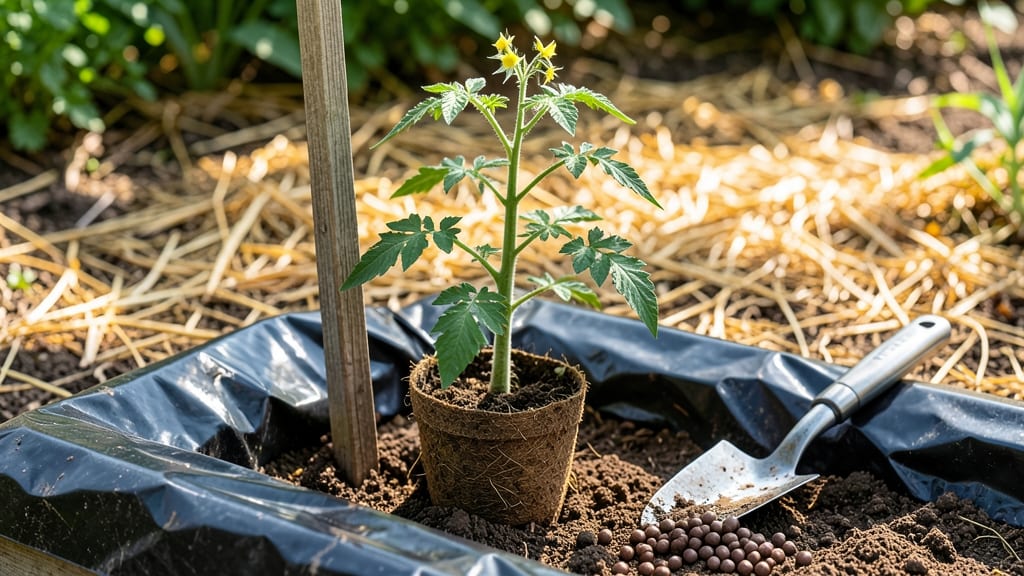
For a spring harvest, coastal gardeners can plant early varieties like ‘Celebrity’ or ‘Sunny’ in January, while inland areas should wait until late February to avoid blossom-end rot from cool nights. Use black plastic mulch to warm soil faster in cooler regions.
If you’re aiming for a fall harvest, plant heat-tolerant varieties like ‘Heatmaster’ or ‘Solar Fire’ in August for coastal areas. Inland gardeners should plant by early August to finish fruiting before September’s humidity spikes fungal diseases.
Pro tip: Use shade cloth (30-50%) during summer’s peak heat (June–July) to protect plants from sunscald. This is especially critical for inland Florida, where temperatures can exceed 95°F.
Always check UF/IFAS Extension for localized advice—your county’s frost-free days may vary by just a few weeks. For example, Miami’s 270 frost-free days let you grow tomatoes nearly year-round, while Tallahassee’s 220 days limit your window.
Start seeds 6-8 weeks before your region’s last frost date. Coastal gardeners can begin indoors in November, while inland areas should start in December to avoid transplant shock from cool soil.
Remember: Succession planting every 2-3 weeks ensures a continuous harvest. For example, plant a batch in February, another in March, and a final one in August for fall tomatoes.
Florida tomato planting calendar: coastal vs inland start dates
Florida’s diverse climate means coastal areas like Miami and Fort Myers enjoy year-round tomato growing, while inland cities like Orlando and Tallahassee face cooler winters.
The key is aligning your planting with soil temperatures and heat tolerance thresholds—not just calendar months. Let’s break down the exact windows for each region.
For coastal Florida, where winters are mild and frost is rare, you can plant tomatoes year-round with two main cycles: spring (February–March) and fall (August–September). Inland areas, however, should wait until March–April for spring planting to avoid blossom-end rot from cool soils.
Always check your last frost date—North Florida’s average is January 15, while South Florida rarely sees frost.
🌱
| Region | Spring Planting Window | Fall Planting Window | Soil Temp Requirement | Key Challenge |
|---|---|---|---|---|
| Coastal (Miami, Fort Myers) | February–March | August–September | 60°F+ | Humidity & early blight |
| Central (Orlando, Tampa) | March–April | August–September | 65°F+ | Heat stress in summer |
| North (Tallahassee, Gainesville) | April–May | July–August | 70°F+ | Late frosts |
*Use a soil thermometer to confirm temperatures before planting.
In coastal Florida, you can even plant succession crops every 2–3 weeks from February through October to ensure a continuous harvest. For inland areas, focus on heat-tolerant varieties like Solar Fire or Heatmaster to avoid wilting during summer’s peak heat.
Always harden off seedlings for 7–10 days before transplanting to prevent shock.
Pro tip: Use black plastic mulch to warm soil faster in spring or shade cloth (30–50%) to protect plants from midday sun in summer. This simple adjustment can boost yields by 30–40% in Florida’s extreme conditions.
Timing isn’t just about months—it’s about microclimates. A garden in Tampa’s downtown might be 10°F warmer than one in St. Petersburg’s suburbs due to urban heat islands. Observe your local conditions for 2–3 years to refine your schedule.
🌿