
Plants
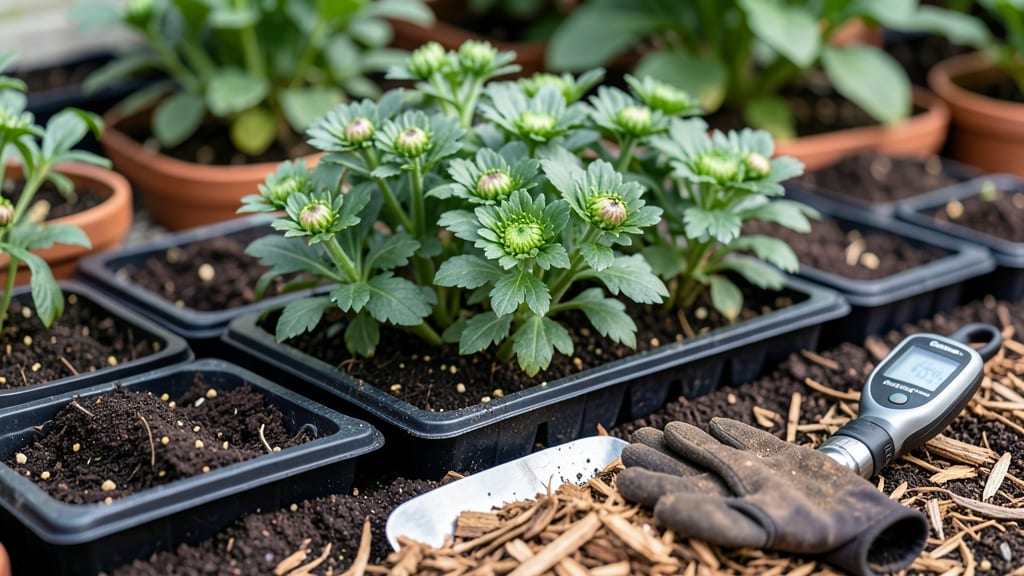
Optimal fall planting timeline for mums by US hardiness zones
Timing is everything when planting chrysanthemums (mums). These hardy flowers thrive when planted 4-6 weeks before your first frost date, giving roots time to establish before winter.
But the exact window depends on your USDA hardiness zone—plant too early, and they’ll bolt; too late, and frost will kill them before blooming. Let’s break down the ideal fall planting schedule for zones 3 through 10.
For Zones 3-5, aim for late August to mid-September. In these colder regions, soil temperatures drop faster, so early planting risks transplant shock or stunted growth. Wait until nighttime temps stay above 50°F (10°C) consistently.
In Zone 6a, like my garden in upstate New York, I plant between September 1-15—just enough time for roots to anchor before the ground freezes.
Southern gardeners in Zones 7-10 have more flexibility. Plant through October, but avoid late November—mums need 6-8 weeks of root growth before frost.
In Zone 9, where I’ve helped friends in California, mums can even bloom year-round with the right care, but fall planting ensures vibrant spring blooms the next year.
🌼 Pro Tip: Check your local frost dates (USDA provides a free map) and count backward. For example, if frost hits November 15, plant by October 1.
| USDA Zone | Ideal Planting Window | Soil Temp Threshold | Key Consideration |
|---|---|---|---|
| 3-5 | Late August–Mid-September | 50–60°F (10–15°C) | Early frost risk; use frost cloth if needed |
| 6a-6b | September 1–15 | 55–65°F (13–18°C) | Balanced root growth before first frost |
| 7-8 | September–October 15 | 60–70°F (15–21°C) | Longer growing season; mulch for winter protection |
| 9-10 | October–November (early) | 65°F+ (18°C+) | Minimal frost; focus on spring blooms |
Adjust for early frosts by planting closer to the first frost date—just ensure the ground isn’t frozen. In Zone 5, I’ve seen gardeners plant as late as October 1 with row covers to extend the season.
Conversely, if your fall is unusually warm (like the 2023 heatwave in the Midwest), delay planting until temps drop to avoid heat stress.
Soil temperature matters more than air temperature. Use a soil thermometer to confirm it’s above 55°F (13°C)—cold soil slows root growth. Amend heavy clay soil with compost or sand to improve drainage, as mums hate soggy roots.
In my Zone 6a garden, I mix in aged manure for extra nutrients before planting.
For container-grown mums, the rules shift slightly. Plant 2-3 weeks earlier than in-ground varieties since pots dry out faster. Use well-draining potting mix and larger pots (12+ inches) to mimic ground conditions.
I’ve had success with container mums in Zone 7 planted in late September, protected with burlap wraps for winter.
🌿 Remember: Mums planted in fall will bloom next spring if cared for properly. The key is root establishment—prioritize this over immediate flowers. Skip fall fertilizing; instead, focus on watering deeply and mulching to insulate roots.
If you miss the fall window, don’t panic! Mums can also be planted in early spring (March–April in most zones), though they’ll bloom later in the season. But for fall color, timing is critical—aim for that 4-6 week buffer before frost for the best results.
☀️ Final
5 Critical signs your mums are ready for fall planting
Timing is everything when planting mums, but how do you know they're truly ready for the ground? Look for these 5 key indicators to ensure your plants establish strong roots before winter arrives. Skipping these checks can lead to transplant shock or poor blooms next season.
First, examine the root ball—healthy roots should extend beyond the container edges. Gently squeeze the soil; if it crumbles easily, roots are ready. Avoid planting when roots are still tightly bound or circling the pot.
Next, check the soil temperature. Use a soil thermometer—ideal temps range between 60-70°F. Cooler soil slows root growth, while warmer soil risks stress. Morning is the best time to test, as temps are most stable.
Look at the foliage health. Dark green, vibrant leaves signal readiness, but yellowing or wilting means the plant needs more time. Avoid plants with brown edges or spots, as these indicate stress or disease.
🌱 Pro Tip: Water your mums 24 hours before transplanting. Well-hydrated plants handle stress better and recover faster. Overwatering right before planting, however, can suffocate roots.