
Planting
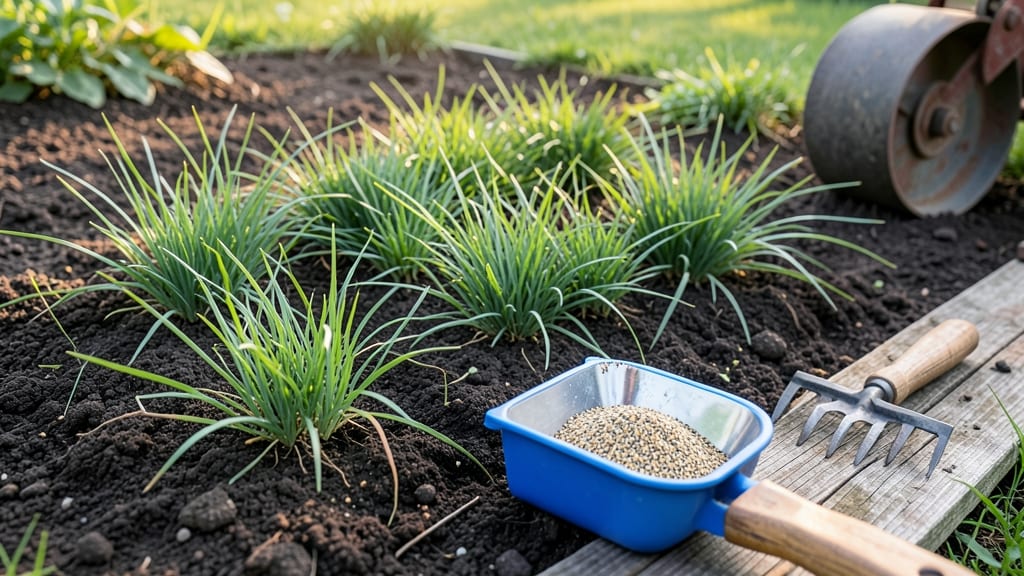
The perfect timing for planting grass in the spring can transform your yard from patchy and weak to thick and vibrant—if you get it right. Too early, and frost will kill your efforts; too late, and summer heat will stress your new lawn before it even takes root. The key is understanding your local climate and soil conditions to lock in that ideal window.
For most of us in USDA Zone 6a and similar regions, the best time to plant grass in the spring is 4-6 weeks before your last frost date. That means if your frost typically arrives around April 15, you should start planting in early March.
This timing gives your grass seeds enough time to germinate and establish strong roots before summer heat sets in.
But here's the thing: every yard is different. Soil temperature, moisture levels, and even your grass type (cool-season vs. warm-season) play a huge role. I'll walk you through how to check your soil's readiness, spot the warning signs of poor timing, and keep your new lawn thriving once it's planted.
Let's get your grass off to the best possible start.
Whether you're tackling a small patch or a full yard, these insights will help you avoid common mistakes and give your grass the best chance to grow thick and healthy. Ready to dig in?
Spring grass planting deadlines by US planting Zones
Planting grass in spring is all about timing. Get it right, and you’ll have a thick, vibrant lawn by summer. Get it wrong, and you risk frost damage or heat stress that stunts growth.
The best window depends on your USDA planting zone—each has its own ideal months and deadlines to avoid common pitfalls.
Most gardeners aim to plant 4-6 weeks before the last frost date in spring. For example, in Zone 5, that’s typically late March to early April, while in Zone 9, you might push it to early February to escape summer heat.
The key is soil temperature, which should hit 55-65°F for optimal germination.
Here’s how to match your zone to the perfect planting window, including early, ideal, and late-spring cutoffs to avoid stressing your new grass.
| USDA Zone | Early Spring (Risky) | Ideal Window | Late Spring (Risky) | Soil Temp Goal |
|---|---|---|---|---|
| Zones 3-4 | Late April | Early May | Mid-June | 55-60°F |
| Zones 5-6 | Late March | April | Early May | 55-65°F |
| Zones 7-8 | Early February | March | Late April | 60-65°F |
| Zones 9-10 | January | February | Early March | 65-70°F |
🌱 Pro Tip: Use a soil thermometer to confirm temps before planting.
If you’re in Zones 3-4, planting too early risks frost heave (when soil freezes and pushes up seedlings). In Zones 9-10, waiting too long means summer heat can dry out seeds before they sprout.
For cool-season grasses like Kentucky bluegrass, aim for the earlier side of the ideal window, while warm-season grasses like Bermuda can wait until late spring.
Another critical factor is your last frost date. Check your local USDA Plant Hardiness Zone Map or ask your local Cooperative Extension Service for precise deadlines.
For example, Denver (Zone 5) typically has its last frost around April 15, so planting in early April gives seeds time to establish before summer heat arrives.
For southern regions (Zones 7-10), early spring planting is safer because the ground warms faster. In northern zones (3-6), patience is key—waiting until soil is consistently above 55°F prevents seed rot.
A simple trick? Bury a thermometer in the soil for a few days to track temperature trends.
Once you’ve nailed the timing, prep your soil by removing debris, loosening compacted areas, and adding a starter fertilizer with phosphorus to encourage root growth. After planting, keep the soil moist but not soggy—a light misting twice daily works best until seeds germinate.
Remember, cool-season grasses thrive in spring, while warm-season varieties prefer late spring/early summer. Mixing them up? Plant cool-season first in spring, then warm-season later once temperatures rise. This two-step approach gives both types a fighting chance to establish.
Finally, avoid planting if rain is forecasted for more than 3 days in a row. Overwatering can wash away seeds or cause fungal diseases like damping-off. Instead, water gently in the morning to let excess moisture evaporate during the day.
How to prepare your soil for spring grass planting
Preparing your soil before planting grass in spring is the foundation for a thick, healthy lawn. Skipping this step can lead to poor germination and weak grass growth. Start by testing your soil pH—ideal levels for most grasses range between 6.0 and 7.0.
If your soil is too acidic or alkaline, amend it with lime or sulfur, respectively.
Next, remove any debris, rocks, or weeds from the planting area. A clean workspace ensures your grass seeds have direct contact with the soil, promoting even germination.
Use a rake or lawn aerator to loosen the top 2-3 inches of soil, breaking up compacted layers that can hinder root growth.
🌱
🌱 Key Takeaways for Soil Prep
Use a soil test kit (ideal: 6.0-7.0)
Clear rocks, weeds, and old plant matter
Loosen top 2-3 inches for better root penetration
Mix in 1-2 inches for nutrients and drainage
Use a rake to create a smooth, even surface
Moisten soil to 1 inch deep for seed germination
If your soil is clay-heavy or sandy, mix in compost or organic matter to improve its structure. Aim for a 1-2 inch layer spread evenly across the area. This step enhances drainage in clay soils and moisture retention in sandy soils, creating the perfect environment for grass seeds.
After amending, level the ground with a rake to eliminate low spots where water could pool. A smooth, even surface ensures consistent seed-to-soil contact, which is critical for uniform germination. Finally, water the soil deeply (about 1 inch) to create a moist environment for planting.
💧
By following these steps, you’ll create an optimal growing environment for your grass seeds. Proper soil prep not only boosts germination rates but also sets your lawn up for long-term health and resilience against weeds and pests.