
Planting
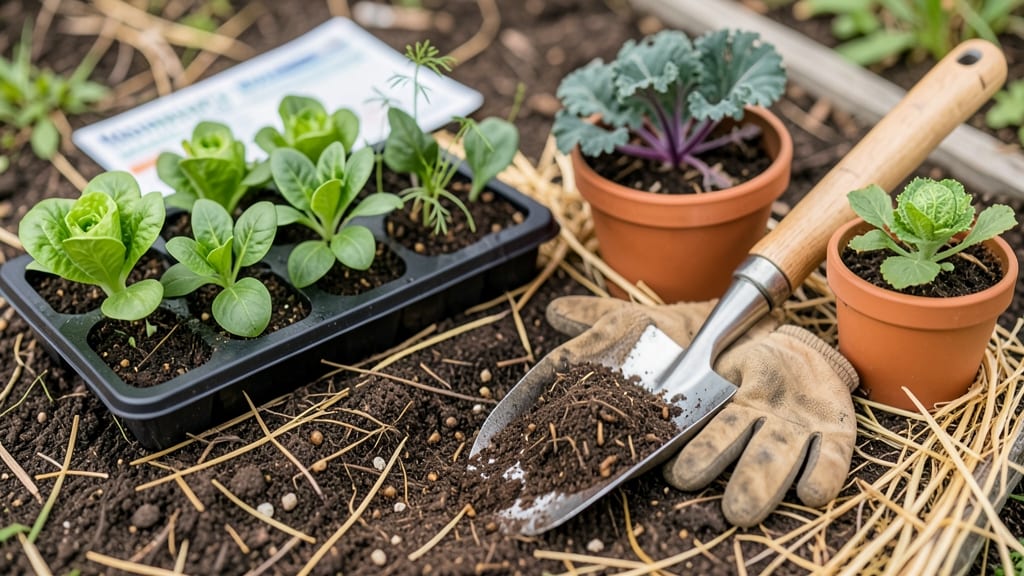
When should you plant a garden in Michigan isn’t just about following a calendar—it’s about outsmarting the unpredictable frosts that can turn your hard work into a frost-killed disappointment.
Whether you're in the Upper Peninsula or Detroit, planting too early or late means the difference between a bountiful harvest and a wasted season.
With Michigan’s USDA Zones 5-6, knowing when to plant your 🌱 General Garden Vegetables depends on more than just dates—it’s about reading the soil, tracking frost-free windows, and choosing crops that thrive in your microclimate.
From cool-season greens to heat-loving tomatoes, I’ll break down the exact windows you need to maximize your garden’s potential.
This guide covers everything from last frost dates by region to heat-tolerant crops that defy Michigan’s short growing season.
You’ll learn how to adjust for early or late springs, use row covers to extend harvests, and pick the best varieties for your zone—whether you’re in a city garden or rural farmland.
Skip the guesswork and start planting with confidence. By the end, you’ll know exactly when to put seeds in the ground for a garden that doesn’t just survive—it thrives.
Michigan’s last frost dates by Zone: the exact timeline for safe planting
Michigan’s gardening calendar hinges on last frost dates, which vary dramatically across its three distinct zones. The Upper Peninsula (Zone 4) faces the latest springs, while the Southern Lower Peninsula (Zone 6) enjoys earlier planting windows.
For most of Michigan, the average last frost date falls between April 15 and May 15, but urban heat islands and microclimates can shift this by weeks.
Cool-season crops like spinach, peas, and lettuce can handle light frosts, but tomatoes, peppers, and cucumbers need to wait until after the last frost.
In my Zone 5 garden near Grand Rapids, I’ve learned to plant hardy greens in early April and warm-season crops by Memorial Day—unless I’m using row covers to cheat the system.
Here’s the breakdown you need to plan your garden like a pro:
| Zone | Last Frost Date | First Frost Date | Safe Planting Window | Key Crops |
|---|---|---|---|---|
| Upper Peninsula (Zone 4) | May 10–20 | September 20–30 | May 25–June 10 | Peas, kale, potatoes, bush beans |
| Northern Lower Peninsula (Zone 5) | April 25–May 10 | October 5–15 | May 15–June 1 | Lettuce, radishes, tomatoes, peppers |
| Southern Lower Peninsula (Zone 6) | April 10–20 | October 15–25 | April 25–May 15 | Spinach, carrots, cucumbers, squash |
Pro tip: Use the 10-day rule—if your area hasn’t seen frost in 10 days, it’s safer to plant warm-season crops. I always double-check with the Michigan State University Garden Hotline for real-time updates, especially in years with early warm spells that can fool gardeners into planting too soon.
For cool-season crops, you can start seeds indoors 6–8 weeks before the last frost. In my experience, broccoli and cabbage thrive when transplanted in early April, while onions and garlic can go in as early as March if the soil isn’t frozen.
The key is soil temperature: aim for 40°F for cool crops and 60°F for warm crops.
Don’t forget about fall planting! Many crops like kale, radishes, and spinach can tolerate light frosts and even taste sweeter after a frost. In my garden, I plant fall greens by August 1 to ensure a harvest before the first hard frost.
This gives me fresh salads well into November.
Urban gardeners in cities like Detroit or Grand Rapids often enjoy 2–3 weeks earlier planting due to the urban heat island effect.
If you’re in a microclimate, observe your local tree blossoms—when apple or cherry blossoms fall, it’s a sign that frost is unlikely for at least a week.
For perennials like asparagus and rhubarb, timing matters too. Plant crowns in early spring (as soon as soil is workable) or early fall (6–8 weeks before frost). I’ve found that asparagus takes 3 years to establish, so patience is key—start early!
Finally, keep a garden journal to track your local frost dates. Over 5 years, I’ve noticed my last frost date has shifted from May 5 to April 25—climate change is real, and your planting timeline should adapt. Use these dates as a starting point, not a rulebook.
Heat-tolerant crops that bypass Michigan’s short growing season
Michigan’s cool climate can feel like a roadblock for gardeners dreaming of sun-loving crops, but heat-tolerant varieties and fast-maturing plants prove you don’t need a long summer to succeed. Crops like sweet potatoes and okra thrive in our shorter seasons, while bush beans and cowpeas mature quickly enough to escape early frosts. These plants are your secret weapon for a productive garden, even when temperatures dip unexpectedly. The key to success lies in succession planting—staggering your sowing dates every 2-3 weeks to ensure a continuous harvest. Pair that with row covers or cold frames to extend the season by 2-4 weeks on either end. For example, southern peas (like purple hulls) can handle 85°F+ temperatures and still produce pods, while Malabar spinach stays crisp in heat that would wilt traditional varieties.- Okra – Handles 90°F+ heat; harvest pods at 3-4 inches for tenderness.
- Sweet Potatoes – Thrives in short seasons; plant slips after last frost for harvest in 90-120 days.
- Bush Beans – Matures in 50-60 days; plant every 2 weeks for continuous yields.
- Cowpeas – Drought-tolerant and heat-resistant; great for dry spells.
- Malabar Spinach – Grows in shade or sun; stays fresh in 95°F+ heat.
- Eggplant (Black Beauty) – Choose compact varieties for shorter seasons; harvest at 6-8 inches.
- Peppers (Jalapeño, Cayenne) – Need 75°F+ soil; use black plastic mulch to warm roots.
- Southern Peas (Purple Hulls) – Heat-tolerant pods; plant after soil reaches 65°F.
- Tomatillos – Prefers cooler nights but handles 80°F+ days; harvest when husks turn brown.
- Swiss Chard (Bright Lights) – Bolts less in heat; harvest outer leaves to prolong production.
- Cucumbers (Straight Eight) – Fast-maturing (50-60 days); trellis to save space.
- Watermelon (Sugar Baby) – Compact variety; plant after last frost for harvest in 70-80 days.
Extend your season even further by planting in raised beds—they warm up 2-3 weeks faster than in-ground soil. Add compost to improve drainage and fertility, and mulch heavily to retain moisture during dry spells.
With these strategies, you’ll turn Michigan’s short growing season into a year-round harvest machine—no tropical vacation required! 🌡️🌱