
Planting
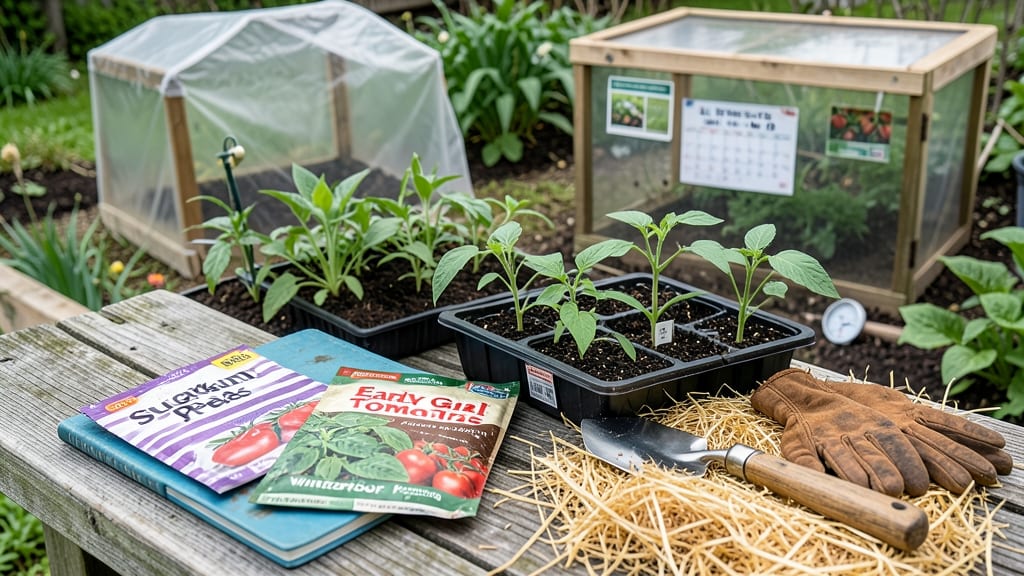
If you've ever stared at your seed packets in March wondering whether to plant your garden in Michigan, you're not alone. The answer isn't one-size-fits-all because Michigan's climate varies dramatically from the Upper Peninsula to the southern border.
What works in Detroit might fail in Traverse City, and those frost dates can shift unpredictably.
I've spent years tracking Michigan's planting windows, and the key is understanding your specific last frost date—because planting too early can mean wasted seeds, while waiting too long might cut your harvest short.
Whether you're growing cool-season crops like peas or heat-loving tomatoes, timing is everything for a successful garden.
Let me show you exactly when to plant in your corner of Michigan, from early spring staples to late-season extensions. We'll cover soil temperature tricks, frost-proofing strategies, and how to adjust for those tricky microclimates that can make all the difference between a thriving garden and a disappointing one.
Ready to turn your gardening dreams into reality? Let's dive into the science behind Michigan's planting calendar and give your crops the best possible start—no more guesswork, just green thumbs ahead.
Michigan’s 2024 last frost dates by county: your planting timeline
Michigan’s planting calendar isn’t one-size-fits-all—our state spans USDA hardiness zones 4a through 6b, meaning frost dates can vary by weeks or even months between counties.
For example, Berrien County in the southwest sees its last spring frost around April 15, while Keweenaw Peninsula in the UP might not be frost-free until June 1. These differences determine whether you can plant tomatoes in May or need to wait until July.
To avoid costly mistakes, I’ve broken down average last spring frost dates and first fall frost dates by region, along with planting windows for your most common crops.
Pro tip: Use these as guidelines—always check soil temperatures (aim for 45°F+ for cool crops, 60°F+ for warm crops) and monitor local forecasts for adjustments.
🌱
| Region | USDA Zone | Avg. Last Spring Frost | Avg. First Fall Frost | Planting Window (Cool Crops) | Planting Window (Warm Crops) |
|---|---|---|---|---|---|
| Southern MI (Wayne, Oakland, Macomb) | 6a-6b | April 15–May 1 | October 15–20 | March 15–April 30 | May 15–June 15 |
| Central MI (Ingham, Eaton, Clinton) | 5b-6a | April 25–May 10 | October 5–15 | April 1–May 15 | May 20–June 10 |
| Northern MI (Grand Traverse, Leelanau) | 5a-5b | May 1–15 | September 20–October 5 | April 15–May 30 | June 1–July 1 |
| Upper Peninsula (Marquette, Houghton) | 4a-4b | May 20–June 1 | September 5–15 | May 1–June 15 | July 1–August 1 |
Note: Microclimates (like urban heat islands or lake-effect zones) can shift dates by 1–2 weeks.
For precise county-specific dates, I recommend using the Michigan State University Extension’s Frost Date Calculator (link in resources).
But here’s a quick rule of thumb: Subtract 2 weeks from your county’s last frost date for cool-season crops (like peas or lettuce) and add 2 weeks for warm-season crops (like peppers or cucumbers) to account for soil warming.
Let’s say you’re in Washtenaw County (central MI, zone 5b-6a). Your last frost is around May 5, so I’d plant spinach in early April (8 weeks before frost) and tomatoes in late May (after soil hits 60°F).
In Chippewa County (UP, zone 4b), I’d wait until June 1 for tomatoes—otherwise, you risk stunted growth or bolting.
Don’t forget fall planting! Many crops thrive when days shorten. For example, kale and radishes can handle light frosts, so I plant them 6–8 weeks before your first fall frost. In southern MI, that’s September 1–15; in the UP, it’s August 1–15.
🌿
Pro tip: Extend your season with row covers or cold frames. In northern zones, these can push your last frost date back by 2–4 weeks, letting you plant cabbage or broccoli weeks earlier.
I’ve even grown basil in May in the UP by using a mini greenhouse—just monitor for humidity to avoid fungal issues.
How to adjust planting dates for Michigan’s unpredictable weather
Michigan’s weather can be as unpredictable as a toddler’s mood—one day it’s warm enough to plant tomatoes, and the next, a surprise frost threatens your peppers. The key to success? Flexibility.
While average frost dates give you a starting point, soil temperature, microclimates, and late-season surprises demand adjustments. For example, Upper Peninsula gardeners might need to wait until May 20th for safe planting, while southern Michigan could start as early as April 15th.
Planning for these variations ensures your garden thrives, not just survives.
Start by monitoring soil temperatures—most vegetables need soil to be at least 50°F for root growth. Use a soil thermometer to check; cold soil can stunt seedlings even if air temps feel warm.
For cool-season crops like spinach or kale, you can plant earlier, but warm-season crops like beans or cucumbers need that warmer soil. Pro tip: Cover seeds with black plastic mulch to warm the soil faster.
Row covers are your best friend for extending seasons. These lightweight fabrics trap heat and protect tender plants from late frosts. I use them for tomatoes and peppers in my Zone 5b garden, adding an extra 2-4 weeks of growing time.
Just remove them once plants are established to avoid overheating. For high-risk areas like the Thumb region, keep covers handy until June 1st—when the odds of frost drop significantly.
- 📅 Use a frost calculator: Plug your county into the Michigan State University tool for real-time updates.
- 🌡️ Test soil temp daily: Aim for 60°F+ for warm-season crops before planting.
- 🛡️ Layer row covers: Combine floating row covers with cloches for extra protection.
- 🌱 Succession plant: Sow radishes every 2 weeks to hedge against frost.
- 📝 Keep a planting journal: Track your actual frost dates vs. averages for future years.
Microclimates can shift planting windows by weeks. A south-facing slope warms up faster than a north-facing valley, so adjust accordingly. For instance, asparagus crowns can go in 2 weeks earlier on a sunny hillside.
Similarly, urban gardens in Detroit (Zone 6a) often enjoy 5-7°F warmer temps than rural areas just 10 miles away. Observe your yard’s unique conditions—trees, buildings, and even paved surfaces create microclimates that affect planting.
When in doubt, plant cold-hardy crops first. Peas, lettuce, and spinach can handle light frosts, buying you time to establish other plants. I always start with peas around April 1st in my Zone 5 garden—they’re ready to harvest by the time tomatoes can safely go in.
For high-value crops like eggplants, wait until after Memorial Day unless you’re using a greenhouse. Patience pays off when your tomatoes aren’t crispy from a surprise frost!
Finally, have a backup plan. Keep a few seed packets on hand for succession planting if early crops fail. I’ve replanted zucchini twice in a season when the first batch got nipped by frost.
And if all else fails, container gardening lets you move tender plants indoors or to a sheltered spot. With these strategies, you’ll turn Michigan’s unpredictable weather into an advantage—not a roadblock.