
Plants
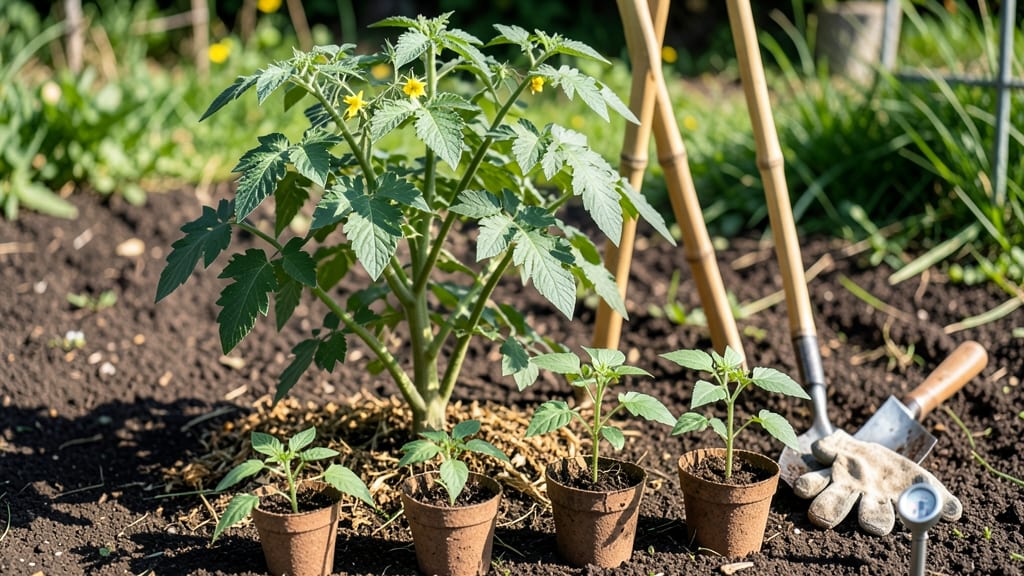
If you're asking "when is the best time to plant tomatoes in Arkansas", the answer isn't as simple as "spring" - it's about avoiding those sneaky late freezes that can turn your 🍅 dreams into sad, blackened plants overnight.
Here in USDA Zones 7a-8a, timing your tomato planting means playing a high-stakes game of weather roulette. Plant too early, and a 30°F night could wipe out your seedlings. Wait too long, and you'll miss the sweet spot for maximum harvest before summer's brutal heat sets in.
I've spent years perfecting my Arkansas tomato schedule, and what I'm about to share will help you double your yield while avoiding the most common mistakes.
We'll cover the exact windows for both spring and fall planting, plus how to tell when your soil is truly ready for those tender young plants.
Whether you're a first-time gardener or a seasoned green thumb, these proven strategies will give you the confidence to plant at the perfect moment - no more guessing, no more wasted effort. Let's get your tomatoes growing like they're on a fast-track to the dinner table.
Arkansas tomato planting calendar: exact dates for transplants vs seeds by USDA Zone 7a/7b
Planting tomatoes in Arkansas requires precision—especially in USDA Zones 7a/7b, where late frosts can linger until mid-April in northern regions. The key is aligning your planting with soil temperatures (minimum 55°F) and last frost dates, which vary by county.
For most of Arkansas, this means waiting until mid-to-late April for transplants or starting seeds indoors by mid-March.
Arkansas Extension Service recommends using a 10-day average of 50°F soil temps as your green light for direct seeding. In Zone 7a (north/central AR), aim for April 15–May 1 for transplants, while Zone 7b (south AR) can plant as early as March 20–April 1.
Fall planting for a late harvest opens a second window: July 15–August 15 for transplants.
Here’s your Arkansas-specific planting timeline for maximum yields, balancing frost risk and heat tolerance:
| Planting Method | Ideal Planting Window (Zone 7a) | Ideal Planting Window (Zone 7b) | Key Considerations |
|---|---|---|---|
| Start Seeds Indoors | Mid-March (6–8 weeks before last frost) | Early March (6–8 weeks before last frost) | Use grow lights; harden off seedlings before transplanting. |
| Transplant Seedlings | April 15–May 1 (after last frost, soil 55°F+) | March 20–April 1 (sooner in southern AR) | Avoid transplant shock; mulch heavily to retain warmth. |
| Direct Sow Seeds | May 1–15 (soil 60°F+) | April 1–15 (soil 60°F+) | Slower germination; protect with row covers if late frost risk. |
| Fall Transplants (Late Harvest) | July 15–August 15 | July 1–15 | Choose early-maturing varieties; harvest before first frost. |
For Zone 7a gardeners in northern Arkansas (e.g., Fayetteville or Bentonville), err on the side of caution—delay planting until after April 15 to avoid late spring frosts. In Zone 7b (e.g., Little Rock or Hot Springs), you can plant 2–3 weeks earlier thanks to warmer microclimates.
Always monitor soil temperature with a probe; cold soil stunts growth.
If you’re seed-starting indoors, begin by mid-March for Zone 7a or early March for Zone 7b. Use grow lights to prevent leggy seedlings, and transplant outdoors only after hardening off for 7–10 days. For direct sowing, wait until soil reaches 60°F—typically early May in cooler areas.
Arkansas’s humidity and heat demand quick action: indeterminate varieties (like ‘Better Boy’) need 60–70 days to mature, so plant them by mid-April for a summer harvest. Determinate types (like ‘Celebrity’) can handle later plantings but risk blossom end rot in fluctuating temps—calcium-rich soil helps!
Don’t overlook fall planting for a second harvest. By late July, choose heat-tolerant varieties (e.g., ‘Arkansas Traveler’) and plant in well-draining soil to avoid waterlogged roots. Use black plastic mulch to warm soil faster and extend the season by 2–3 weeks.
Local nurseries like Arkansas Plant Board-approved growers often carry Arkansas-specific varieties bred for heat and humidity. Ask for ‘Heatmaster’ or ‘Solar Fire’—both thrive in southern Arkansas’s 90°F+ summers and can be planted as late as early June for a fall crop.
Remember: Microclimates matter. A south-facing slope warms up faster than a shady valley, so adjust your planting dates accordingly. Use a minimum thermometer buried in the soil to track temps—this is your best tool for Arkansas-specific timing.
For a risk-free approach, stagger plantings: start with early varieties in late March/early April, then add mid-season types 2 weeks later, and finish with late varieties by mid-May. This ensures continuous harvests from June through October.
5 Critical factors that determine your Arkansas tomato planting success (and how to adjust for Zone 7a/7b)
Arkansas's unpredictable spring weather makes soil temperature your #1 planting guide—not calendar dates. Tomatoes need soil at least 55°F to germinate, but roots thrive at 60°F+.
In Zone 7a, this often means waiting until mid-April for direct planting, even if frost risk drops earlier. Use a soil thermometer to confirm readiness—don't guess!
Your last frost date isn't the only deadline. Arkansas Extension Service data shows a 20% chance of frost in early April for northern counties, while southern areas may be safe by late March. Microclimates matter: Valley gardens warm faster than hilltops.
Check NOAA's Frost Probability Maps for your specific zip code before planting.
Optimal for Growth: 60-70°F
Danger Zone: Below 50°F (roots stop developing)
Zone 7b Timing: Safe by early April in most areas
Pro Tip: Use black plastic mulch to warm soil 5-10°F faster
Southern AR (Zone 7b): Safe by March 25 on average
Hardening Off: Acclimate seedlings 7-10 days before transplanting
- Row covers (extend season by 2-3 weeks)
- Cold frames (add 5-8°F warmth)
- Straw mulch (insulates roots)
Arkansas's humidity and heat demand variety-specific adjustments. Indeterminate tomatoes (like 'Better Boy') need longer growing seasons—plant these by April 15 in Zone 7a. Determinate varieties (like 'Celebrity') mature faster and tolerate late planting—you can still get harvests from seeds planted in early May.
Don't overlook pests and diseases that thrive in Arkansas's climate. Hornworms can defoliate plants in 10 days, while fusarium wilt (common in Arkansas soils) requires 3-year crop rotation. Use neem oil preventatively and avoid overhead watering to reduce fungal spores in the air.
For fall harvests, Arkansas gardeners can plant heat-tolerant varieties like 'Arkansas Traveler' as late as July 15. These tomatoes handle 90°F+ temps better than standard varieties. Just ensure you have 60+ days until your area's first frost—typically mid-November in Zone 7a.