
Plants
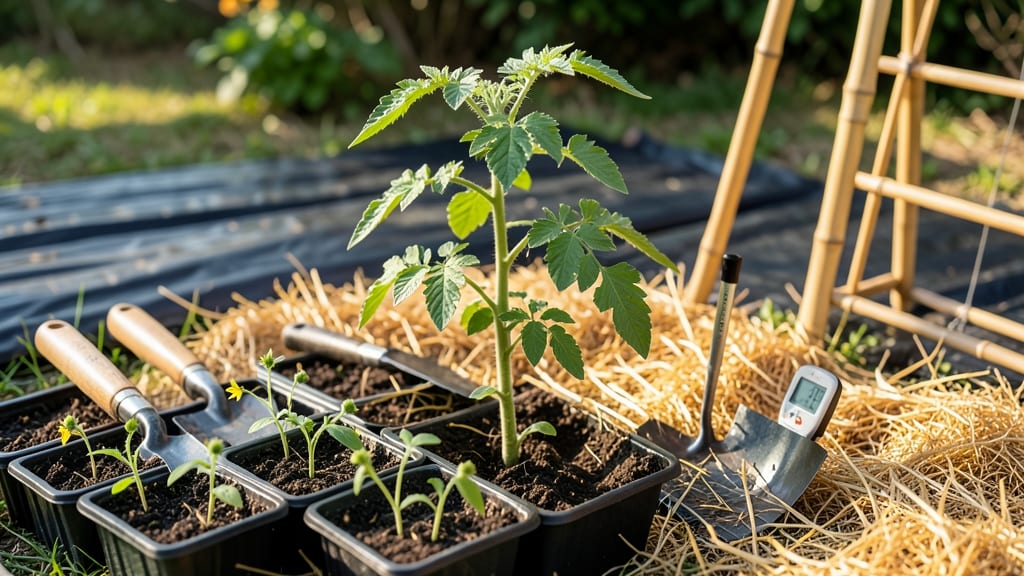
Planting tomatoes in Iowa isn’t just about checking a calendar—it’s about outsmarting Mother Nature’s unpredictable spring shifts. With frost lingering until mid-April in USDA zones 5a-5b and black fly pressure building by June, timing matters more than most gardeners realize.
You’ve probably heard the generic advice to wait until after the last frost, but Iowa’s microclimates—from river valleys to urban heat islands—can push those dates 2-3 weeks earlier or later. That means planting too soon risks frost damage, while waiting too long cuts your harvest window short.
Here’s the game-changer: I’ll break down the exact planting windows for Iowa City, Des Moines, and rural areas, plus how to use cold frames or row covers to extend your season. No more guesswork—just data-driven deadlines like “plant after May 15” for maximum yield.
Whether you’re starting seeds indoors or buying transplants, these strategies will help you beat Iowa’s short growing season and enjoy homegrown tomatoes from July to September. Let’s get your garden on the right track.
Iowa’s tomato planting zones: USDA hardiness vs. frost-free reality
Iowa’s USDA Hardiness Zones 4-6 might suggest your tomato plants can handle cold snaps, but that’s not the whole story. The real magic number is your last average frost date, which varies wildly across Iowa—from April 15 in southern Iowa to May 15 in the north.
These dates, tracked by Iowa State University Extension, are your true planting deadlines, not the USDA zone.
For example, Des Moines typically sees its last frost around April 25, while Duluth (northeast Iowa) often waits until May 10.
Even within cities, microclimates matter: Urban heat islands in Des Moines can push last frosts 3-5 days earlier than rural areas, while river valleys like the Mississippi often frost 1-2 weeks later.
Here’s the kicker: Tomatoes need soil temps of 60°F+ to thrive, and Iowa’s soil warms slower than air temps. Even if your thermometer hits 70°F, your soil might still be 50°F—perfect for damping off disease.
That’s why soil thermometers (or your elbow—dig down 2 inches and check if it feels warm) are your best friends.
Let’s break down the critical planting windows by Iowa region, using real frost data from Iowa State Climate Office:
| Region | Avg. Last Frost | Safe Planting Window | Soil Temp Goal | Microclimate Notes |
|---|---|---|---|---|
| Southwest (Sioux City) | April 20 | Late April – Early May | 60°F+ | Dry prairie soils warm fastest; black plastic mulch speeds up soil temps. |
| Central (Des Moines) | April 25 | Early May | 60°F+ | Urban areas plant 3-5 days earlier; river valleys delay planting by 1 week. |
| Northeast (Dubuque) | May 5 | Mid-May | 60°F+ | Hilltop gardens frost earlier; valleys stay warmer longer. |
| Southeast (Iowa City) | April 18 | Late April – Early May | 60°F+ | Limestone soils retain heat; plant 1 week earlier than central Iowa. |
If you’re starting tomatoes indoors (which I recommend for a head start), begin seeds 6-8 weeks before your last frost date. That means February 15 for southern Iowa and March 15 for northern areas.
Use grow lights or a sunny window—tomatoes need 12-16 hours of light daily to avoid leggy seedlings.
Pro tip: Hardening off seedlings (acclimating them to outdoor temps) takes 7-10 days. If you rush this, your transplants will shock and struggle—leading to stunted growth or even death. Start by setting them outside for 2 hours/day, then gradually increase to full sun.
One common mistake? Planting too late to avoid frost, only to have your tomatoes ripen in September’s cooler temps. This slows fruit development and increases blight risk. The solution? Choose early-maturing varieties (like ‘Early Girl’) and use row covers to extend your season by 2-3 weeks.
For container growers, black pots absorb heat faster than traditional terracotta, helping soil warm 5-10°F quicker. Place containers on south-facing patios or near foundation walls to maximize heat retention. Just remember: Containers dry out faster, so water daily in summer.
🌱
Microclimate hacks: how to plant tomatoes 2-3 weeks earlier (or later) without risking frost
Iowa’s unpredictable frost dates can leave gardeners scrambling, but with the right microclimate hacks, you can safely extend your tomato planting window by 2-3 weeks—or delay it without risking damage.
The key? Understanding how to manipulate soil temperature, protect young plants, and leverage Iowa’s unique geography to your advantage.
For example, urban heat islands in Des Moines can warm soil faster than rural areas, while river valleys like the Mississippi’s floodplain may experience later frosts.
By tailoring your approach to your specific location, you can avoid the transplant shock of rushing seedlings or the wasted effort of planting too early.
Here’s how to shift your planting timeline without gambling on Mother Nature:
Pro tip: Pair these hacks with fast-maturing varieties (like ‘Early Girl’ or ‘Stupice’) to maximize your extended season. For example, using black plastic mulch + row covers can let you plant ‘Stupice’ tomatoes in early April in Iowa City—harvesting 6 weeks earlier than traditional timelines.
Remember, the goal isn’t just to push limits but to balance risk and reward. If you’re planting 3+ weeks early, monitor forecasts closely and have backup row covers ready. A single late frost can wipe out unprotected seedlings in minutes.
For late-season planting, focus on heat-tolerant varieties (like ‘Solar Fire’) and use straw mulch to insulate roots as temperatures drop. With these strategies, you can extend harvests into October—just in time for canning or sharing with neighbors! 🍅