
Companion Plants
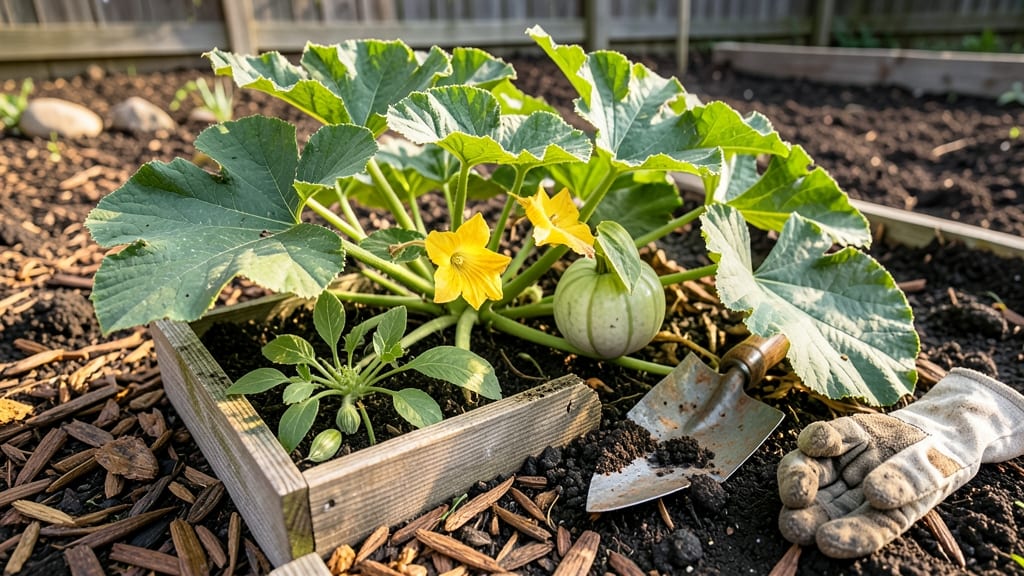
Knowing when to plant pumpkins in Ohio can mean the difference between a bumper crop of 🎃 and a sad, wilted vine. Ohio’s spring weather is famously fickle—one day warm enough to plant, the next hit with frost that’ll turn your seedlings into pumpkin popsicles.
If you’ve ever wondered why your pumpkin patch flopped (or thrived), the answer likely lies in timing. Plant too early, and frost will nip your vines in the bud. Too late, and you’ll miss the 90-day growing window needed for most varieties to mature before the first frost in October.
Here’s the good news: with Ohio’s USDA Zone 6a climate, you’ve got a clear window—mid-April to early June—to get those seeds in the ground. But not all pumpkins are created equal, and soil temperature plays a bigger role than you might think.
I’ll walk you through the exact dates, soil prep tips, and even which varieties grow best in Ohio’s short season. By the end, you’ll know exactly when to plant for a harvest that’ll make your neighbors jealous.
Ohio pumpkin planting dates by hardiness zone (5-7) with frost risk charts
Ohio spans USDA zones 5 through 7, and pumpkins thrive best when planted after the last average frost date—typically mid-April to early May for most regions. However, soil temperature matters more than air temperature: wait until the ground reaches 60°F (15°C) at a depth of 4 inches.
Cold soil slows germination, leading to weak seedlings vulnerable to disease.
In northern Ohio (zones 5a/5b), like Cleveland or Toledo, frost risk lingers until May 15, so aim for late May planting. Southern Ohio (zones 6a/6b/7a), including Cincinnati and Columbus, can start as early as mid-April if nighttime temps stay above 50°F (10°C).
Use a soil thermometer to confirm readiness—don’t guess!
Here’s the critical rule: Pumpkin vines take 90–120 days to mature, so you must plant early enough to harvest before Ohio’s first frost (mid-October).
For example, a 90-day variety planted on May 1 in Columbus (zone 6a) will be ready by late July, leaving plenty of time for a second crop if desired.
🎃
Pro tip: Northern Ohio gardeners can start seeds indoors 2–3 weeks before the last frost date to give seedlings a head start. Use biodegradable pots to transplant without disturbing roots. For southern Ohio, direct sowing works well—just cover seedlings with row fabric if a late frost sneaks in.
Ohio’s microclimates can shift planting dates by weeks. Urban areas like Cleveland often experience 2–3°F cooler nights than rural zones, delaying soil warming. If your garden sits in a low-lying spot or near a lake, wait an extra week to plant—cold air pools in these areas, increasing frost risk.
For extended harvests, choose fast-maturing varieties (75–90 days) and plant a second crop in early June. This works in zones 6b and 7a, where frost-free days stretch to 180+ days. Just be prepared to harvest early if temps drop sooner than expected.
🌱
Always check your local cooperative extension service for hyper-local frost data. For example, Ohio State University Extension provides county-specific frost charts that account for recent climate shifts. Bookmark their garden hotline (1-800-BUY-FRESH) for real-time updates during planting season.
Remember: Pumpkins hate cold feet. Even if daytime temps feel spring-like, nighttime dips below 50°F (10°C) can stunt growth. Use a minimum-maximum thermometer to track overnight lows—this is your best defense against failed crops.
How to adjust pumpkin planting dates for Ohio’s microclimates and soil conditions
Ohio’s diverse landscapes mean your neighbor’s perfect pumpkin patch might not work for your backyard. Urban heat islands, clay-heavy soils, and even north-facing yards can shift your ideal planting window by weeks. The key is adapting to your specific conditions while keeping those soil temperatures above 60°F and frost risks at bay. If you’re gardening in urban areas like Columbus or Cleveland, concrete and asphalt can create microclimates that warm up faster in spring. This might let you plant 1-2 weeks earlier than rural zones, but always verify with a soil thermometer. Meanwhile, clay-heavy soils common in southern Ohio (like in Cincinnati) drain poorly, delaying planting until after mid-May when moisture stabilizes.For raised beds, you can push planting dates earlier by 2-3 weeks since they warm up faster and drain better. Just ensure the bed is at least 12 inches deep to accommodate sprawling vines.
If your yard has shady spots, choose compact varieties like ‘Jack Be Little’ (60 days) and plant in the sunniest corner possible—even full sun isn’t enough for standard pumpkins in partial shade.
🌱 Pro Tip: Use row covers or cold frames to extend your season by 2-4 weeks on either end. Remove covers when flowers appear to allow pollination. For late varieties, consider black plastic mulch to warm soil faster—this can shave off 10-14 days from your growing timeline.
Ohio’s clay soils (common in the Appalachian region) need special prep. Amend with compost or aged manure 4-6 weeks before planting to improve drainage. In sandy soils (like parts of northwest Ohio), add peat moss or coconut coir to retain moisture.
Test your soil’s pH—pumpkins thrive in 6.0-7.0 range, and lime may be needed if your soil is too acidic.
💧 Watering Hack: If you’re planting in May or early June, prioritize deep watering (1-2 inches per week) to help roots establish before summer heat sets in. Drip irrigation is ideal—it delivers moisture directly to roots and reduces fungal risks from overhead watering.
For container growing, choose bush varieties like ‘Sugar Pie’ (75 days) and plant in 5-gallon pots with a fast-draining mix. Containers warm up faster, so you can plant 3 weeks earlier than in-ground, but they’ll need daily watering in summer.
Place pots on heat-absorbing surfaces (like black plastic) to boost soil temps.
📋 **Pre-Planting