
Companion Plants
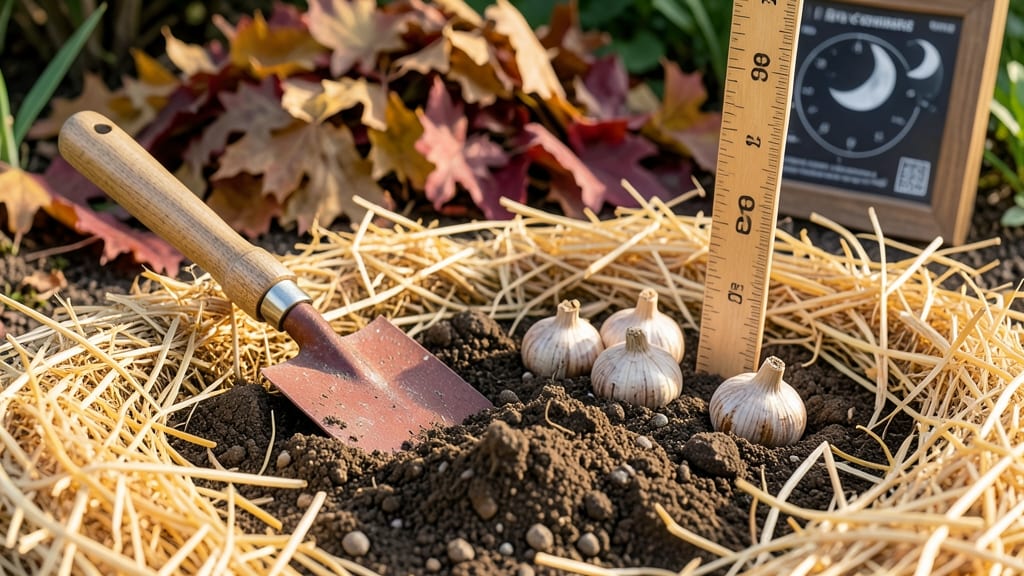
Planting bulbs in the fall is your golden ticket to a showstopping spring garden—but miss the window, and you’re basically throwing money into the dirt. The exact timing matters more than you think, especially in USDA Zone 6a where winters can be unpredictable.
Most gardeners swear by planting 6-8 weeks before the first frost, but that’s just the starting point. Whether you’re growing tulips, daffodils, or hyacinths, knowing the ideal weeks for your region—plus soil prep and bulb care—is the difference between blooms and busts.
Let’s break down the science so you can plant with confidence and skip the guesswork.
Think you can just toss bulbs in the ground anytime in September or October? Not so fast. The key is understanding how soil temperature, frost dates, and even bulb types (like early vs. late bloomers) change the game.
I’ll walk you through the critical signs your bulbs are ready—and the three mistakes that silently sabotage your garden every year.
Ready to avoid winter loss and wake up to a garden bursting with color? Here’s how to time it perfectly, protect your investment from harsh weather, and ensure your 🌱 bulbs thrive until spring. No more wasted bulbs, just vibrant blooms.
The exact weeks before frost to plant fall bulbs (by climate Zone)
Timing is the single most critical factor for fall bulb success. Plant too early, and roots won't establish before winter. Plant too late, and bulbs may rot in cold, wet soil.
The ideal window is 6-8 weeks before your first hard frost, but this varies dramatically by USDA zone and local climate.
For example, in Zone 3-5 (northern U.S. and Canada), aim for late September to mid-October. In Zone 6-7 (Midwest and Northeast), October is prime time.
Southern gardeners in Zones 8-10 can plant as late as December, but avoid winter rains. Always check your local frost date—extension offices provide precise data.
Soil temperature matters more than air temperature. Bulbs need 40-50°F soil to root before winter. Use a soil thermometer to confirm. In warm climates, plant early—even August works for daffodils and alliums, which tolerate heat better than tulips.
Here’s a zone-by-zone breakdown of your planting window, including soil prep tips for each region:
| USDA Zone | Ideal Planting Window | Soil Temp Goal | Best Bulbs for Zone |
|---|---|---|---|
| 3-5 | Late September–Mid October | 40–50°F | Tulips, Hyacinths, Crocus |
| 6-7 | October (Early–Mid) | 50–55°F | Daffodils, Alliums, Fritillaries |
| 8-10 | November–December | 60–65°F | Rain Lilies, Snowdrops, Cyclamen |
🌱 Pro Tip: In Zone 8+, plant in winter (Dec–Jan) to avoid summer heat stress.
Regional microclimates add complexity. For instance, Pacific Northwest gardeners should plant 2 weeks earlier than inland areas due to cooler soils. Conversely, Desert Southwest zones may need shade cloth post-planting to prevent winter drying. Always adjust for your specific location—not just the zone.
Now that you’ve nailed the timing, let’s tackle 3 deadly mistakes that sabotage even perfectly timed plantings. Overwatering after planting is #1—bulbs need moisture to root, but soggy soil invites rot. Plant depth is #2: most bulbs go 3x their height deep (e.g., 6 inches for tulips).
And #3? Ignoring drainage—bulbs in containers or heavy clay soil will fail without holes or amendments.
For problematic climates like heavy rain zones or areas prone to frost heave, mulch with 4–6 inches of straw or leaves after planting. In container gardens, use well-draining mixes and bury pots halfway in the ground for insulation. These tweaks can double your survival rate in high-risk areas.
Ready to plant? Grab your bulb planter and soil thermometer, then check your local frost date one last time. The 6–8 week rule is your golden ticket to zero winter loss—and a garden bursting with spring color.
The exact weeks before frost to plant fall bulbs (by climate Zone)
Timing is the secret weapon for fall bulb success—plant too early, and bulbs may sprout prematurely; too late, and frost kills them. The golden window is 6-8 weeks before your first hard frost, but this shifts dramatically by USDA zone.
For example, in Zone 5, aim for mid-September to early October, while Zone 9 gardeners can plant until December. Always check your local frost date (use the National Weather Service or Almanac.com) to calculate your exact window.
Soil temperature is just as critical as frost dates. Bulbs need 60°F soil to start rooting but must avoid freezing before roots establish (typically 4-6 weeks of growth before winter). In northern climates (Zones 3-5), this means planting by late September—any later risks frost heave or rot.
Southern zones (Zones 7-10) have more flexibility, but avoid planting after November unless you’re in a mild microclimate.
🌱 Fall Bulb Planting Timeline by USDA Zone
| Zone | Ideal Planting Window | Soil Temp Threshold | Key Bulb Types |
|---|---|---|---|
| 3-4 | Mid-August to early September | 60-65°F | Tulips, Daffodils, Alliums |
| 5-6 | Late September to early October | 55-60°F | Hyacinths, Crocuses, Snowdrops |
| 7-8 | October to November | 50-55°F | Lilies, Fritillaries, Rain Lilies |
| 9-10 | November to December | 45-50°F | Daffodils, Paperwhites, Cyclamen |
Pro Tip: Use a soil thermometer to confirm temps—60°F is the magic number for root growth.
Regional variations matter too. In Pacific Northwest (Zone 7-8), October rains can delay planting—wait until soil drains well to avoid rot-prone conditions. Meanwhile, Southeastern gardeners (Zone 8-9) often plant into early December, but avoid heavy clay soils that stay soggy.
For container gardening, plant 2-4 weeks earlier since pots freeze faster than ground soil.
Don’t overlook bulb types—some are more frost-tolerant than others. Daffodils and alliums handle cold snaps better than tulips or hyacinths, which need consistent soil temps above 40°F for rooting.
If you’re in a transition zone (e.g., Zone 6b/7a), opt for hardy varieties like 'Ice Follies' daffodils or 'Gladiator' tulips, which thrive in shorter growing seasons.
One common mistake is planting based on air temperature alone—soil stays warmer longer. For example, a 50°F air temp in October might hide 65°F soil, tricking you into planting too early.
Use a moisture meter or bury a thermometer for 24 hours to check. If soil is below 55°F, wait 1-2 weeks.
Finally, adjust for microclimates. A south-facing slope warms faster than a north-facing yard, so plant earlier in sunny spots. If your garden has poor drainage, amend soil with compost or sand to prevent waterlogged bulbs.
With the right timing and prep, your spring blooms will be lush and early—worth the 6-8 week wait!