
Plants
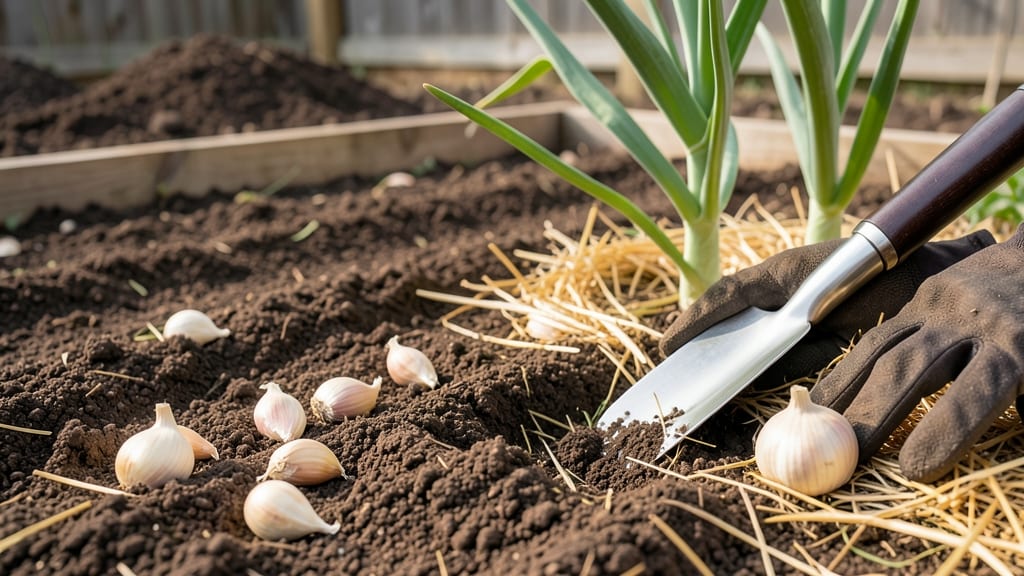
If you’ve ever planted garlic 🧄 in Illinois only to watch your crop vanish under winter’s first frost, you’re not alone—and the fix is simpler than you think.
The secret to thriving garlic lies in planting it at the perfect fall window, when soil temps dip but frost hasn’t arrived yet.
For Illinois gardeners in zones 5-6, timing is everything: too early, and your cloves rot; too late, and they freeze. But with the right deadlines—late September to early November—you’ll unlock bold, flavorful bulbs by next summer.
Let’s break down the exact weeks to plant, plus how to protect your crop if winter arrives early.
Hardneck varieties (like Rocambole) need 4-6 weeks before the ground freezes, while softnecks are more forgiving. I’ll show you how to adjust for Illinois’ unpredictable climate, so you can avoid common mistakes that kill crops before they even sprout.
Ready to grow garlic that’s hardier than ever? Grab your gloves—we’re diving into the step-by-step schedule that’ll turn your fall planting into next year’s harvest goldmine.
Illinois garlic planting deadlines by variety: hardneck vs softneck vs elephant garlic
Timing garlic planting in Illinois depends on your variety and USDA Zone (typically 5-7). Hardnecks thrive in colder zones, while softnecks prefer milder winters. Elephant garlic bridges the gap but needs slightly later planting. Let’s break down the exact deadlines and soil conditions for each type to avoid winter loss.
For Illinois gardeners, the ideal window is 4-6 weeks before the first frost. In most areas, this means planting between late September and early November. However, hardnecks can handle earlier planting, while softnecks and elephant garlic need a later start to avoid frost damage.
🌱 Key rule: Soil temperatures should be below 40°F at planting time. Use a soil thermometer to check—if it’s still warm, wait a few weeks. Cold soil helps prevent rot and encourages strong root growth before winter.
| Variety | Planting Window (Illinois) | Soil Temp Requirement | Hardiness Notes |
|---|---|---|---|
| Hardneck (e.g., Rocambole, Purple Stripe) | Late September - Mid-October | 40-50°F | Cold-hardy; best for zones 4-6. Plant earliest for scapes in summer. |
| Softneck (e.g., Silverskin, Artichoke) | Mid-October - Early November | 35-45°F | Less cold-tolerant; store better but need milder winters. |
| Elephant Garlic | Late October - Early November | 38-45°F | Mildly cold-hardy; larger cloves but slower to mature. |
🌡️ Pro Tip: Use a soil thermometer to confirm readiness. If temps drop below 35°F before planting, insulate with mulch or wait.
If you’re in northern Illinois (Zone 5), aim for planting by October 15th for hardnecks. In southern Illinois (Zone 7), you can push it to November 1st, but avoid planting after November 15th—cloves won’t root properly before winter.
Missed the window? Don’t panic. If frost hits before planting, cover cloves with mulch and plant as soon as the ground thaws in early spring. While yields may be smaller, you’ll still get edible garlic. Just avoid softnecks in this scenario—they’re the most frost-sensitive.
🌱 Remember: The pointy end of the clove always faces upward. Planting it upside down stunts growth. Use a stick or pencil to mark rows—garlic is a perennial and will reappear year after year if left in the ground.
For best results, amend your soil with compost and a balanced fertilizer (5-10-10) before planting. Garlic loves well-draining soil with a pH of 6.0-7.0. Test your soil in early fall to adjust if needed.
Once planted, mulch heavily with straw or leaves to insulate cloves from freeze-thaw cycles. This prevents heaving (when soil expands and pushes cloves out of the ground). Aim for a 4-inch mulch layer after the first frost.
🌱 Final deadline reminder: If you’re in Chicago or northern Illinois, October 31st is your absolute last date for hardnecks. For softnecks and elephant garlic, November 10th is the cutoff. After that, your garlic may rot before spring.
How to adjust planting dates for Illinois’ unpredictable winters (avoiding frost damage)
Illinois’ winters are famously fickle—one year you’ll get mild October weather, and the next, a hard frost hits by Halloween. The key to success is flexibility. If your first frost arrives early, you’ll need to plant garlic sooner or use protective strategies.
Conversely, if winter lingers, you might extend your planting window into early November.
Most Illinois gardeners aim to plant garlic 4-6 weeks before the ground freezes. For USDA Zones 5-6, this typically means late September to early October. But if temperatures drop unexpectedly, garlic cloves can survive light freezes (down to 15°F) if planted deep enough and mulched properly.
Here’s how to adjust your timeline when Mother Nature throws curveballs:
Early Frost Warning: If frost threatens before your ideal planting window, plant garlic 2-3 weeks early. Use black plastic mulch or a thick straw layer (6+ inches) to insulate soil.
Late Fall Extension: If temperatures stay mild, you can plant garlic as late as early November. Choose softneck varieties, which tolerate cooler soils better than hardnecks.
Microclimate Selection: Plant garlic near south-facing walls or under tree canopies to trap heat. These spots can delay frost by 1-2 weeks compared to open ground.
Soil Insulation: Before the ground freezes, cover planted garlic with straw or leaves (8+ inches thick). This adds 5-10°F of protection to the soil.
Backup Plan: If frost hits before planting, store garlic cloves in the fridge (35-40°F) until soil thaws. Plant as soon as possible in early spring, but expect smaller bulbs.
For Illinois gardeners, the last reliable planting window is typically the first two weeks of November. After that, the risk of frost damage to emerging shoots increases significantly.
If you’re unsure about your local frost dates, check the Old Farmer’s Almanac or use a soil thermometer—garlic cloves need soil temps between 40-50°F to sprout successfully.
Pro tip: Plant a test row of garlic in late October. If it survives the winter, you’ll know you can safely push your planting date later next year. If not, adjust your timeline accordingly for future seasons.
Remember, garlic is a cool-season crop, so the earlier you plant, the larger your bulbs will grow. But don’t rush—well-timed planting beats late planting every time. 🌱