
Plants
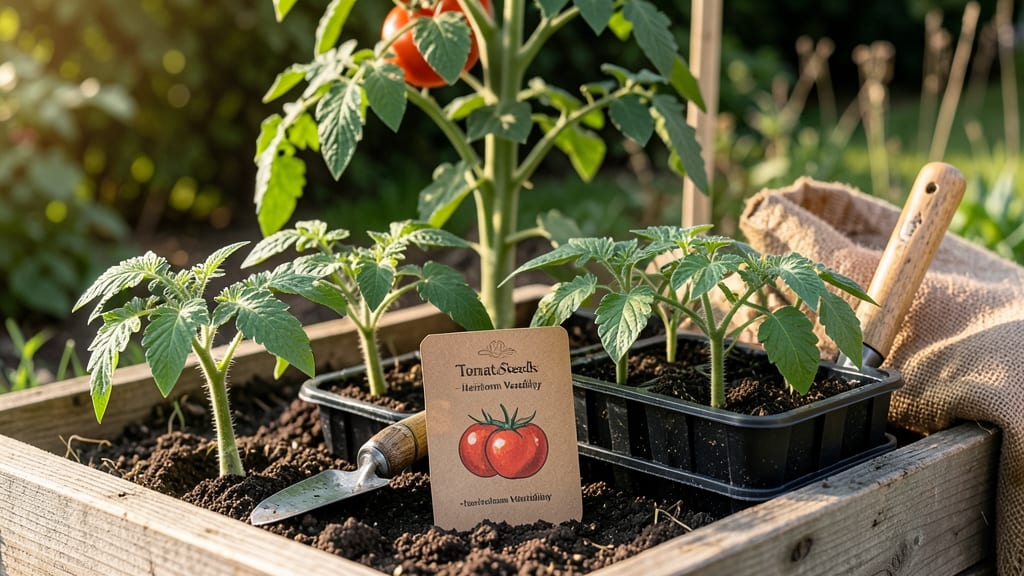
Timing when is the best time to plant the tomatoes in Virginia isn’t just about avoiding frost—it’s about unlocking the best harvest possible for your specific zone. Whether you’re in 6a or 8a, getting this wrong means either frozen seedlings or a late, underwhelming crop.
The key? Planting when soil temperatures hit 60°F and nighttime lows stay above 50°F, which in Virginia typically lands between April 15 and May 15—but with a few critical tweaks.
Here’s the truth: Virginia’s diverse climate means your neighbor’s perfect timing might not work for you. Urban heat islands in Richmond can push planting earlier, while higher elevations in the Blue Ridge might need to wait.
I’ll break down exactly how to read your local frost data, adjust for microclimates, and even extend your growing season with simple tricks—so you’re not left scrambling when the first 50°F night hits.
You don’t need a degree in horticulture to nail this. Whether you’re starting seeds indoors for an early jump or direct-sowing after the last frost, I’ll walk you through the most important steps—from soil prep to transplanting—so your tomatoes thrive from June straight through October.
Let’s make sure your garden delivers the juiciest, most abundant harvest Virginia has to offer.
Ready to ditch the guesswork? By the end, you’ll know exactly when to plant, how to protect your crop, and which varieties perform best in your corner of the state. No more wasted seeds or disappointed harvests—just perfectly timed tomatoes.
Virginia’s tomato planting calendar by USDA zone: frost dates & heat-zone safeguards
Virginia’s USDA zones 4-8 create dramatic differences in tomato planting windows—what works in zone 4 (northern Virginia) fails in zone 8a (southern Virginia). The key? Soil temperature (must hit 60°F+) and last frost dates, which vary by 10-14 days across the state.
Let’s break it down by zone so you can plant with confidence.
For zone 4 (northern VA), aim for May 1–15 after the last frost (typically April 20–May 5). In zone 6a (central VA), you’ve got flexibility: April 15–May 1 works for both transplants and direct sowing.
Meanwhile, zone 8a (southern VA/Tidewater) can start as early as March 15 with protection, or April 1–15 for direct sowing.
🌱Pro Tip: Use a soil thermometer—tomatoes won’t thrive until the ground warms to 60°F+. Cold soil delays germination and invites damping-off disease. Check daily if spring temps fluctuate!
| USDA Zone | Last Frost Date | Ideal Planting Window | Soil Temp Requirement | Notes |
|---|---|---|---|---|
| 4 (Northern VA) | April 20–May 5 | May 1–15 (transplants) | 60°F+ | Use row covers for early starts |
| 5b (SW VA) | April 10–20 | April 25–May 10 | 60°F+ | Direct sow after last frost |
| 6a (Central VA) | April 1–15 | April 15–May 1 | 60°F+ | Best for both transplants & direct sow |
| 7a (Richmond) | March 25–April 5 | April 1–15 | 60°F+ | Urban areas may need black plastic mulch |
| 8a (Tidewater) | March 1–15 | March 15–April 15 | 60°F+ | Start early with cold frames |
Microclimates complicate things—urban areas (like Arlington or Richmond) can be 5–10°F warmer than rural spots due to heat islands. If you’re in a concrete-heavy neighborhood, soil warms faster, letting you plant 1–2 weeks earlier.
Conversely, shady yards or high-elevation gardens (like Blue Ridge Mountains) may need delayed planting.
For direct sowing (planting seeds outdoors), wait until nighttime temps stay above 50°F—this prevents seedling shock. If you’re transplanting seedlings, harden them off for 7–10 days before planting. Acclimate them to outdoor conditions by gradually increasing sun exposure each day.
🌡️Warning: Don’t rely solely on calendar dates. Check your local Virginia Cooperative Extension frost maps or use a frost alert app like FrostWatch. A late frost in May can still kill young plants—better safe than sorry!
In zone 8a, you can even try fall planting! Sow seeds August 1–15
5 Proven strategies to extend Virginia’s tomato growing season without frost damage
Virginia’s unpredictable spring frosts can turn your tomato dreams into wilted disappointment if you’re not prepared. But with the right tactics, you can safely plant 2-4 weeks earlier or even extend harvests into late fall.
These season-extending strategies work for both seedlings and direct-sown seeds, no matter your USDA zone.
First, black plastic mulch is a game-changer—it warms soil 10-15°F faster than bare earth, letting you plant 2 weeks earlier in spring. Lay it down 2-3 weeks before your target date and remove it in late summer to prevent overheating.
Pair it with row covers for extra frost protection until nighttime temps stay above 50°F.
Pro tip: Combine black plastic mulch + row covers for maximum early-season protection. And if you’re in Zone 6 or cooler, start seeds indoors 8-10 weeks before your last frost date—just be ready to harden off seedlings before transplanting.
With these tricks, you’ll turn Virginia’s short growing season into a tomato bonanza from June to October! 🍅