
Plants
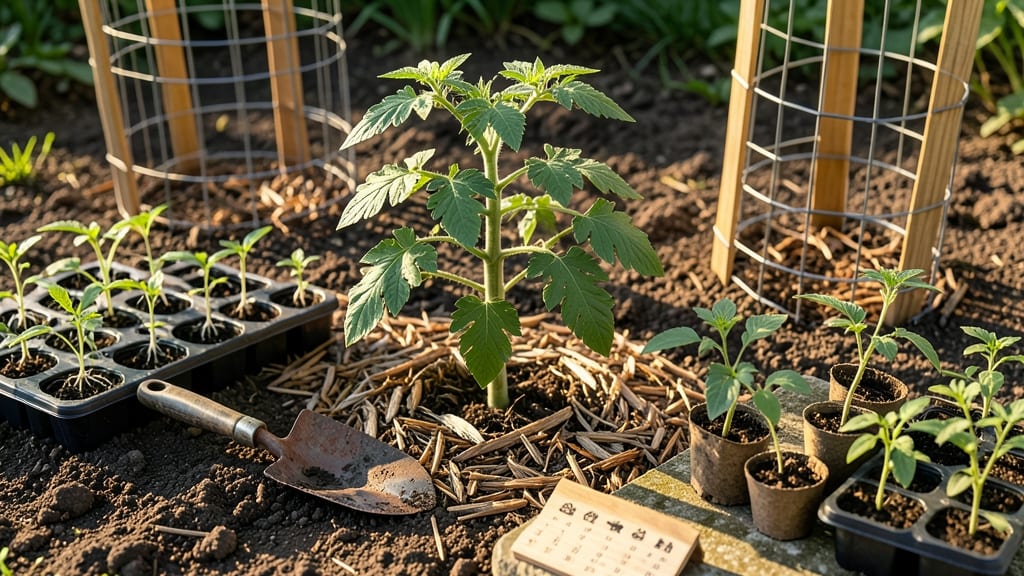
Planting tomatoes in Virginia at the wrong time can mean the difference between a bountiful harvest of juicy 🍅 and a sad, frost-nipped failure. The key isn't just waiting for spring—it's understanding your specific heat zone, soil warmth, and those tricky last frost dates that vary wildly across the state.
I've seen gardeners in the Coastal Plain rush to plant too early, only to watch their seedlings wilt when temperatures dip. Meanwhile, those in the Piedmont might hesitate too long, missing the perfect window.
The solution? A data-driven approach that accounts for Virginia's unique microclimates and how to time your planting for maximum success.
Whether you're starting seeds indoors or direct-sowing, we'll break down the exact planting windows for each USDA zone in Virginia. You'll learn how to use row covers, cold frames, and even succession planting to stretch your growing season—because in Virginia, timing really is everything for tomatoes.
Let's dive into the strategies that have helped gardeners across the state avoid frost damage and grow tomatoes that taste like summer all season long. Your perfect harvest starts with the right timing—and I've got the proven methods to share.
Virginia’s tomato planting calendar by heat Zone (USDA 5b-8a)
Virginia’s diverse climate—from the cooler Blue Ridge Mountains to the warmer Tidewater region—means your tomato planting window depends heavily on your USDA heat zone. The key is planting after the last average frost date but before soil temperatures dip below 50°F (10°C), which stunts growth.
Let’s break down the exact timing for each zone, so you can avoid frost damage and maximize your harvest.
For USDA Zone 5b (northern Virginia, like Roanoke and Blacksburg), your last frost typically falls between April 15–May 1. In Zone 6a (central Virginia, including Richmond and Charlottesville), you’ll see frost-free dates shift to March 30–April 15.
Meanwhile, gardeners in Zone 7a/7b (southeastern Virginia, like Norfolk and Virginia Beach) can plant as early as March 1–March 15.
Here’s the critical rule: Wait until soil temperatures reach 60°F (15.5°C) before transplanting seedlings outdoors. Cold soil locks out nutrients and delays growth. Use a soil thermometer to check—if it’s below 55°F (13°C), hold off planting.
Pro tip: In Zone 5b, consider using row covers to extend your window by 2–3 weeks.
For gardeners in Zone 8a (southern Virginia, near Emporia and Danville), your planting window opens even earlier—February 15–March 1. But don’t rush! Early planting in warm zones can lead to blossom-end rot if nights stay cool. Balance warmth with patience for the best results.
🌱 🌱
If you’re starting tomato seedlings indoors, begin 6–8 weeks before your last frost date. For Zone 5b, that means sowing seeds by March 1, while Zone 7a/7b gardeners can start as early as January 15.
Use a grow light to prevent leggy seedlings—tomatoes need 12–16 hours of light daily indoors.
For direct-sown tomatoes, wait until soil is warm and frost risk is minimal. In Zone 6a, direct-sow after April 15, while Zone 8a can start as early as March 1.
Choose determinate varieties (like ‘Celebrity’) for earlier harvests, or indeterminate types (like ‘Sungold’) for a longer season.
🌡️ 🌡️
Don’t forget to harden off seedlings before transplanting. Gradually expose them to outdoor conditions over 7–10 days, starting with 2–3 hours of sunlight and increasing daily. This toughens seedlings and reduces transplant shock.
In Zone 5b, where nights can still dip below 40°F (4°C), use black plastic mulch to warm soil faster and protect roots.
For late-season varieties, consider succession planting. In Zone 7a, you can plant a second batch of 60-day tomatoes in early July for a fall harvest. Just ensure your plants have 80–90
How to extend your Virginia tomato season: cold frames, row covers & succession planting
Virginia’s last frost dates can sneak up fast, but don’t let early spring or late fall limit your tomato harvest. With the right tools and techniques, you can safely plant 4-6 weeks earlier or extend harvests into October. The key? Understanding how to use row covers, cold frames, and succession planting to protect tender tomato seedlings from unpredictable Virginia frosts. Row covers act like a lightweight blanket, raising soil temperatures by 5-8°F while blocking frost. Meanwhile, cold frames create microclimates that can push planting back 30 days later than traditional schedules. Even succession planting—staggering seeds every 2 weeks—ensures a continuous supply of ripe tomatoes when others give up for the season.🌱 Extending Your Virginia Tomato Season
Plant every 2 weeks for continuous harvests.
Adds 5-8°F protection against light frosts.
Extends season 30+ days with controlled warmth.
Pro Tip: If you’re using row covers, remove them during the day in 75°F+ weather to prevent overheating. Monitor your plants closely—tomatoes stressed by heat or humidity are more susceptible to blossom-end rot or early blight.
A little extra care now means juicy, vine-ripened tomatoes well into autumn! 🍅