
Plants
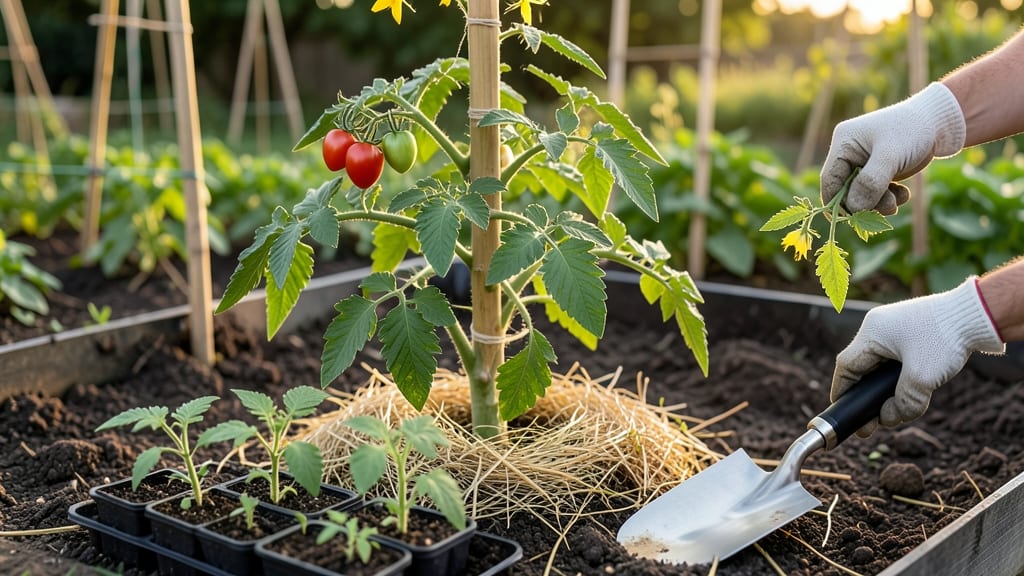
The best time to plant tomatoes in Georgia isn’t just about checking a calendar—it’s about outsmarting the state’s unpredictable heat and frost. One wrong move, and your 🍅 plants could bolt (flower too early) or wilt under summer’s brutal sun. But get the timing right, and you’ll enjoy juicy, homegrown tomatoes from June through October—no guesswork required.
Georgia’s USDA zones 7a-8b mean your planting window hinges on soil temperature, not just dates. Transplants thrive when nighttime temps stay above 50°F, while direct sowing waits for 60°F+ soil—usually mid-March to early April for transplants or late April to June for seeds.
Miss this, and you’re gambling with stunted growth or bitter fruit.
Here’s the game-changer: a heat-zone timeline tailored to North, Central, and South Georgia’s microclimates. We’ll cover frost dates, soil prep tricks (like black plastic mulch), and even how to stretch your season into summer without risking bolting. No more wasted seeds or sad, leggy plants—just bigger yields and sweeter tomatoes.
Ready to turn your garden into a tomato powerhouse? Let’s dive into the exact steps—from seed-starting indoors to transplanting—so you can enjoy that first ripe 🍅 of the season without the stress. Your future self will thank you.
Georgia’s tomato planting heat-Zone timeline by region (avoid bolting & stunted growth)
Georgia’s three distinct climate zones (North, Central, and South) mean your tomato planting window can vary by 4-6 weeks. In North Georgia (Zone 7a), you’ll want to plant 2-3 weeks earlier than in South Georgia (Zone 8b-9) to avoid heat stress or early bolting.
The key? Soil temperature—tomatoes need at least 60°F (15°C) to thrive, and air temps above 90°F (32°C) can stunt growth.
Most gardeners in Georgia focus on two main planting windows: early spring (March-April) for heirloom varieties and late spring (May-June) for heat-tolerant hybrids. But fall planting (August-September) is a hidden gem for a second harvest before frost.
The University of Georgia Extension recommends waiting until after the last frost date (typically mid-March in North Georgia to early March in South Georgia), but soil warmth is more critical than calendar dates.
Why timing matters: Planting too early risks cold soil and fungal diseases (like damping off), while planting too late exposes seedlings to intense summer heat, causing bolting (premature flowering) or sun scald. Georgia’s clay-heavy soils also slow warming—black plastic mulch can raise soil temps by 5-10°F faster than bare ground.
Here’s how to match your region, variety, and planting method to Georgia’s heat-zone risks:
| Region | USDA Zone | Last Frost Date | Ideal Planting Window | Heat Risk | Best Varieties |
|---|---|---|---|---|---|
| North Georgia | 7a | Mid-April |
Transplants: Mid-March to early April Direct Sow: Late April to early May |
Moderate (cooler nights) | ‘Early Girl’, ‘Stupice’, ‘Cherokee Purple’ |
| Central Georgia | 7b-8a | Early April |
Transplants: Late March to early April Direct Sow: Early May to mid-May |
High (hotter summers) | ‘Celebrity’, ‘Solar Fire’, ‘Heatmaster’ |
| South Georgia | 8b-9 | Late March |
Transplants: Early April Direct Sow: Mid-May to early June |
Very High (long, intense heat) | ‘Arkansas Traveler’, ‘Southern Exposure’, ‘Sun Gold’ |
🌡️ Pro Tip: Use a soil thermometer—tomatoes won’t germinate below 55°F (13°C) or grow well above 95°F (35°C).
For North Georgia gardeners, early March starts indoors give seedlings a head start, but harden them off by late March to avoid transplant shock when moving outdoors.
In Central and South Georgia, direct sowing in May often yields better results than early transplants, as the soil warms faster and heat stress is less likely to bolt young plants.
Heat-tolerant varieties like ‘Solar Fire’ or ‘Heatmaster’ are your best bet for Central and South Georgia, but even they struggle if planted too early. Succession planting—sowing new seeds every 2-3 weeks from May to July—ensures a continuous harvest and spreads out heat-risk exposure. Just be sure to mulch heavily (with straw or black plastic) to keep roots cool.
One common mistake Georgia gardeners make? Ignoring microclimates. A south-facing raised bed warms up 2-3 weeks earlier than a north-facing in-ground plot.
If your yard has partial shade (like near a fence or tree), opt for cherry tomatoes (faster to mature) or ‘Mountain Merit’, which tolerates less direct sun than most varieties.
Finally, don’t overlook fall planting—it’s your secret weapon for a second harvest. In North Georgia, sow seeds in August for a September-October crop; in South Georgia, aim for July-August plantings.
Just choose fast-maturing varieties (like ‘Early Girl’ or ‘Sweet 100’) to beat the first frost (usually mid-November).
With Georgia’s long growing season and intense heat, nailing your planting timeline is the difference
5 Proven strategies to extend your Georgia tomato season (even after the ‘safe’ planting window)
Georgia’s long, brutal summers can turn your tomato plants into crispy critters if you don’t adapt. But with the right tricks, you can push your harvest window well beyond the traditional spring planting—even into late summer when most gardeners give up.
Here’s how to outsmart the heat and keep tomatoes thriving when the thermometer climbs.
First, shade cloth is your secret weapon. Stretch a 30-50% shade cloth over young plants during peak afternoon heat (12 PM–4 PM). This blocks just enough sun to prevent wilting while still allowing photosynthesis.
I’ve seen cherry tomatoes ripen in August under shade cloth when bare plants would’ve bolted by July.
Next, mulching isn’t just for weeds. A 4-6 inch layer of straw or black plastic mulch keeps soil 5-10°F cooler than bare ground. Black plastic also speeds up soil warming in spring, giving you a 2-week head start on planting.
Pro tip: Reflective mulch (like silver plastic) can boost yields by 20% in Zone 8b+ by bouncing light onto fruit.
For late-season starts, a cold frame or low tunnel buys you 4-6 extra weeks of growing time. Cover young plants with a clear plastic hoop house to trap heat at night and shield them from frost risks in October-November.
I’ve grown ‘Solar Fire’ tomatoes until mid-November using this method—long after most gardens are frozen.
Don’t overlook heat-tolerant varieties. ‘Celebrity’ and ‘Solar Fire’ handle 90°F+ temps like champions, while ‘Heatmaster’ produces fruit even when other plants wilt. These aren’t just survivors—they’re high-yielders in Georgia’s Zone 8b climate. Pair them with drip irrigation to avoid wetting leaves (which fuels fungal diseases).
Finally, succession planting in late May-June lets you harvest tomatoes when spring crops fade. Space plants 18-24 inches apart and use trellises to save space. With these tricks, I’ve turned my Georgia garden into a year-round tomato machine—no more sad, bolted plants!