
Plants
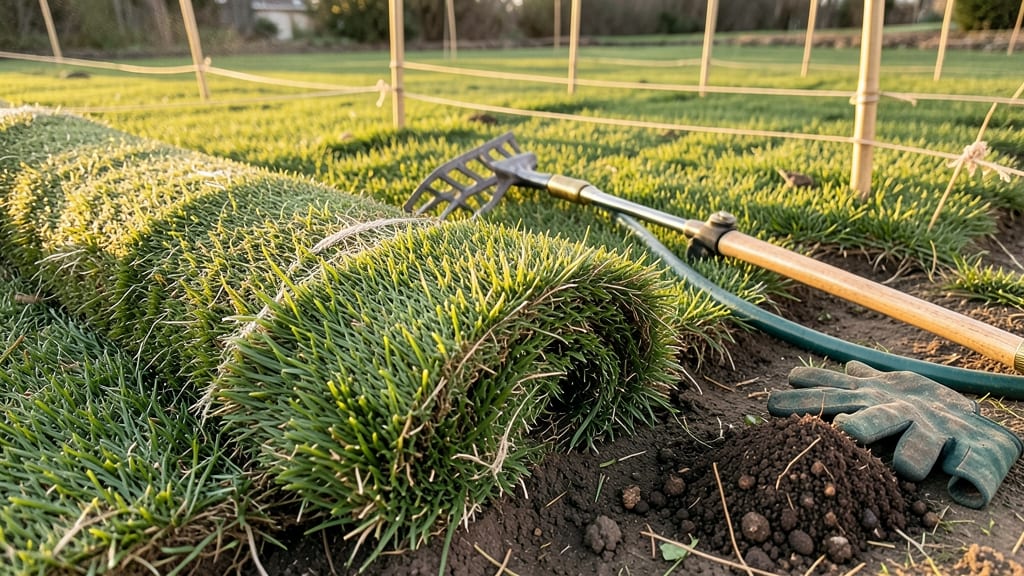
Planting sod at the wrong time in Texas can turn your dream of a lush lawn into a frustrating gamble—especially when extreme heat or drought threatens your investment.
The best time to plant sod in Texas isn't just about the calendar; it's about soil temperatures, regional heat zones, and avoiding those scorching summer months when roots struggle to take hold.
If you've ever watched your sod turn brown or fail to root properly, you know timing is everything. Whether you're in North Texas with its cooler winters or South Texas where the heat lingers longer, understanding your local climate is the key to success.
I'll break down the ideal planting windows so you can get that fast root establishment your lawn deserves.
From preparing your soil to choosing the right sod type for your heat zone, we'll cover all the steps to ensure your new lawn thrives. Let's dive into how to make your Texas lawn the envy of the neighborhood—starting with the perfect planting schedule.
Don't let another season pass with patchy grass when you could have a vibrant, healthy lawn. The right timing makes all the difference, and I've got the insights to help you get it right the first time.
Texas sod planting calendar by heat zone: optimal months for fast root growth
Texas' diverse climate means North Texas (like Dallas) and South Texas (like San Antonio) have wildly different sod planting windows. I’ve broken it down by USDA zones 8a-10b so you can plant when roots thrive—not when they struggle.
For North Texas (zones 8a-8b), aim for late February to early April or late August to mid-October. The key? Soil temps must stay above 60°F—any colder, and roots stall.
South Texas (zones 9a-10b) can plant January-February or September-October, but avoid summer heat (100°F+), which causes root burn.
Here’s the golden rule: Plant when daytime highs are 85°F or lower and nighttime lows stay above 55°F. Use a soil thermometer—if it’s below 60°F, wait. Rainfall matters too: 1 inch per week is ideal during establishment.
Central Texas (Austin area, zone 8b) sits in the middle—plant March-April or September. The fall window is my top pick here because cooler temps + consistent rain give sod the best shot at deep root growth before winter.
| Texas Region | USDA Zone | Best Planting Months | Soil Temp Threshold | Rainfall Needs |
|---|---|---|---|---|
| North Texas (Dallas, Fort Worth) | 8a-8b | Late Feb–Early Apr Late Aug–Mid Oct |
≥60°F | 1 inch/week |
| Central Texas (Austin, San Marcos) | 8b-9a | March–April September |
≥62°F | 1.5 inches/week |
| South Texas (San Antonio, Corpus Christi) | 9a-10b | Jan–Feb Sep–Oct |
≥65°F | 2 inches/week |
🌱 Pro Tip: Check your local AgriLife Extension for micro-climate tweaks!
Why these months? Spring (March-April) gives sod 6-8 weeks of warm soil before summer heat hits. Fall (September-October) avoids drought stress and lets roots establish before winter. I’ve seen sod planted in May fail miserably in 105°F heat—don’t make that mistake!
For Bermuda grass (common in North/Central Texas), late spring is better—it thrives in heat. But St. Augustine (South Texas favorite) needs shadier, cooler fall planting. Always match your sod type to the season.
If you’re in East Texas (like Tyler), add 2-3 weeks to the fall window—humidity slows root growth. Use a weather app to track 7-day forecasts before ordering sod. Rain delays? Reschedule—wet soil can suffocate new roots.
One more critical note: Avoid planting during drought warnings. Texas summers are brutal—if your area has water restrictions, wait until fall rains arrive. I’ve had sod orders canceled last-minute because of unpredictable storms—plan ahead!
Ready to dig deeper? Next, I’ll cover soil prep and weather checks to ensure your sod takes root like a pro. No guesswork—just science-backed timing for Texas lawns.
How to prepare your Texas lawn for sod planting: soil, weather, and pre-planting steps
Preparing your lawn before laying sod is the secret to a fast-growing, resilient turf. In Texas, where soil types vary wildly from clay in North Texas to sandy loam in the South, proper prep ensures your sod takes root within 2 weeks instead of struggling for months.
Start by testing your soil pH and fertility. Texas soils often lack organic matter, so amend with 2-3 inches of compost or aged manure. Aim for a pH between 6.0 and 7.5—most sod grasses thrive in this neutral range.
Use a soil test kit from your local extension office for precise results.
| Prep Step | Action | Texas-Specific Tip |
|---|---|---|
| Soil Test | Check pH and nutrients | Clay soils (North TX) need gypsum; sandy soils (South TX) need compost. |
| Level Ground | Remove rocks, fill low spots | Use a laser level for large areas to prevent water pooling. |
| Fertilize | Apply starter fertilizer (10-10-10) | Avoid high-nitrogen fertilizers in summer heat—they burn roots. |
| Irrigation Check | Test sprinkler coverage | South Texas needs drip irrigation due to water restrictions. |
Next, choose the right sod type for your Texas climate. Bermuda grass dominates South Texas for its drought tolerance, while St. Augustine thrives in Central Texas shade. North Texas favors Tall Fescue for cooler winters. Always buy sod from a local supplier to match your USDA hardiness zone.
Two days before planting, water your soil deeply to a depth of 6 inches. This ensures the sod has immediate moisture when laid. Avoid watering the day of installation—wet soil compacts easily, creating air pockets that strangle roots.
In drought-prone areas, consider a soil moisture sensor to track hydration levels.
Finally, check the 5-day weather forecast. Ideal conditions include temperatures between 60°F and 85°F with no rain for 24 hours after planting. If storms are forecasted, delay installation by a week.
In North Texas, aim for March-April planting; in South Texas, September-October is safest to avoid summer heat stress.
With soil prepped and weather checked, your sod will establish 3x faster and resist Texas heat and drought like a pro. Just remember: consistent watering for the first 14 days is non-negotiable! 🌱