
Plants
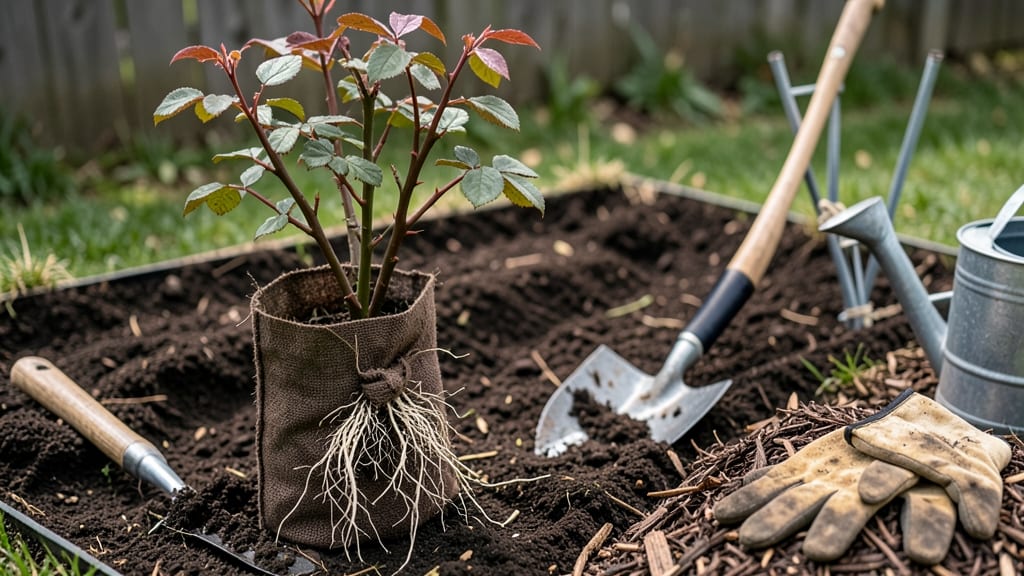
If you’ve ever dreamed of growing a stunning 🌹 rose garden in Arizona but wondered when is the best time to plant roses in this desert climate, you’re not alone.
The key to success isn’t just picking the right variety—it’s planting them at the perfect time to beat the heat and set your roses up for a thriving start.
Arizona’s climate is anything but ordinary, with 9b zone temperatures that can swing from mild winters to brutal summers. Most gardening guides tell you to plant roses in spring, but that’s a recipe for disaster here.
The best time to plant roses in Arizona is actually between November and March, when cooler temps give roots time to establish before the heat kicks in.
Why does timing matter so much? Because roses planted in the wrong season struggle to take hold, leading to weak growth or even death. I’ll show you exactly how to align your planting schedule with Arizona’s unique microclimates—whether you’re in Phoenix, Tucson, or Flagstaff—so you can enjoy blooms that last.
Ready to transform your yard into a fragrant oasis? Let’s dive into the desert-specific strategies that’ll make your roses thrive where others fail.
Arizona’s ideal rose planting windows: avoiding frost and Extreme Heat
Arizona’s 300+ frost-free days eliminate winter chill risks, but summer heat (often exceeding 105°F) creates a narrow window for planting roses. Unlike temperate climates, we focus on cool-season planting to give roots time to establish before the heat arrives.
The two best periods are late fall (November) and winter (December-February), when daytime temps stay below 75°F.
In Phoenix and Tucson, where summers are most brutal, planting in November or early December gives roses 4-5 months to root before June’s heat. Meanwhile, Flagstaff’s cooler high-desert climate (USDA Zone 7a) allows a slightly extended window into March.
Microclimates near mountains or shaded areas can push the window 1-2 weeks later.
| Planting Window | Ideal Temperature Range | Key Regions | Root Establishment Timeline |
|---|---|---|---|
| Late Fall (Nov) | 50°F–70°F | Phoenix, Tucson, Yuma | 4–5 months before summer heat |
| Winter (Dec–Feb) | 40°F–65°F | Flagstaff, Sedona, Prescott | 5–6 months before summer heat |
| Early Spring (Mar) | 60°F–75°F | High-altitude areas only | 3–4 months before summer heat |
⚠️ Critical: Avoid planting in April or later—roots won’t establish before 110°F+ heat stress.
If you miss the ideal window, bare-root roses (sold dormant) can be planted in October, but they’ll need extra care to survive until winter. Container-grown roses can stretch the window into early April in cooler microclimates, but they’ll require daily shade cloth until roots establish.
For container gardening, timing is less critical—you can plant year-round in pots, but winter months still offer the best survival rates. Use well-draining cactus mix and 5-gallon pots minimum to prevent overheating.
Watch for monsoon season (July–August), when sudden 90°F+ downpours can drown newly planted roses. If planting in late summer, choose rain shadow areas (like the west side of mountains) and use gravel mulch to improve drainage.
Pro tip: Test soil moisture before planting—if the top 6 inches are bone-dry, wait 1-2 weeks for natural rains. Arizona’s low humidity means roses dry out 3x faster than in coastal climates.
In Flagstaff and northern Arizona, where light frosts can occur, plant after December 20th to avoid 28°F dips. Use black plastic mulch in early winter to protect roots from cold snaps.
Remember: Roses planted in summer (May–September) will wilt within 2 weeks unless you invest in drip irrigation and shade cloth. The trade-off for cooler-season planting? Fewer pests (like spider mites) and stronger blooms the following spring.
How to prep Arizona soil for roses: desert-specific amendments and mulching
Arizona’s sandy, nutrient-poor soil is a rose gardener’s biggest challenge. Unlike lush eastern soils, our desert dirt drains too quickly and lacks organic matter, forcing roots to struggle.
The secret to success? Amending soil before planting to mimic the moisture-retention and fertility of native desert ecosystems—without turning it into soggy clay.
Start by testing your soil’s pH (6.0–6.5 is ideal for roses). Arizona’s alkaline soils often skew toward 7.5–8.5, which locks out essential nutrients. Use a vinegar-and-baking-soda test (or a soil kit) to check—if pH is above 7.0, amend with sulfur or peat moss 2–3 months before planting.
- 🌱 Step 1: Loosen Soil – Dig a 12-inch-deep hole and break up compacted layers with a garden fork. Sandy soil needs less amending (20% organic matter), while clay-heavy areas (common in Flagstaff) require 30–40%.
- 🪴 Step 2: Add Cactus Soil Mix – Blend 50% native soil with 30% compost (leaf mold or well-rotted manure) and 20% perlite or pumice. This mimics the drainage and aeration of desert landscapes.
- 💧 Step 3: Boost Water Retention – Mix in 1 cup of hydrogel crystals per hole to hold 10x its weight in water. For heavy clay, add coir fiber to prevent cracking.
- ✂️ Step 4: Mulch Strategically – Use 3–4 inches of gravel mulch (for heat reflection) or wood chips (for moisture retention). Avoid organic mulch near stems to prevent rot.
- 🌡️ Step 5: Adjust for Microclimates – In Phoenix/Tucson, add more perlite; in Flagstaff, prioritize compost for warmth. Test amended soil’s moisture by squeezing a handful—it should crumble, not stick.
Water deeply 2 weeks before planting to encourage root growth in the amended soil. If your area gets less than 10 inches of rain yearly (common in Yuma or Prescott), install a soaker hose near the planting hole to simulate monsoon-level moisture without runoff.
Pro tip: Plant roses 1–2 inches deeper than their container level to protect the graft union from heat stress. In Arizona, this means burying the crown 3 inches below soil—unlike northern climates where shallow planting is standard.
After planting, top-dress with compost annually in February to replenish nutrients lost to the desert sun. Avoid fresh manure, which can burn roots in our 110°F+ summers. Instead, use aged compost tea for a gentle nutrient boost.
For container roses, use a 50/50 mix of cactus soil and perlite, and repot every 2 years to refresh nutrients. Place pots on elevated stands to improve airflow and prevent root rot from monsoon downpours.
Remember: Over-amending is worse than under-amending in Arizona. Too much organic matter can hold moisture too long, inviting fungal diseases like black spot. Aim for a sandy-loam texture—like a desert’s natural balance.