
Plants
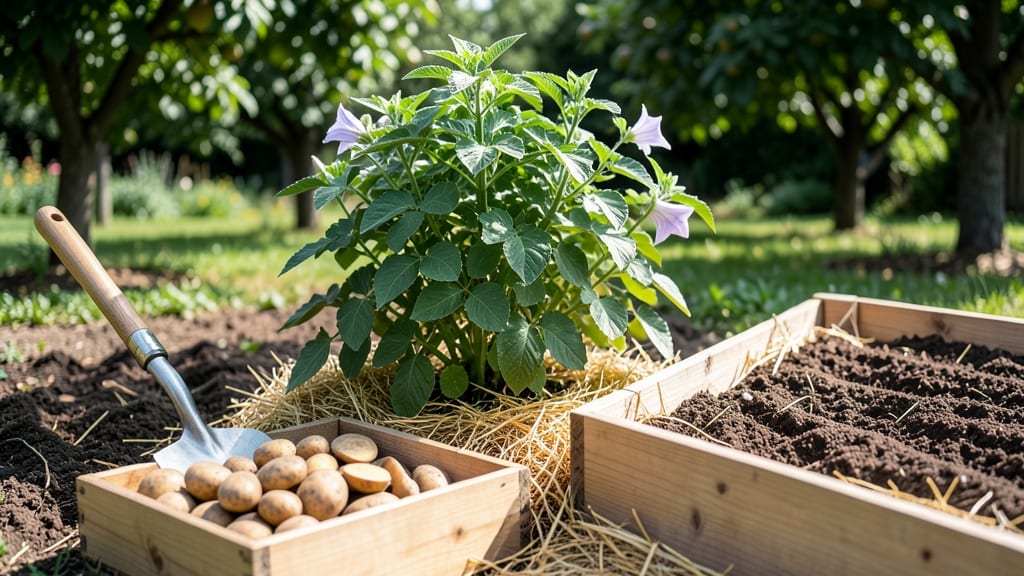
If you’ve ever planted potatoes in North Carolina only to watch them struggle through heat or frost, you’re not alone—timing is everything for that perfect harvest.
The best time to plant potatoes in North Carolina isn’t just about the calendar; it’s about matching your variety to the region’s unique chill-hour zones and frost patterns.
Gardeners in zones 7a-8b know that early spring (February–March) is the sweet spot, but late winter (January) can work too—if you’re using cold-hardy varieties like Yukon Gold or Kennebec.
The key? Planting 2-4 weeks before the last frost (usually around March 15) ensures tubers get the cool soil they crave before summer’s heat sets in.
Here’s the game-changer: North Carolina’s Piedmont and Coastal Plain have different microclimates, so your neighbor’s “perfect” timing might not work for you.
We’ll break down how to adjust for your specific zone, plus pro tips to extend your growing season—because nobody wants to miss out on a bumper crop of 🥔.
Ready to ditch the guesswork? Let’s dive into the chill-hour matching calendar and soil prep secrets that’ll turn your potato patch into the envy of the neighborhood.
North Carolina potato planting calendar by chill-hour zones (2024 guide)
North Carolina’s diverse climate—from the cool mountains to the humid coastal plains—means potato planting timing varies dramatically. The key? Chill-hour zones (3,000–5,000 hours) dictate when to plant for optimal tuber formation.
Mountain regions (e.g., Asheville) need earlier starts, while coastal areas (e.g., Wilmington) can wait until soil warms. Here’s how to match your zone to the perfect planting window.
Most NC gardeners focus on spring planting (February–March), but late-winter (January) and even fall (September–October) options exist for short-season varieties. The rule of thumb: Plant 2–4 weeks before your last frost date, when soil hits 45°F (7°C).
For example, Raleigh’s average last frost is March 15, so aim for early March plantings.
Here’s your NC chill-hour planting calendar, broken down by region and variety type. Use this to align your schedule with frost-free dates and avoid blight risks during NC’s hot, humid summers.
NC Potato Planting by Chill-Hour Zone & Variety
| Zone (Chill Hours) | Region Examples | Early Varieties | Mid Varieties | Late Varieties | Planting Window |
|---|---|---|---|---|---|
| 3,000–3,500 | Mountains (Asheville, Boone) | Yukon Gold, Red Norland | Kennebec, Russet | Sweet Potato (fall) | Jan 15–Feb 15 |
| 3,500–4,500 | Piedmont (Raleigh, Greensboro) | Kennebec, Red LaSoda | Yukon Gold, Fingerling | Purple Viking (fall) | Feb 1–March 15 |
| 4,500–5,000+ | Coastal (Wilmington, Fayetteville) | Early Red, Adirondack Red | Yukon Gold, Kennebec | Sweet Potato (fall) | March 1–April 1 |
*Adjust for fall planting (Sept–Oct) in zones 4,500+ only.
Notice how mountain zones (3,000–3,500 chill hours) can plant 6 weeks earlier than coastal areas? This aligns with NC’s 10–14°F temperature gradients between regions. For example, Asheville’s average last frost is March 30, while Wilmington’s is April 15—a 25-day difference that matters for early varieties like Red Norland.
Pro tip: Use row covers or cold frames to extend your mountain zone’s planting window into late January. This lets you harvest 2–3 weeks earlier than standard schedules, beating NC’s late-spring blight risks. Just remove covers when flowers appear to prevent overheating.
For coastal gardeners, focus on heat-tolerant varieties like Yukon Gold, which handle NC’s 90°F+ summers better than Russets. Plant in March and harvest by June 15 to avoid early blight, which thrives in humid coastal air. Mulch with straw to keep soil temps stable—critical for tuber formation.
Don’t overlook fall planting in zones 4,500+. While rare, September–October plantings of short-season fingerlings can yield Christmas potatoes by December. Use black plastic mulch to warm soil faster and protect from early frosts. Just be ready to harvest before first frost (avg. Nov 15 in Piedmont).
Remember: Soil temperature matters more than air temp. Use a soil thermometer to confirm 45°F (7°C) before planting. Cold soil delays sprouting, and wet, chilly conditions invite fungal diseases like late blight. Aim for well-draining, loose soil with pH 5.0–6.5 to prevent scab, a common NC issue.
Align your planting with NC’s moisture patterns too. Spring rains in March–April help establish roots, but overwatering in summer causes hollow hearts. Drip irrigation or soaker hoses keep moisture consistent without soggy
How to match potato varieties to NC’s soil and climate for maximum yields
North Carolina’s diverse microclimates—from the cool Appalachian foothills to the humid Coastal Plain—mean not all potato varieties thrive equally. The wrong match can lead to stunted tubers, disease susceptibility, or even total crop failure.
For example, Russet potatoes struggle in NC’s 90°F+ summers, while fingerlings often rot in waterlogged Piedmont soil. Here’s how to pair varieties with your local conditions for peak yields.
Start with soil type. NC’s clay-heavy Piedmont soils (like in Raleigh) need sandy loam amendments, while sandy Coastal Plain soils (e.g., Wilmington) benefit from compost or peat moss.
Test your soil’s pH (5.0–6.5)—too alkaline (7.0+) causes scab disease, while acidic (4.5–) stunts growth. Use lime to raise pH or sulfur to lower it, and always add 2–3 inches of organic matter before planting.
Next, match varieties to your climate zone. Mountain regions (e.g., Asheville) thrive with early-maturing types like Yukon Gold (90 days) or Red Norland (80 days), which handle cool springs and shorter summers.
Meanwhile, coastal areas (e.g., Wilmington) need heat-tolerant options like Adirondack Red or Kennebec, which resist early blight in humid air. Piedmont gardeners (e.g., Greensboro) can grow almost anything but should prioritize disease-resistant varieties like Purple Viking to combat NC’s wireworm infestations.
NC Potato Varieties by Climate & Soil Needs
| Variety | Best For | Days to Harvest | Soil Prep Tip | NC-Specific Risk |
|---|---|---|---|---|
| Yukon Gold | Mountains/Piedmont | 90 days | Add compost to clay soil | Wireworms |
| Kennebec | Coastal/Piedmont | 80 days | Raised beds for drainage | Early blight |
| Red Norland | Mountains | 75 days | Test pH (5.0–6.5) | Scab |
| Adirondack Red | Coastal | 60 days | Mulch with straw | Hollow heart |
| Purple Viking | Piedmont | 85 days | Rotate crops yearly | Late blight |
*All varieties need full sun (6+ hours) and consistent moisture.
Don’t overlook seed potato quality. NC gardeners often reuse store-bought potatoes, but these are treated to prevent sprouting. Instead, source certified seed potatoes from local nurseries (e.g., Johnny’s Selected Seeds or NC State Extension).
Cut larger tubers into 2–3 oz pieces with at least 2–3 eyes, then let them cure in sunlight for 3–5 days to form calluses—this prevents rot when planted. For coastal areas, choose smaller seed pieces (1 oz) to avoid overcrowding in sandy soil.
Adjust your planting depth based on soil type. In heavy clay (common in Piedmont), plant 4 inches deep to prevent greening (toxic solanine buildup). In sandy Coastal Plain soil, go 2–3 inches deep to encourage faster sprouting. Space rows 24–36 inches apart