
Plants
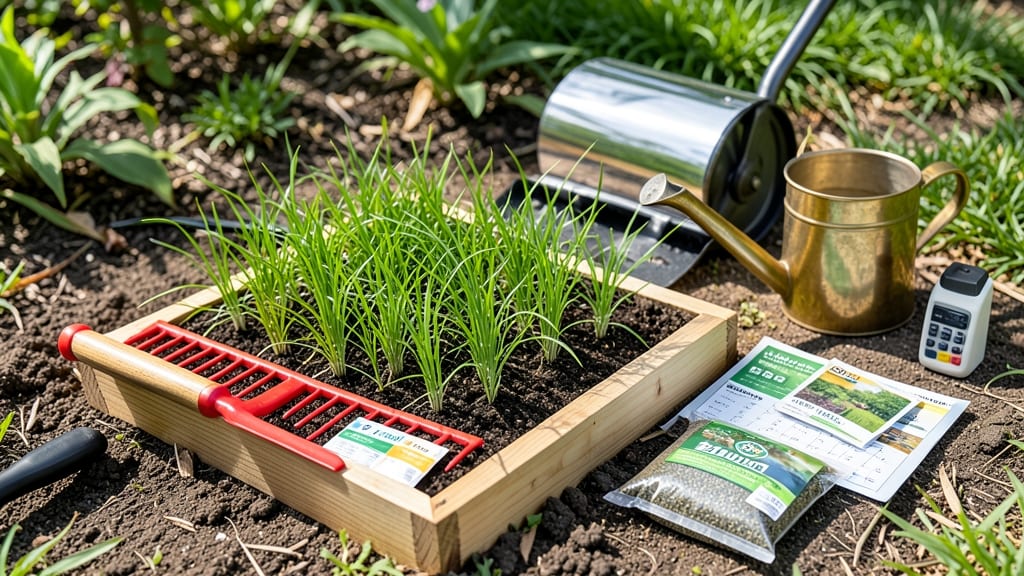
The best time to plant grass seed in Florida isn’t just about the calendar—it’s about outsmarting the heat, humidity, and coastal winds that can turn your lawn dreams into a soggy mess. Whether you're battling 8a-11 zone heat or battling salt spray near the coast, timing makes all the difference.
One wrong move, and you’ll waste seed, money, and months of effort waiting for your 🌱 to take root.
Most Florida gardeners swear by planting in spring or fall, when temperatures dip into the 65-80°F range—perfect for germination without scorching new grass. But here’s the catch: Coastal areas like Miami play by different rules than inland zones like Orlando.
The ocean breeze might trick you into thinking summer’s safe, but those same winds can dry out seedlings faster than you’d expect.
I’ve seen firsthand how a single degree too hot or too wet can ruin a lawn before it even starts. That’s why I’m breaking down the exact windows—when to plant, what to watch for, and how to adjust for your specific corner of Florida.
Ready to turn your patchy yard into a lush, green reality? Let’s get started.
You’ll learn how to read your soil’s temperature, spot the hidden risks of hurricane season, and even salvage a planting gone wrong. No more guessing—just science-backed steps to grow grass that survives Florida’s wildest weather. Your future lawn will thank you.
Florida’s best grass planting windows: coastal vs inland heat zone breakdown
Florida’s diverse climate zones mean your grass seed timing depends on whether you’re near the coast or inland. Coastal areas like Miami or Tampa have warmer winters and humid summers, while inland cities like Orlando or Gainesville experience hotter summers and cooler winters.
The 100-degree day rule—planting when the soil temperature drops below 100°F—helps avoid seed failure from extreme heat.
For coastal Florida, the best planting window is late summer to early fall (August–October). This avoids hurricane season (June–November) while giving seedlings time to establish before winter rains. Inland areas should aim for early spring (March–April) or late summer (July–August), when soil temperatures are ideal for germination.
St. Augustine grass, Florida’s most popular choice, thrives in shade and humidity but struggles in drought. Centipede grass, a low-maintenance option, prefers well-drained soil and warmer climates. Meanwhile, bahia grass and zoysia tolerate drought and heat, making them ideal for inland heat zones.
Here’s how temperature and rainfall impact your planting success:
| Zone | Best Planting Window | Ideal Soil Temp (°F) | Rainfall Considerations | Top Grass Varieties |
|---|---|---|---|---|
| Coastal (e.g., Miami, Tampa) | Late August–October | 70–80°F | Avoid hurricane season; use irrigation if dry | St. Augustine, Zoysia |
| Inland (e.g., Orlando, Gainesville) | March–April or July–August | 65–75°F (spring) or 80–90°F (summer) | Monitor drought; water deeply 2x/week | Centipede, Bahia, Zoysia |
| North Florida (e.g., Jacksonville, Tallahassee) | February–March or September–October | 60–70°F (spring) or 75–85°F (fall) | Watch for early frosts; use frost cloth if needed | Tall Fescue, Bermuda |
If you plant in summer, use shade cloth to protect seedlings from intense sunlight and water daily to prevent drought stress. For fall planting, focus on soil prep—amend with compost and fertilizer to boost root growth before winter rains arrive.
Pro tip: Test your soil pH (ideal: 6.0–7.0) before planting. Coastal soils often need lime to raise pH, while inland soils may require sulfur to lower it. Use a soil test kit from your local extension office for precise adjustments.
Timing isn’t just about months—it’s about microclimates. A shady backyard in Orlando might need earlier planting than a sunny lawn in Miami. Observe your yard’s sun exposure and wind patterns to fine-tune your schedule.
Remember: Patience is key. Germination takes 14–21 days, and full establishment can take up to 12 months for a dense, healthy lawn. Skip the quick-fix approaches—Florida’s climate rewards strategic planning over shortcuts.
🌱
5 Critical mistakes that ruin Florida grass seed planting (and how to avoid them)
Planting grass seed in Florida feels like playing a high-stakes game of chance—one wrong move, and your seed money becomes mulch money. The biggest mistake? Ignoring the 100-degree day rule.
When your area hits 100 days of 85°F+ temperatures, warm-season grasses like St. Augustine and bahia go dormant, while cool-season seeds like ryegrass fry before sprouting. Even pros forget this rule, leading to patchy lawns or total failure.
Another silent killer is skipping soil prep. Florida’s sandy soils drain too fast, while clay-heavy areas in North Florida hold water like a sponge. A simple soil test (costs $20 at UF/IFAS extension offices) reveals your pH—ideal is 6.0–7.0.
If it’s off, amend with pelletized lime (raise pH) or sulfur (lower pH) before planting. Without this step, your seed struggles to germinate, even with perfect timing.
⚠️ Mistake #1: Planting During Summer Heat
Florida’s summer temperatures (90°F+) bake seeds into the soil, causing crusting and fungal diseases. Even shade won’t save you—bahia grass is the only variety that tolerates June–August planting, and even then, germination drops by 40%.
Mistake number three? Overwatering or underwatering. New seeds need constant moisture—like a damp sponge—to germinate, but Florida’s afternoon humidity traps heat, turning your lawn into a fungus factory. Water lightly every morning (4–9 AM) for the first 2 weeks, then deep-soak 2–3x weekly.
Skip the sprinkler in the evening, or you’ll invite brown patch disease to the party.
Let’s talk grass type mismatches. Planting cool-season grasses (like tall fescue) in South Florida’s Zone 10–11 is like putting a snowman in a sauna—it wilts fast. Conversely, warm-season grasses (like centipede) in North Florida’s Zone 8a struggle with winter dieback.
Use this quick guide: North FL (Panhandle, Orlando) = bahia or centipede; Central/South FL (Miami, Tampa) = St. Augustine or zoysia.
Finally, neglecting post-planting care turns your lawn into a weed buffet. Once seeds sprout, mow high (3–4 inches) to shade roots and reduce evaporation. Wait 6–8 weeks before fertilizing—new grass roots are fragile, and overfeeding burns them.
Use a slow-release fertilizer (like 16-4-8) to avoid nutrient spikes that attract pests.
Remember: Florida’s hurricane season (June–November) adds another layer of chaos. If you plant in late summer, have a backup water source (like a hose reel) ready for power outages. And always stabilize seed with straw mulch—it prevents erosion from coastal winds and keeps moisture locked in.
With these fixes, your grass stands a fighting chance against Florida’s unpredictable weather.