
Flowers
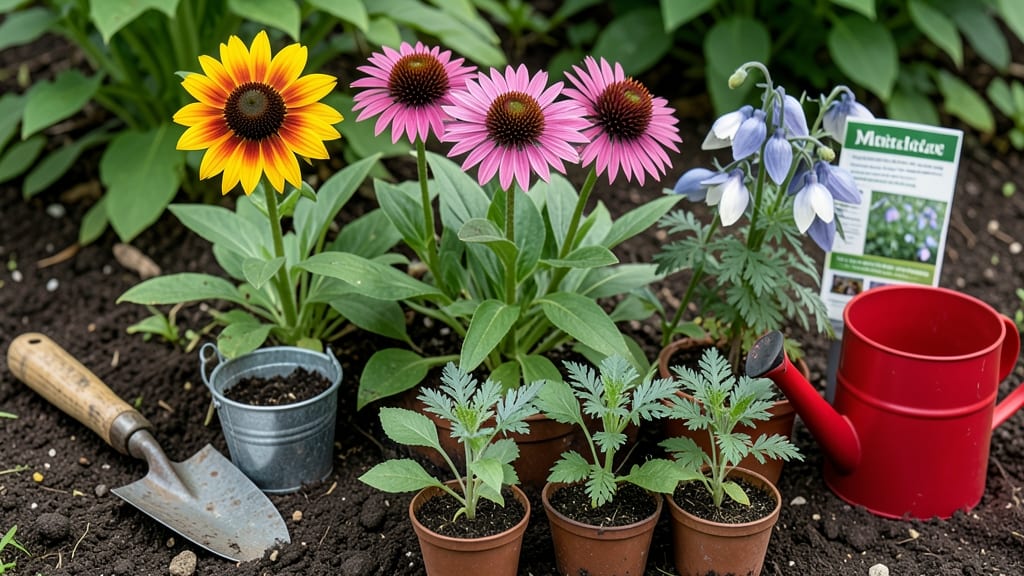
Timing your flower planting in Michigan isn't just about luck—it's about knowing the exact window to avoid bolted blooms or wasted effort. With USDA zones 5b-6b and unpredictable spring weather, getting it wrong can mean the difference between a showstopping garden and a sad, stunted mess.
The secret lies in planting after the last frost (usually mid-April) when soil warms to 60°F, but before summer's heat stresses delicate seedlings.
I’ve spent years perfecting the schedule for 🌸 flowers that thrive in Michigan’s short growing season, and the results speak for themselves: vibrant blooms from spring through fall with minimal fuss.
Whether you’re planting annuals for summer color or perennials that return year after year, the right timing is the key to success. Let’s break down the best months to plant—and why they matter for your garden’s health.
Most gardeners assume "spring planting" means a single window, but Michigan’s climate demands a more strategic approach. Fall planting (4-6 weeks before the first frost) gives perennials a head start, while spring varieties need to wait until soil temperatures are consistent.
We’ll cover the ideal planting calendar, including heat-tolerant picks that won’t bolt in Michigan’s summer heat.
Ready to transform your garden from "meh" to "wow"? By the end of this guide, you’ll know not just when to plant, but how to adjust for Michigan’s quirks—so your flowers bloom bigger, brighter, and longer than ever before.
Michigan’s planting zones & heat-tolerant flower timing by month
Michigan spans USDA Hardiness Zones 4-6, meaning flower planting times vary dramatically from the Upper Peninsula (Zone 4) to southern Michigan (Zone 6). The key to avoiding bolted blooms or frost damage? Plant when soil temps hit 50°F+ and after your region’s last average frost date.
Northern Michigan (Zones 4-5) typically waits until mid-May, while southern regions (Zone 6) can start as early as late April. Fall planting also matters—aim for 4-6 weeks before first frost (usually mid-October in most areas).
Annuals like marigolds and petunias need warm soil, so wait until after Memorial Day in cooler zones. Perennials like coneflowers can handle cooler springs, but bulbs (e.g., tulips) should go in fall for spring blooms.
Heat-tolerant varieties like black-eyed Susans or zinnias thrive in Michigan’s summers, but planting too early risks wilting. Use this month-by-month guide to align your planting with Michigan’s climate quirks.
🌱
| Zone | Plant Type | Best Planting Month | Soil Temp Threshold | Heat Tolerance |
|---|---|---|---|---|
| 4-5 (Upper Peninsula) | Annuals (e.g., marigolds) | Mid-May to June | 55°F+ | Moderate (needs shade in July) |
| 5-6 (Southern MI) | Perennials (e.g., coneflowers) | April-May | 50°F+ | High (drought-tolerant) |
| All Zones | Bulbs (e.g., tulips) | September-October | 60°F+ soil | Low (spring blooms) |
| 6 (Southwest MI) | Heat-lovers (e.g., zinnias) | Late April | 60°F+ | Very High |
| 4-6 (All) | Shade-tolerant (e.g., impatiens) | May-June | 50°F+ | Low (avoid direct sun) |
For annuals, prioritize late spring planting after the last frost. In Zone 6, this could be late April, while Zone 4 gardeners should wait until mid-May. Use row covers to extend your season by 2-3 weeks if frost threatens.
Perennials like black-eyed Susans or bee balm can handle cooler springs, but their first-year growth will be slower. Plant them in early spring (April) for established roots before summer heat arrives.
Bulbs are the exception—they must go in fall (September-October) to naturalize and bloom the following spring. Tulips and daffodils planted in Zone 5 after mid-October risk rotting before winter.
🌿
Michigan’s summer heat (especially in Zone 6) can cause bolting in heat-sensitive flowers like pansies. To prevent this, choose heat-tolerant varieties or provide after
Top 5 flowers that thrive in Michigan’s short growing season (and when to plant them)
Michigan’s short growing season (just 150-180 frost-free days) demands flowers that bloom quickly and handle cool nights. These top 5 varieties are my go-to picks—they’re hardy, low-maintenance, and perfect for Michigan’s USDA Zones 5b-6b.
Plant them at the right time, and you’ll enjoy vibrant blooms from early summer to fall.
Each of these flowers has specific planting windows to maximize blooms. For example, coneflowers and black-eyed Susans can handle late spring plantings (even as late as June), while marigolds and pansies thrive when started 4-6 weeks before the last frost in March or early April.
🌸
For annuals like marigolds, I swear by starting seeds indoors in March (6-8 weeks before the last frost) or buying transplants in May. These heat-loving flowers bolt less in Michigan’s short summer if planted after soil temps hit 60°F. Use a soil thermometer to check—it’s a game-changer!
Pro tip: Pair pansies (plant in April) with coreopsis (plant in May) for a non-stop bloom from spring to frost. Both handle Michigan’s cool nights and humidity better than tropical flowers like impatiens.
✂️