
Flowers
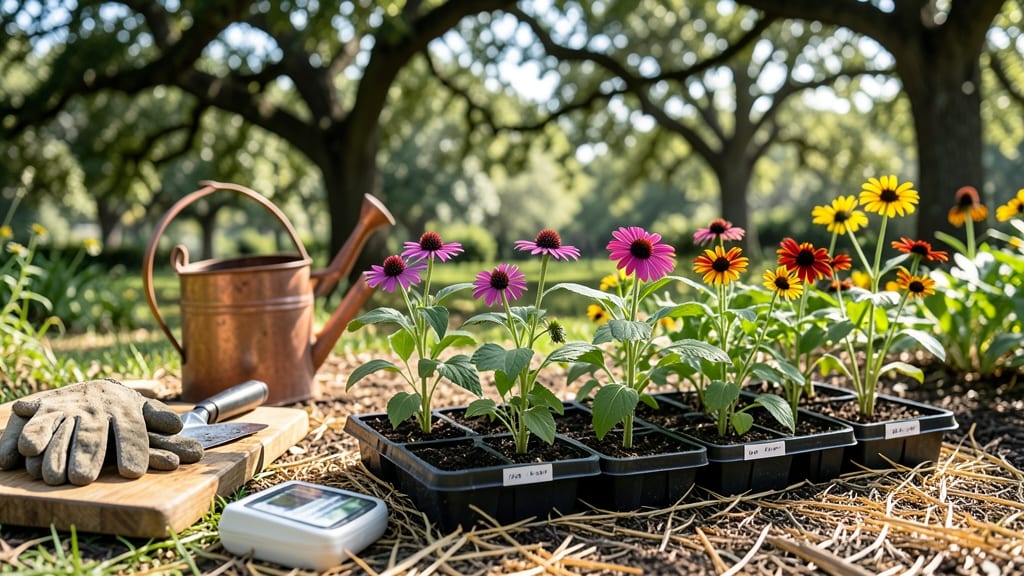
Knowing when is it safe to plant flowers in Missouri can mean the difference between a showstopping garden and a sad, frost-nipped disappointment. Missouri’s 5b-6a zones bring unpredictable swings—one week could feel like spring, the next like winter’s last breath.
But don’t let that scare you off; with the right timing, you can still enjoy vibrant 🌸 blooms from June through August.
Most Missouri gardeners wait until mid-April to early May, after the last frost (usually around April 15), but that’s just the starting line. The 10-day rule is your secret weapon: plant only after 10 consecutive frost-free days to give tender seedlings a fighting chance.
Skipping this step could leave your hard work wilted overnight—trust me, I’ve seen it happen.
This guide breaks down exactly when to plant by region, from St. Louis’s urban microclimates to Kansas City’s cooler pockets. We’ll also cover frost-resistant flowers that can handle early starts and backup plans for those late-season surprises. Ready to turn your Missouri garden into a blooming masterpiece? Let’s get started.
Whether you’re a seasoned gardener or a first-timer, timing is everything. By the end, you’ll know not just when to plant, but how to adjust for Missouri’s quirks—so your flowers thrive, not just survive. Let’s make this your best planting season yet.
Missouri last frost dates by region: exact timelines for flower planting
Missouri’s diverse climate means last frost dates vary dramatically—from late March in southern regions to mid-May in northern areas. These differences determine whether your pansies or petunias thrive or wither.
The Missouri Botanical Garden tracks historical frost data, showing that northern Missouri (USDA Zone 5a) averages its last frost on April 25, while southern Missouri (Zone 6b) sees frost-free conditions by March 20.
Always use the 10-day rule: Add 10 days to your last frost date to account for late cold snaps.
For St. Louis (Zone 6a), the safest planting window starts after April 15, while Kansas City (Zone 5b) gardeners should wait until May 1. Springfield (Zone 6a) aligns with St. Louis, but Columbia (Zone 6b) can plant as early as March 25.
Check your local USDA Plant Hardiness Zone for precision—Missouri spans Zones 5a to 7a, creating a 3-week planting window difference across the state.
| Region | USDA Zone | Avg. Last Frost | Safe Planting Window |
|---|---|---|---|
| Northern MO (e.g., St. Joseph) | 5a | April 25 | May 5 |
| Kansas City | 5b | April 15 | April 25 |
| St. Louis | 6a | April 1 | April 10 |
| Springfield | 6a | March 25 | April 5 |
| Southern MO (e.g., Cape Girardeau) | 6b | March 20 | March 30 |
Missouri’s microclimates add complexity—urban areas like Columbia often warm up faster than rural zones due to heat islands. If you’re unsure, use frost cloth or plant cold-hardy flowers like pansies or snapdragons 4-6 weeks before your last frost date.
For tender annuals (e.g., geraniums), wait until soil temperatures hit 50°F—use a soil thermometer for accuracy.
Missouri’s first frost typically arrives between October 15 (southern regions) and November 1 (northern areas). This means your late-summer flowers (e.g., zinnias) have just 120-150 frost-free days to thrive.
Plan accordingly—perennials like coneflowers establish roots early, while annuals need quick growth. Always monitor the National Weather Service for 10-day forecasts before planting.
Pro tip: Hardened-off seedlings (acclimated to outdoor conditions) survive 28°F temperatures, but tender flowers (e.g., marigolds) need 55°F soil. Test your garden’s readiness by placing a frost-sensitive plant (like basil) outside at night—if it survives, your flowers are safe.
For high-altitude areas (e.g., Ozarks), add 2-3 weeks to frost dates.
Missouri’s unpredictable spring weather can throw off even the best-laid plans. One year, St. Louis saw frost in May; the next, Kansas City had 80°F days in April.
Use row covers for early plantings and mulch to stabilize soil temperatures. Perennials like black-eyed Susans handle fluctuations better than annuals, but all benefit from well-draining soil to prevent frost damage.
If you miss the spring planting window, don’t despair—late summer (after August 15) offers a second chance for heat-t
How to adjust planting dates for Missouri’s unpredictable weather patterns
Missouri’s weather can be as unpredictable as a spring shower—one day warm and sunny, the next a surprise frost. If you’ve ever planted flowers too early only to watch them wilt overnight, you know how frustrating this can be.
The key is flexibility: adjusting your planting dates based on real-time weather forecasts and historical frost data for your specific area.
Instead of relying solely on average last frost dates, I recommend using the 10-day rule. This means waiting until 10 days after your region’s average last frost date before planting heat-loving flowers like marigolds or petunias.
For cold-hardy varieties like pansies or snapdragons, you can plant them 2-4 weeks earlier since they tolerate cooler temperatures.
Here’s the catch: Missouri’s microclimates vary drastically. A St. Louis garden might see its last frost by April 15, while Springfield’s could linger until April 25. Always check local weather updates from sources like the National Weather Service or your county extension office for real-time adjustments.
5 Key Adjustments for Missouri’s Unpredictable Weather
- 🌡️ Monitor soil temperature: Use a soil thermometer—plant when it hits 50°F+ for most flowers.
- 🌱 Start with cold-hardy flowers: Pansies, violas, and sweet alyssum thrive in 35-40°F soil.
- 🛡️ Use row covers: Protect tender seedlings with lightweight fabric until May 1 in high-risk zones.
- 📅 Have backup dates: Note your second planting window (usually June 1-15) for late bloomers.
- ☀️ Watch for heatwaves: Delay planting until after May 15 in southern Missouri to avoid wilting.
If a late frost threatens, don’t panic. Many flowers, like calendulas or nasturtiums, bounce back from light frost damage. For extra protection, I’ve found that mulching with straw adds an extra 2-4°F of warmth to the soil.
This simple trick can buy you an extra week of planting time in cooler springs.
For high-risk areas like the Ozarks, consider planting fast-growing annuals like zinnias or cosmos in late May or early June. These varieties mature quickly and give you a second chance at summer blooms.
The trade-off? You’ll miss out on early spring color, but the payoff is a longer flowering season overall.
Pro tip: Keep a gardening journal to track your local frost dates and flower performance. Over time, you’ll spot patterns—like whether your yard tends to run warmer or cooler than the average—and adjust your planting schedule accordingly.
Even a 5-day difference can mean the difference between thriving blooms and a sad, frost-nipped garden.