
Plants
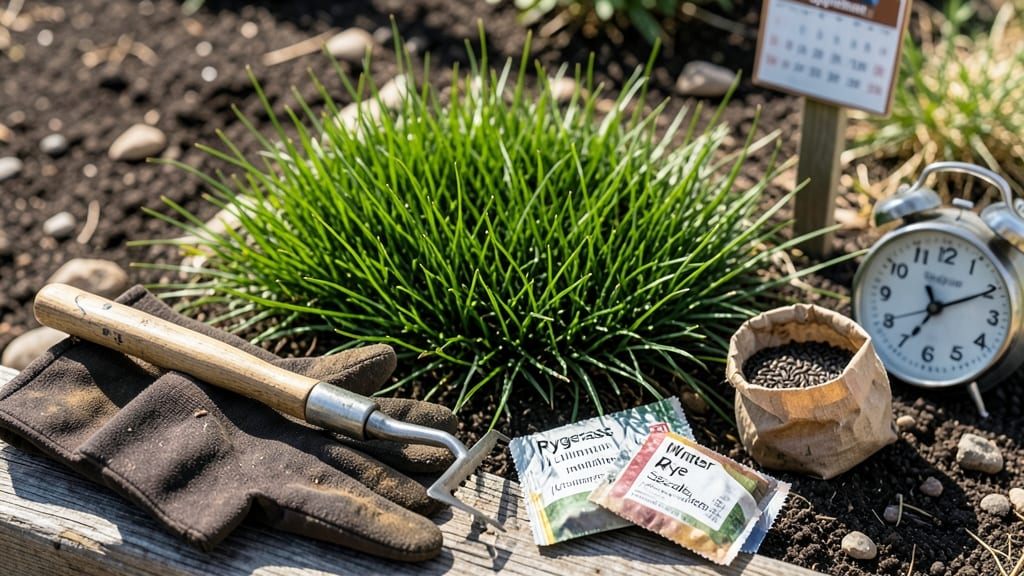
Optimal planting months for winter grass in Arizona’s climate zones
Arizona’s desert climate creates distinct microclimates where winter grass thrives in different windows. The ideal planting months shift from Phoenix’s scorching lowlands to Flagstaff’s cooler highlands. Understanding these zones ensures your grass establishes roots before summer heat arrives.
Most cool-season grasses like ryegrass and fescue need 60-75°F soil temps to germinate. In Phoenix (Zone 10a), aim for late August to early September—just as monsoon rains taper off. Meanwhile, Tucson (Zone 9a) can start slightly earlier in mid-August due to its higher elevation.
For Flagstaff (Zone 7a), the window stretches from mid-September to October. The cooler temps here delay planting but reduce heat stress risks. Always check soil moisture—Arizona’s low humidity means seeds dry out fast if planted too early.
| Region | Planting Window | Soil Temp Goal | Key Prep Step |
|---|---|---|---|
| Phoenix (Zone 10a) | Late August–Early September | 65–70°F | Irrigate 2 days before planting |
| Tucson (Zone 9a) | Mid-August–Late September | 60–68°F | Test soil pH (6.0–7.0) |
| Flagstaff (Zone 7a) | Mid-September–October | 55–65°F | Add compost for moisture retention |
If you miss the primary window, some drought-resistant varieties like Bermuda grass tolerate late September plantings in Phoenix. However, roots may not fully establish before summer’s 110°F+ heat. Always mulch lightly after planting to lock in moisture.
Early fall is critical because cool nights slow evaporation while warm days keep soil temps ideal. Skip planting in November—cooler temps slow germination, and winter rains can wash out seeds. Use a soil thermometer ($10 at garden centers) to confirm temps before planting.
For container growing, extend your window by 2–3 weeks earlier—pots warm faster. Place containers in shaded areas during 10 AM–4 PM to prevent heat shock. Water containers daily until germination (7–14 days) to prevent drying.
Avoid planting after Labor Day in low deserts—September heat waves can bake seeds before they sprout. Instead, opt for pre-germinated seed blends or sod if you’re late. These options establish faster and handle dry conditions better than seeds.
Pro tip: Mark your calendar for the new moon in September—traditionally the best time for seed planting in dry climates. Pair this with evening watering (after 6 PM) to reduce evaporation and improve germination rates by 30%.
Remember, Arizona’s monsoon season (July–September) brings unpredictable rains. Wait until 2 weeks after the last heavy storm to plant—soggy soil suffocates seeds. Use a rain gauge to track moisture if you’re unsure.
Optimal planting months for winter grass in Arizona’s climate zones
Arizona’s diverse microclimates create unique windows for planting winter grass. In Phoenix and Tucson, aim for late August to mid-October when daytime temps drop below 90°F. Meanwhile, Flagstaff’s cooler high desert allows planting as late as November due to its 60-70°F average temps.
Your local frost dates matter less than soil temperature. Test your soil—ideal planting occurs when it’s 60-70°F at 4-inch depth. In low desert areas, this typically aligns with September, while higher elevations may wait until October.
| Region | Best Planting Window | Soil Temp | Key Prep Step |
|---|---|---|---|
| Phoenix/Tucson | Late August - Mid-October | 60-70°F | Test soil moisture |
| Prescott | September - Early November | 55-65°F | Add compost |
| Flagstaff | October - November | 50-60°F | Aerate compacted soil |
For cool-season grasses like ryegrass or fescue, prioritize September planting in low desert areas. These grasses need 6-8 weeks to establish roots before 100°F+ temps arrive. In high desert, October planting works better due to cooler nights.
Never plant after November 15th in Phoenix—roots won’t establish before summer heat returns. Use a soil thermometer ($10 at garden centers) to confirm readiness. Morning soil temps between 65-75°F signal perfect planting conditions.
Pro tip: Seed selection affects timing. Annual ryegrass germinates faster (7-14 days) than tall fescue (14-21 days). Choose annual varieties if planting near November’s end—they’ll establish quicker before winter dormancy.
After planting, water deeply 2x weekly for 4-6 weeks to encourage root growth. Avoid overwatering—Arizona’s clay-heavy soils can suffocate roots if soggy. Mulch with straw to retain moisture without compacting soil.