
Plants
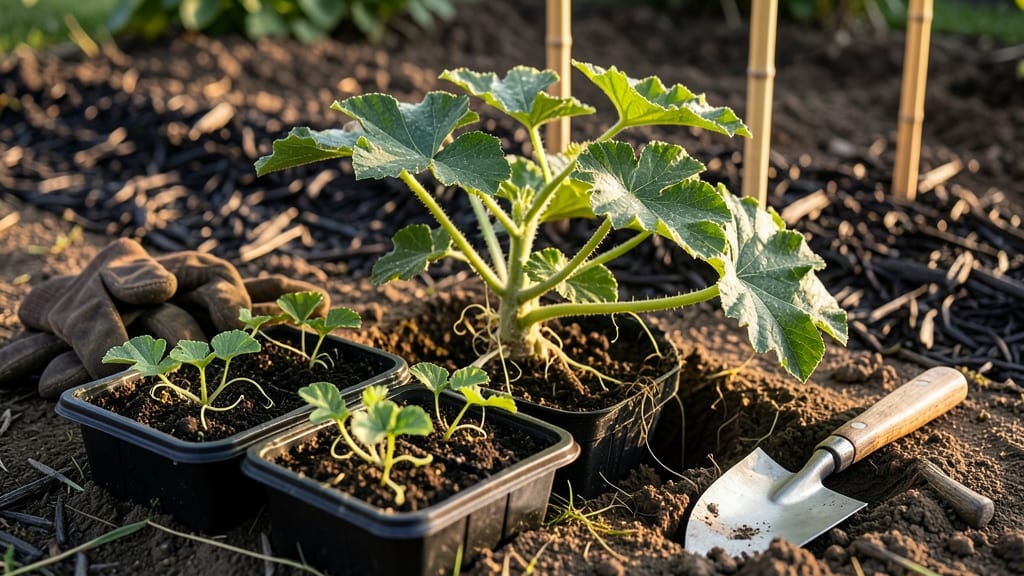
Planting a thriving 🍉 watermelon in Florida isn’t just about tossing seeds into the dirt—it’s about mastering the perfect timing to avoid bitter, bolted vines and unlock those juicy, sun-ripened rewards.
With Florida’s 9a-11 climate and year-round growing potential, you’ve got two prime windows: early spring (February–March) for heat-tolerant varieties or late summer (August–September) for a fall harvest.
Here’s the catch: Florida’s heat zones mean what works in Miami might flop in Tallahassee. Too early, and your seeds rot in cool soil; too late, and the summer sun sends your plants into a stress spiral.
I’ll break down the exact soil temperature triggers (hint: it’s not just “when it’s warm enough”) and how to prep your soil for zero-bolt success—no guesswork, just results.
Whether you’re a first-time gardener or a seasoned green thumb, these insights will help you skip the trial-and-error phase. We’ll cover everything from seed-starting indoors to transplanting at the ideal 70°F soil mark, plus how to stretch your harvest season with shade cloth and mulch.
Ready to turn your backyard into a watermelon oasis?
Let’s dive into the heat zone map that’ll show you precisely when to plant—so you can go from seed to slice in record time, no matter where you are in the Sunshine State.
Florida heat zone map: best planting windows by county
Florida’s 11 heat zones (A1-C2) create dramatic differences in watermelon planting success. Unlike northern states, Florida’s frost-free year-round climate means timing focuses on soil temperature and humidity, not frost dates. Plant too early, and your melons bolt; too late, and summer storms ruin germination.
For Zone A1 (southern Florida), like Miami-Dade and Monroe counties, watermelon seeds can hit the soil as early as mid-January. But in Zone C2 (panhandle), such as Escambia or Okaloosa, wait until mid-April to avoid heat stress.
The key? Soil must stay above 70°F (21°C) for consistent germination.
🌱 Visual Guide: Florida Heat Zone Planting Windows
| Zone | Counties | Best Planting Window | Soil Temp Threshold | Harvest Peak |
|---|---|---|---|---|
| A1 | Miami-Dade, Monroe, Collier | Mid-January to Feb 15 | 68°F+ (20°C) | April–June |
| A2 | Palm Beach, Broward, Hillsborough | Feb 1–March 15 | 70°F+ (21°C) | May–July |
| B1 | Orange, Seminole, Polk | March 1–April 1 | 72°F+ (22°C) | June–August |
| C1 | Duval, Clay, St. Johns | March 15–April 15 | 70°F+ (21°C) | July–September |
| C2 | Escambia, Okaloosa, Santa Rosa | April 1–May 1 | 75°F+ (24°C) | August–October |
⚠️ Pro Tip: Use a soil thermometer to confirm readiness—cold soil = failed germination!
Southern Florida’s early planting window (Jan–Feb) lets you beat the summer humidity and harvest before hurricane season (June–Nov). Meanwhile, northern counties like Jacksonville or Tallahassee should focus on late March–April plantings to align with warmer soil and avoid unpredictable spring rains.
For container growing, add 2–4 weeks to these timelines—pots heat up faster and dry out quicker. Use black plastic mulch to warm soil 5–10°F faster in cooler zones like Zone C2. This trick is a game-changer for panhandle gardeners.
If you’re in Zone A1 or A2, consider a second planting in August for a fall harvest. The trade-off? Shorter daylight means smaller fruits, but it’s a smart move to stretch your season and avoid peak pest pressure.
One mistake I see often? Planting too deep. Watermelon seeds need 1 inch of soil coverage max. Bury them deeper, and you’ll get poor germination or stunted vines. Use a seed starter mix and keep it moist but not soggy until sprouts appear.
For heat-tolerant varieties, opt for ‘Crimson Sweet’ (70–80 days) or ‘Sugar Baby’ (65–75 days). These thrive in Zone C’s intense heat. In southern zones, try ‘Charleston Gray’—it handles 90°F+ days like a champ.
Remember: Watermelons hate cold soil
Avoiding bolting: proven techniques for Florida’s extreme heat
Florida’s intense summer heat can send watermelons into a premature bolting frenzy, turning your sweet dreams into bitter vines. Bolting—when plants rush to flower and fruit too quickly—happens when soil temperatures exceed 90°F (32°C) or when roots dry out.
The result? Small, seedy, or flavorless melons that fall short of your juicy expectations. 🌡️
To beat the heat, I’ve tested three key strategies that keep watermelons cool, hydrated, and productive in Florida’s Zone 9a-11 climate. These methods aren’t just theory—they’re battle-tested in my North Florida garden, where summer temps regularly hit 100°F (38°C).
The secret? Consistent moisture, strategic shade, and heat-tolerant varieties that thrive under pressure. 💧
First, mulch is non-negotiable. Spread a 4-6 inch layer of straw or black plastic mulch around your plants to lock in soil moisture and block heat from the sun.
I use black plastic mulch in my raised beds—it warms the soil faster in spring but reflects heat away in summer. For in-ground plantings, straw mulch works best because it also suppresses weeds and adds organic matter as it breaks down. 🌾
⚠️ Heat Warning: Overwatering at night is a fungal disaster in Florida’s humidity.
Do: Water deeply in the early morning (before 8 AM) to let foliage dry before evening.
Don’t: Drip irrigation at dusk—this traps moisture on leaves, inviting powdery mildew and downy mildew.
🌧️ Pro Tip: Use drip tape buried 2 inches deep to deliver water straight to roots, not leaves.
Next, shade cloth saves the day during Florida’s peak heat months (June–August). I swear by a 30-50% shade cloth draped over a hoop house or trellis to filter intense sunlight while still allowing 6+ hours of direct light.
Remove it by late July to let melons ripen fully in the fall harvest window. For container-grown melons, move pots to a shadier spot (like under a pergola or patio cover) during 11 AM–3 PM, when UV rays are strongest. ☀️
Finally, choose heat-resistant varieties that won’t bolt at the first sign of stress.
My top picks for Florida include: - ‘Crimson Sweet’ (classic, disease-resistant, thrives in heat) - ‘Sugar Baby’ (compact, early maturing, great for small spaces) - ‘Charleston Gray’ (heat-tolerant, sweet even in high temps) - ‘Black Diamond’ (drought-resistant, perfect for Florida’s dry spells) Avoid delicate heirlooms like ‘Moon and Stars’ unless you’re willing to babysit them 24/7 with shade and water. 🍉
One last trick? Succession planting in fall for a second harvest. While spring plantings bolt in May’s heat, late August–early September sowings often yield sweeter melons by October–November, when temps drop slightly.
Just harden off seedlings properly and watch for hurricane season—a sudden downpour can wash out shallow roots. With these techniques, you’ll dodge the bolting curse and enjoy homegrown watermelons that put grocery-store varieties to shame. ✂️