
Plants
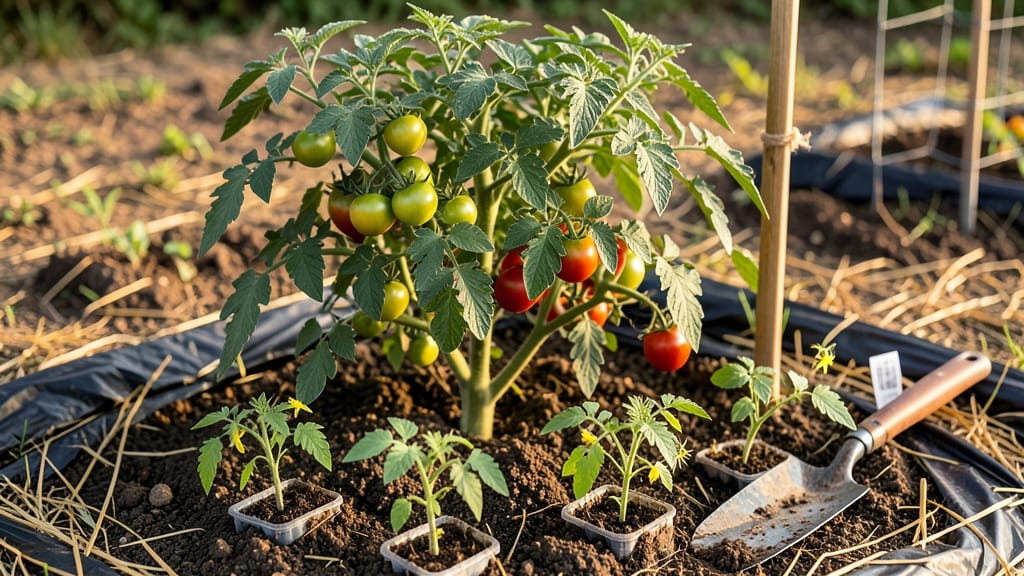
Planting tomatoes in Missouri isn’t just about grabbing seeds and sticking them in the dirt—it’s about timing them perfectly to beat frost, heat waves, and soil that’s still too cold. Missouri’s last frost date can swing wildly from April 15 in northern zones like St. Louis to early May in Kansas City, and getting it wrong means either sad seedlings or a missed harvest.
The good news? With the right schedule, you can enjoy 🍅 tomatoes from June through October, even in our unpredictable climate.
Whether you’re starting seeds indoors or transplanting seedlings, knowing when to plant is the difference between a thriving garden and a gamble. I’ll break down the exact windows for your region—plus soil prep tips to ensure your tomatoes take off the moment they hit the ground.
No more guessing: just a foolproof plan tailored to Missouri’s 5b-6b zones.
Missouri gardeners also face unique challenges, like clay-heavy soil in some areas and sudden heat spikes that can stress young plants. The solution? A mix of early starts, heat-tolerant varieties, and smart soil prep.
By the end of this guide, you’ll know exactly when to plant—whether you’re in urban St. Louis or rural farmland—and how to give your tomatoes the best possible start.
Ready to grow bigger, juicier tomatoes this season? Let’s dive into the planting schedule, variety picks, and soil secrets that’ll have your garden flourishing—no matter what Missouri throws your way. Your first harvest is just a few weeks away.
Missouri last-frost dates by region: when to plant tomatoes for maximum yield
Missouri’s diverse climate means last-frost dates vary by 1–2 weeks from north to south. In northern Missouri (USDA Zone 5b), like St. Joseph, the average last frost is April 15, while southern regions (Zone 7a), such as Poplar Bluff, typically see frost-free conditions by March 25.
These dates determine whether you’ll plant transplants or direct-sow seeds.
For transplants, wait until 2 weeks after the last frost date to ensure roots establish before summer heat arrives. Direct-sowing seeds need soil temps of 60°F+, which usually aligns with mid-May in cooler northern areas.
Check Missouri’s historical frost data from the Missouri Botanical Garden for your specific county.
Here’s how to use these dates: Northern MO (Zones 5a–5b) should plant transplants by May 1 and direct-sow seeds by May 15. Central MO (Zone 6a) can start transplants by April 20 and direct-sow by May 1. Southern MO (Zone 7a) enjoys a 4–6 week head start, allowing early varieties to ripen before summer heat peaks.
🌱
| Region | USDA Zone | Last Frost Date | Transplant Window | Direct-Sow Window |
|---|---|---|---|---|
| Northern MO (St. Joseph, Kirksville) | 5a–5b | April 15 | May 1–15 | May 15–30 |
| Central MO (Columbia, Jefferson City) | 6a | April 1 | April 15–May 1 | April 20–May 15 |
| Southern MO (Poplar Bluff, Cape Girardeau) | 7a | March 25 | March 30–April 15 | April 1–April 15 |
Data sourced from Missouri Botanical Garden and MU Extension
If you’re starting seeds indoors, begin 6–8 weeks before your region’s last frost date. For example, northern Missouri gardeners should sow seeds by February 25, while southern Missouri can start as early as February 1.
Use grow lights to supplement 14–16 hours of light daily until seedlings are ready for transplanting.
For urban gardeners in cities like Kansas City or St. Louis, microclimates can shift frost dates by 3–5 days. Plant near south-facing walls or use row covers to extend the season by 2–3 weeks in cooler pockets.
Always monitor local weather forecasts—a late frost in early May can still damage young plants.
Missouri’s summer heat (often exceeding 90°F) demands heat-tolerant varieties and shade cloth for late-season plants. In Zone 7a, start late-maturing varieties (like ‘Solar Fire’) by March 15 to avoid bolting before harvest. Meanwhile, northern zones should prioritize early producers (e.g., ‘Stupice’) planted by April 15.
Pro tip: Use black plastic mulch to warm soil 5–10°F faster, letting you plant 1–2 weeks earlier in spring. This is especially useful in clay-heavy soils common in northern Missouri, where cold soil delays planting.
🌡️
Tomato varieties best suited for Missouri’s climate: heat tolerance & maturity timing
Choosing the right tomato varieties for Missouri means balancing early blooming, heat tolerance, and disease resistance.
Our state’s 5b–7a zones experience everything from late frosts to 90°F+ summers, so picking varieties that thrive in these conditions is key. Early-season types like ‘Stupice’ (60 days) are perfect for northern Missouri, while heat-loving varieties such as ‘Solar Fire’ (85 days) shine in southern regions.
Missouri’s humid summers also demand disease-resistant varieties to fight blight and fungus. Look for labels like ‘VFN’ (Virus, Fusarium, Nematode-resistant) or ‘VF’ (Virus, Fusarium-resistant). These traits are especially critical in Zone 6a and below, where moisture and heat create ideal conditions for early blight.
Here’s how to match varieties to your region’s planting window and harvest goals:
| Variety | Days to Maturity | Best Planting Window | Heat Tolerance | Disease Resistance | Ideal Region |
|---|---|---|---|---|---|
| ‘Stupice’ | 60–65 days | April 15–May 1 | Moderate | None | Northern MO (Zones 5a–5b) |
| ‘Early Girl’ | 50–60 days | April 20–May 10 | Moderate | VF | Central MO (Zone 6a) |
| ‘Better Boy’ | td style="padding: 10px; border-bottom: 1px solid #3f683f;">75–80 daysApril 1–April 20 | High | VFN | Southern MO (Zone 7a) | |
| ‘Solar Fire’ | 85–90 days | March 15–April 1 | Very High | VF | Southern MO (Zone 7a) |
| ‘Mountain Merit’ | 70–75 days | April 10–May 1 | Moderate | VFN | All Regions |
Varieties selected for Missouri’s climate and disease pressure
For northern Missouri gardeners, prioritize early-maturing varieties like ‘Stupice’ or ‘Early Girl’ to avoid early blight before harvest. Plant these by April 15 to ensure fruit ripens before summer heat peaks. In central Missouri (Zone 6a